⚡ Quick Culinary Digest & Sacred OverviewVerified by Ages & Spices Sous-Chef Council
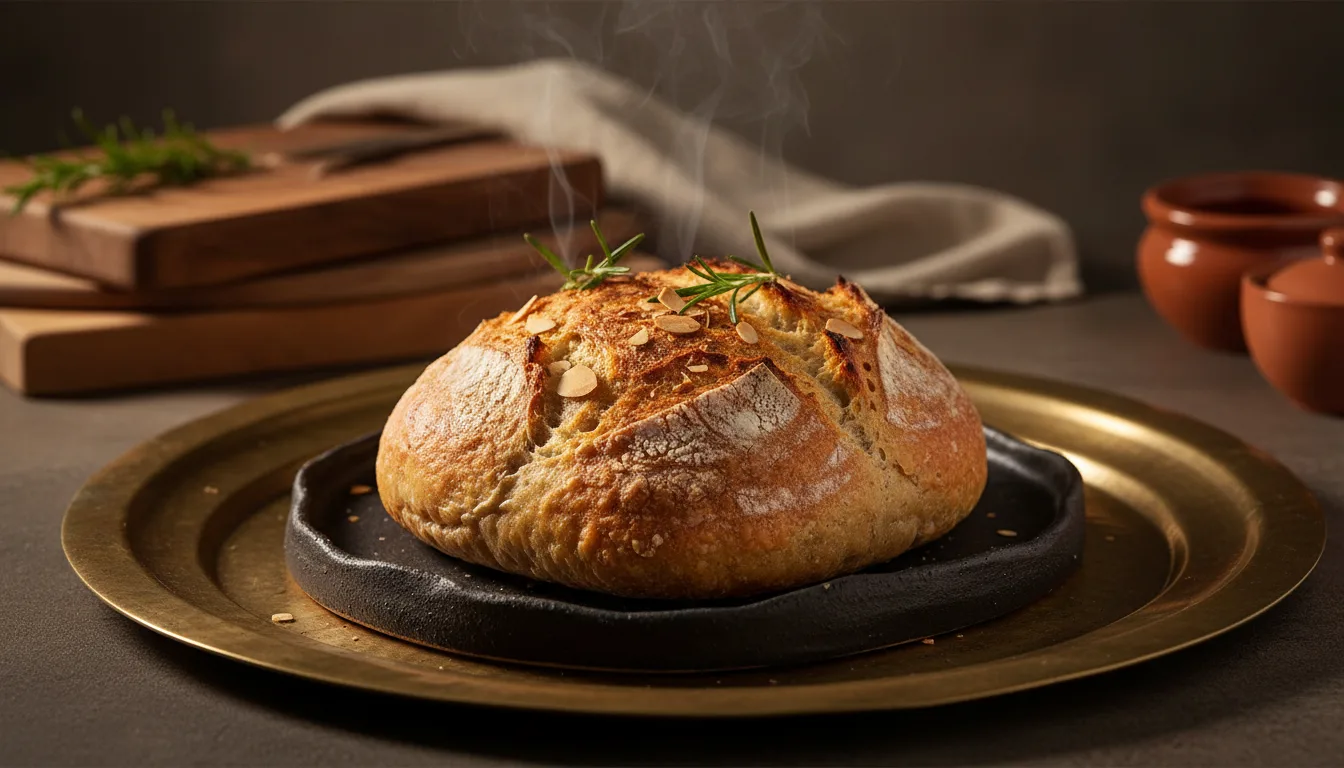
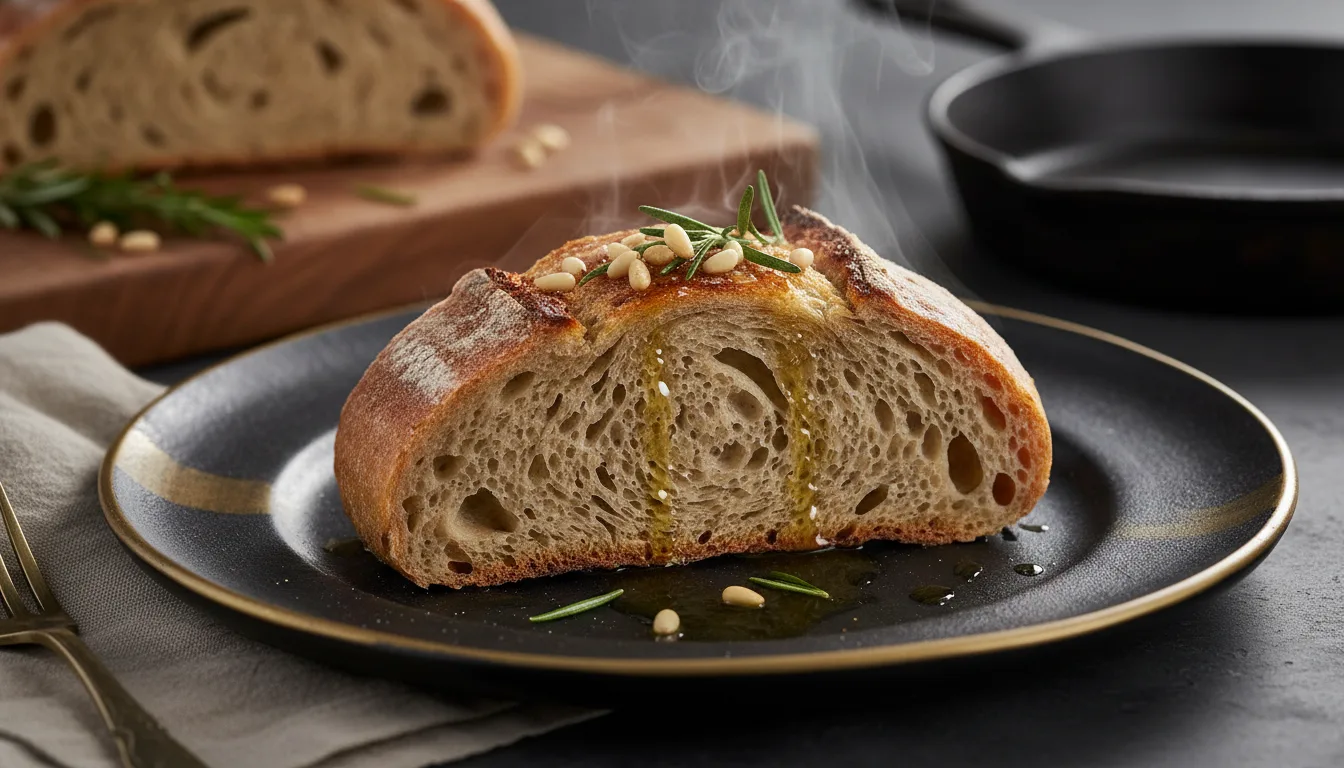
Beginner artisan bread requires only 4 ingredients (flour, water, salt, yeast) and zero kneading by utilizing high-hydration dough (72-75%) that develops gluten passively overnight. Baking inside a preheated, covered Dutch oven at 230°C (450°F) traps natural dough steam, ensuring a crackling, blistered artisan crust and an open, airy crumb.
The Alchemy of Passive Fermentation: Why Time Kneads Better Than Hands
For centuries, commercial bakeries convinced home cooks that bread required rigorous physical kneading to build gluten. The truth of modern food biophysics is far simpler: when flour and water sit together in an autolyse rest (hydration above 70%), endogenous protease enzymes naturally break down complex proteins while gluten chains align themselves through pure molecular contact.
When this high-hydration dough is dropped into a preheated 230°C (450°F) cast-iron Dutch oven, the heavy lid seals in evaporating dough moisture. This creates a high-pressure steam chamber that delays crust setting, allowing maximum oven-spring expansion and forming thousands of micro-blisters on the crackling crust.
High-Density Reference
The Festive Culinary Matrix
Preparation timeline, shelf life, traditional cooking medium, and smart AI rescue guidance.
2 days at room temp; reheat in a dry skillet for crisp bottom
High-protein flour, warm water, extra virgin olive oil, fresh rosemary, flaky sea salt
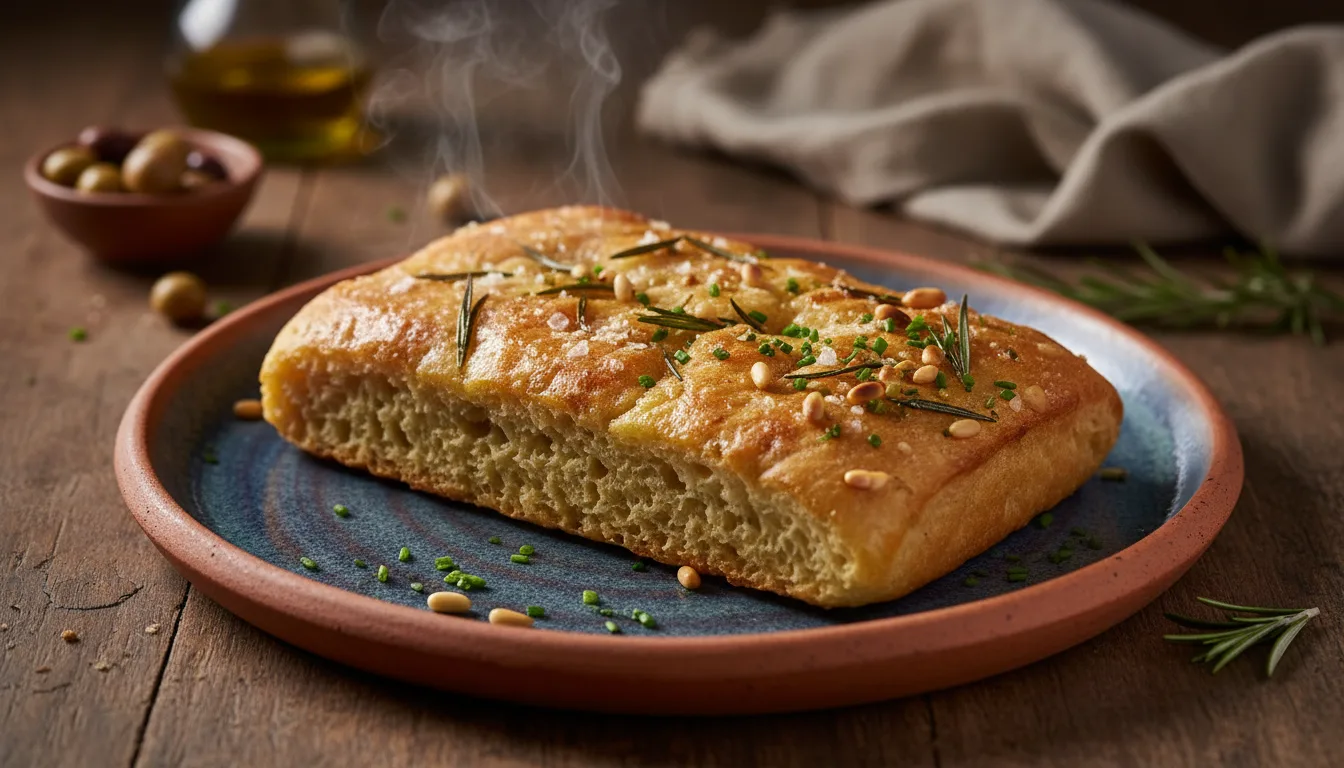
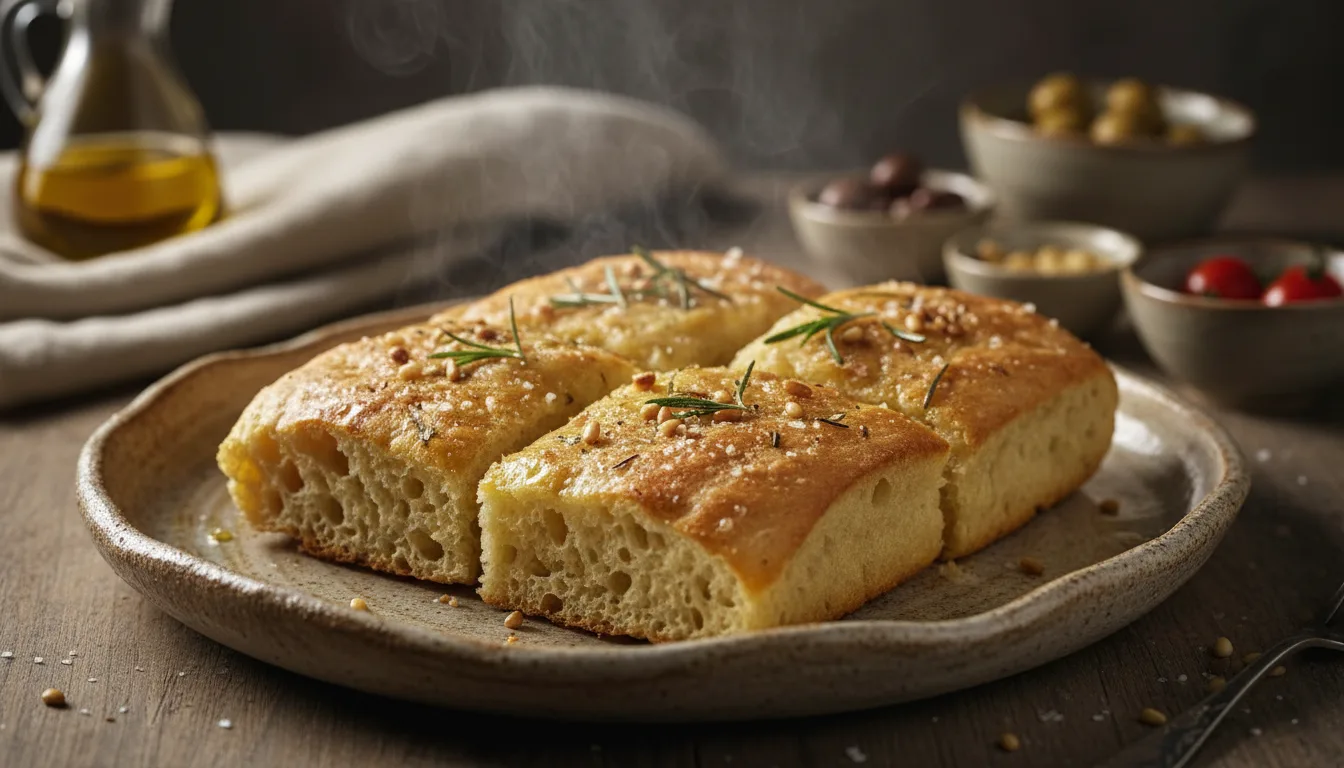
Pour olive oil generously over the dough before dimpling with wet fingertips; the oil pools inside the dimples, creating signature fried crust pockets.
24 hours; perfect for same-day dinner table slicing
All-purpose flour, yeast, sea salt, generous extra virgin olive oil
Bake on the bottom rack of your oven so the underside fries in the olive oil against the hot metal pan.
Powered by Ages & Spices Culinary Intelligence
AI Problem Solvers for Festive Cooking
Don’t let broken dough, crystallized syrup, or tricky party guest scaling ruin your festive celebrations. Our built-in AI culinary specialists solve disasters in real time.
🥖
Dr. Kitchen SOS
Dr. Kitchen: Pale Crust & Gummy Bread Crumb Corrector
Diagnoses flat oven spring, gummy bread crumbs, and leathery crusts.
Common Question:
“I cut into my artisan bread loaf and the inside is gummy and wet. Did I underbake it?”
AI Solution:
You sliced it while it was still hot! Bread continues cooking as it cools; cutting into hot bread releases trapped steam, collapsing the starch gelatin matrix into glue. Always let bread cool on a bare wire rack for at least 1 hour before making the first cut.
✨ Built into every recipe page
Artisan Baking Skills Unlocked
No-Knead Dutch Oven Hydration
High-Oil Focaccia Dimpling
Zero-Waste Discard Crackers
Autolyse Fermentation
The Dutch Oven Champions: Crackling Crusts & Open Crumbs
Four ingredients, passive fermentation, and cast-iron steam mastery.
Essential naivedyam rules, preparation timing, and sacred techniques answered.
Why must I bake bread inside a Dutch oven?+
Commercial bakery ovens have built-in steam injectors. A Dutch oven mimics this by trapping the water evaporating from your dough in an enclosed cast-iron capsule. Steam keeps the dough exterior flexible, allowing the loaf to expand fully before the golden crust hardens.
Can I make artisan bread without sourdough starter?+
Absolutely! Our 4-Ingredient No-Knead Boule uses standard commercial dry yeast. By allowing the dough to ferment slowly for 12 to 18 hours at cool room temperature, commercial yeast produces the exact same aromatic lactic acids and airy bubbles as sourdough.
Ages & Spices Royal Culinary Archive
Scan to access interactive AI Sous-Chef portion scaling, real-time Kitchen SOS emergency triage, and culinary timers on agesandspices.com/collections/beginner-artisan-breads