The Sacred Kitchen: The Living Flavors of Día de los Muertos
Celebrated annually on November 1 and 2 across Mexico and the global diaspora (with November 1 honoring deceased children as Día de los Inocentes / Ángelitos, and November 2 honoring adults as Día de los Fieles Difuntos), Día de los Muertos is recognized by UNESCO as Intangible Cultural Heritage of Humanity. Far from being a somber occasion or Mexican Halloween, it is an ancestral celebration of joyous remembrance, spiritual reunion, and profound love that bridges the realm of the living and the dead.
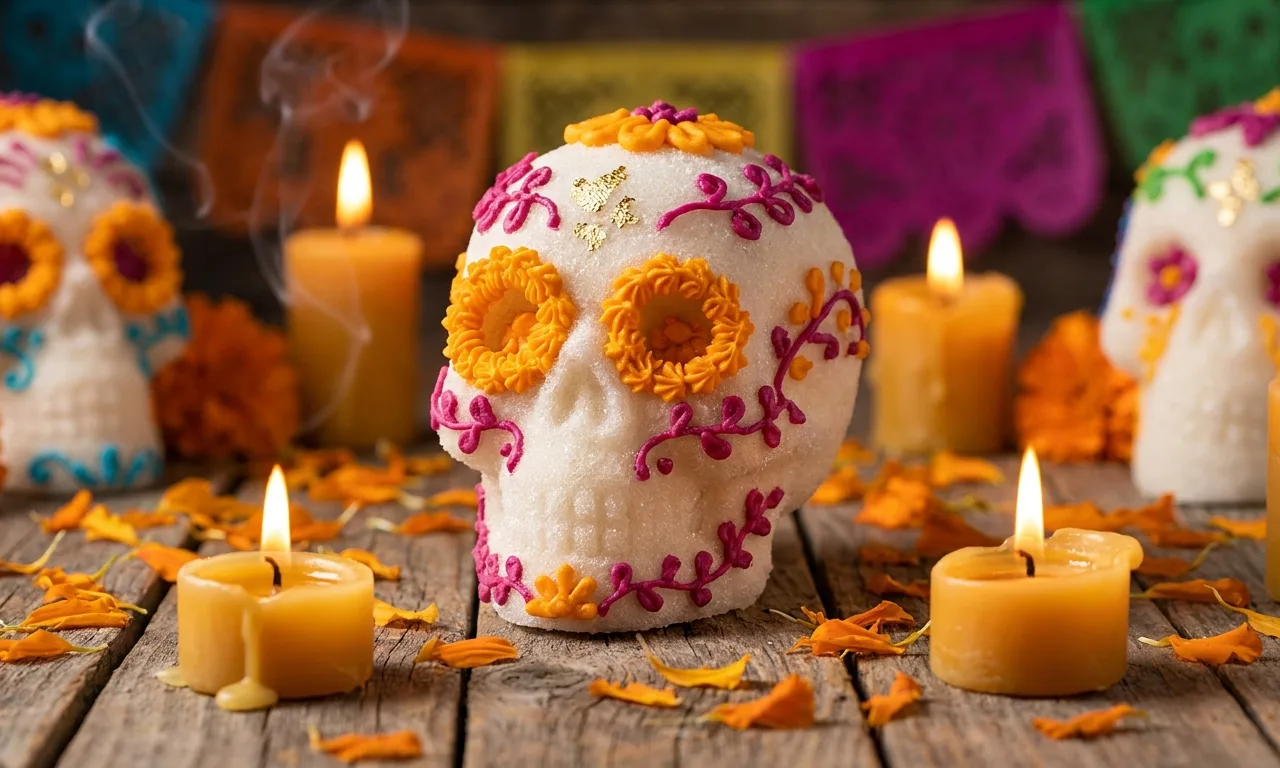
At the core of the observance is the ofrenda (home altar), where food serves as the vital sensory compass guiding returning souls. Spirits are believed to cross the celestial threshold drawn by the fragrant plumes of burning copal incense, the vivid orange color and scent of cempasúchil marigolds, and the comforting aromas of dishes prepared with reverence by their living relatives. Essential altar elements include pure water to quench the soul’s long journey, salt for purification, and the departed’s favorite lifetime foods.
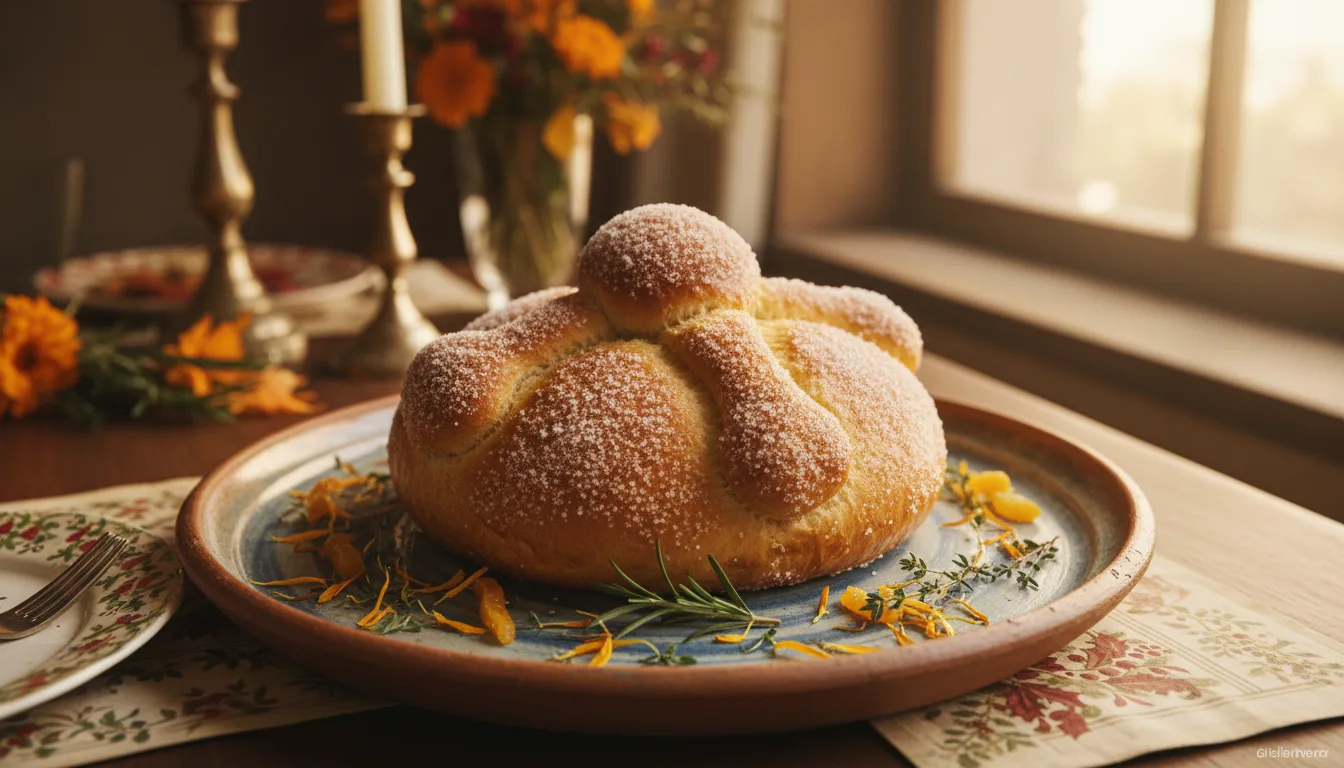
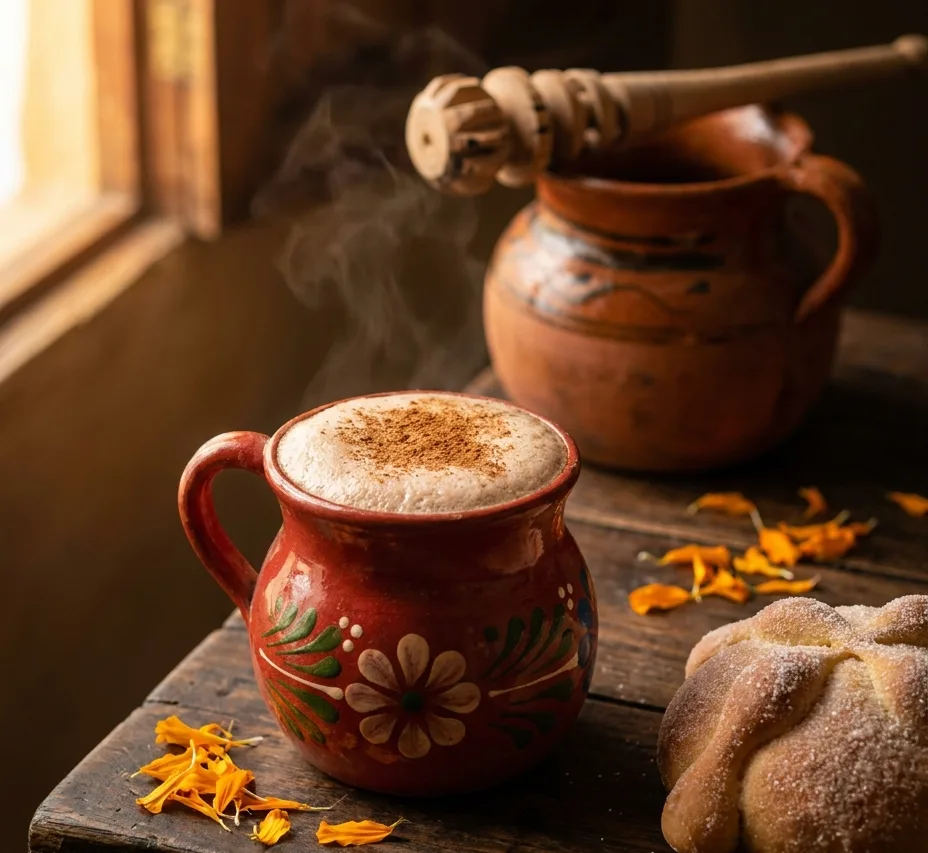
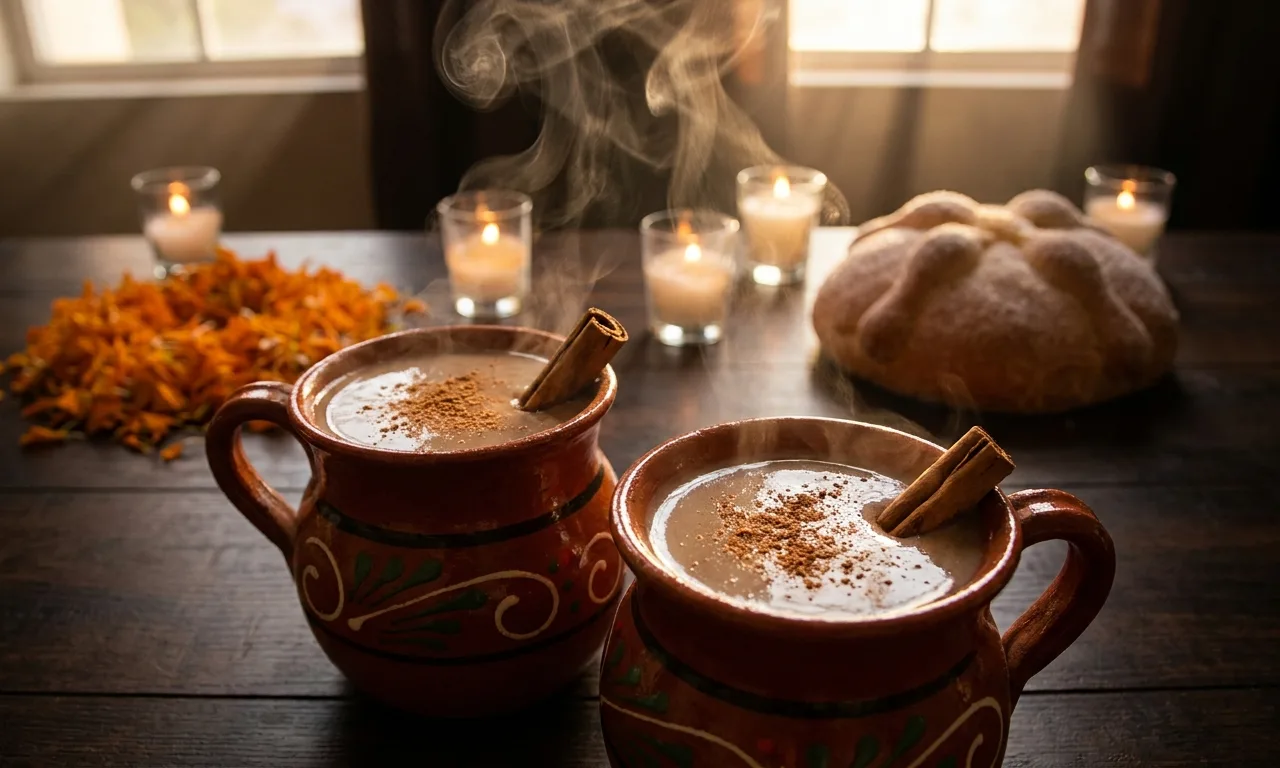
The undisputed culinary crown of the festival is Pan de Muerto—an enriched, brioche-like golden sweet bread perfumed with orange blossom water (agua de azahar) and aniseed. The loaf is adorned with baked dough representations of crossed human bones (canillas) pointing in the universe’s four cardinal directions, topped with a round dome representing the skull, and dusted in crystalline sugar. Paired with steaming, velvety clay mugs of Champurrado (nixtamalized corn masa simmered with dark Mexican chocolate, Ceylon canela, and piloncillo), each recipe is an edible prayer of remembrance.