⚡ Quick Culinary Digest & Sacred OverviewVerified by Ages & Spices Sous-Chef Council
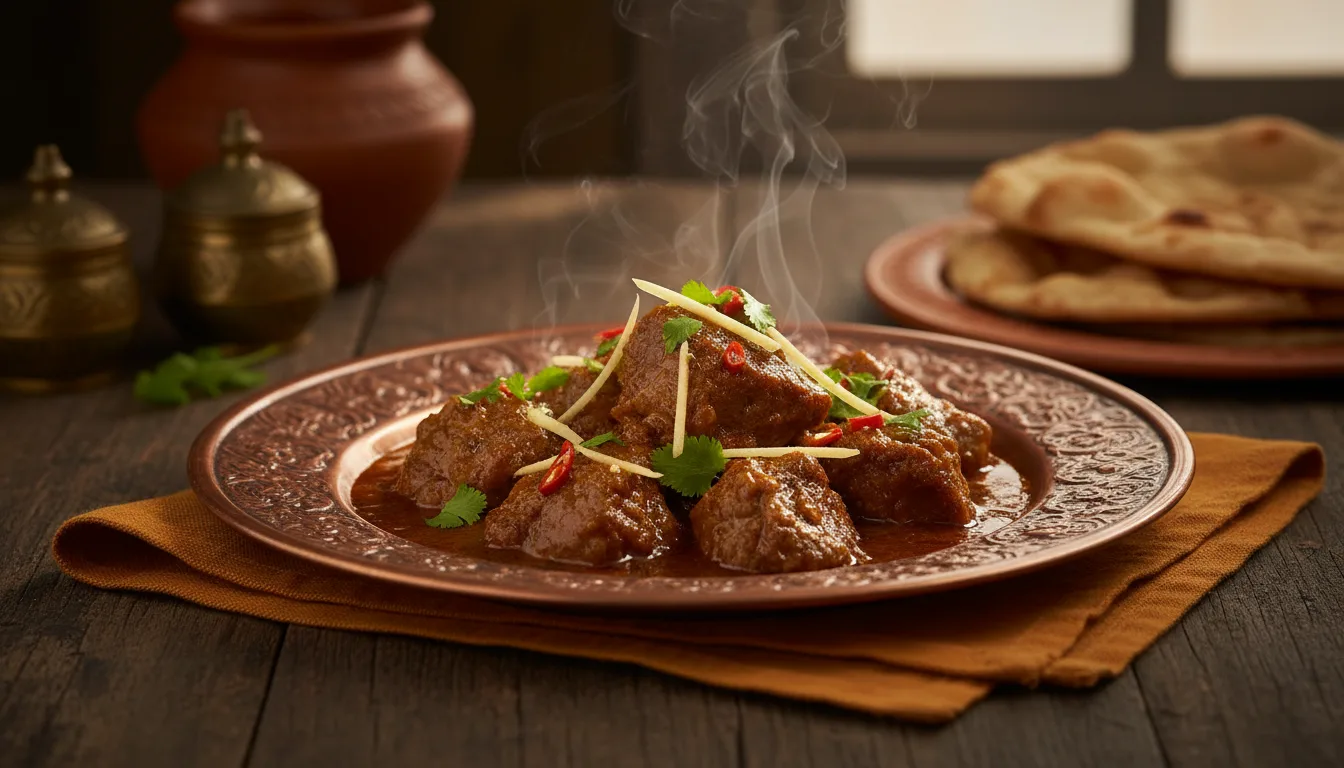
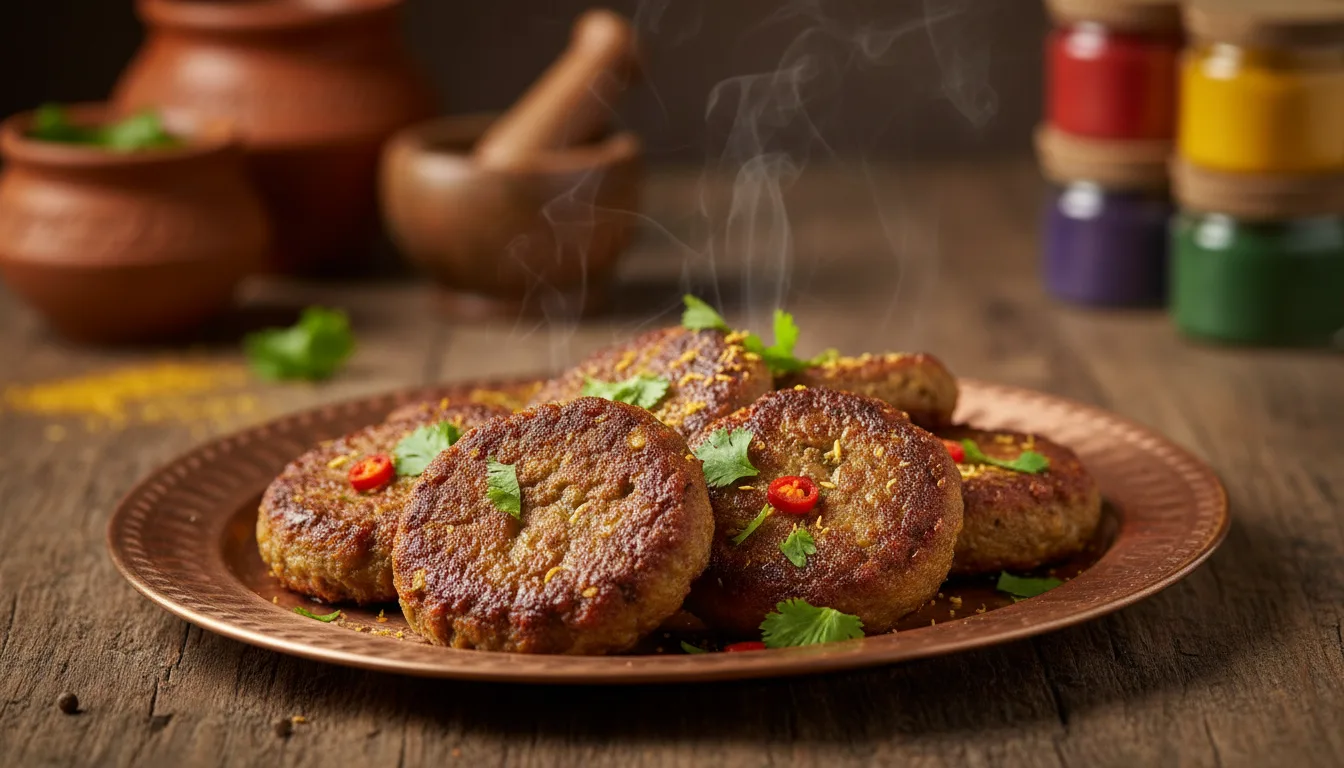
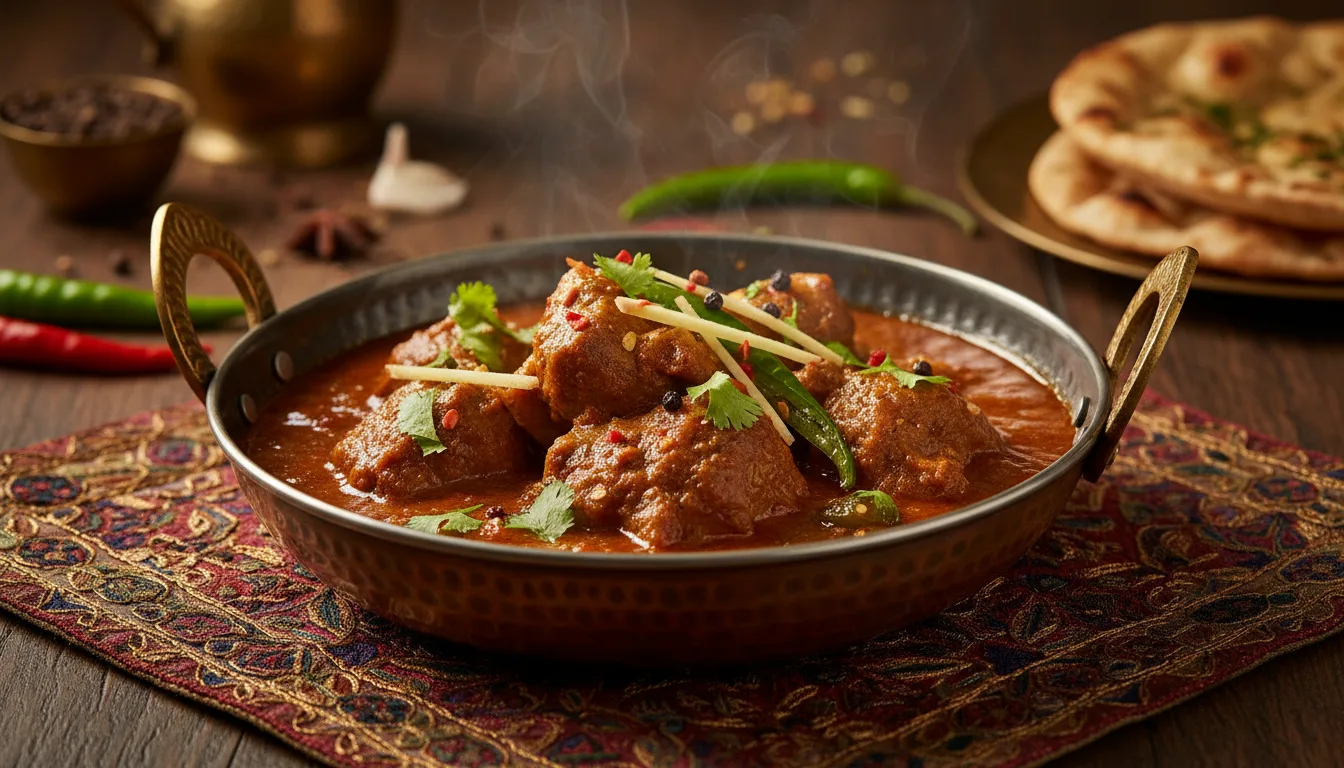
The Eid al-Adha (Bakrid) grand feast centers on slow-cooked, bone-in mutton heirlooms and communal sharing. The banquet is headlined by collagen-rich Mutton Nihari (slow-simmered shanks thickened with toasted flour and aromatic peepli long pepper), melt-in-the-mouth pan-seared Shami Kebabs, wok-tossed Peshawari Karahi cooked in mutton fat and ripe tomatoes, and fragrant saffron mutton biryani.
The Feast of the Qurbani: Culinary Artistry Rooted in Generosity and Sharing
Eid al-Adha commemorates the devotion of Prophet Ibrahim. Under Islamic tradition, the sacrificial meat (Qurbani) is divided into three equal portions: one for the poor and needy, one for relatives and neighbors, and one for the household—ensuring that every member of the community feasts with dignity.
In the royal kitchens of the Mughals and the Nawabs of Awadh, Eid al-Adha gave rise to the zenith of meat cookery. Shank cuts rich in connective tissue are slow-simmered overnight into gelatinous, velvety Nihari, while lean cuts are stone-pounded with roasted lentils into gossamer Shami Kebabs that dissolve effortlessly on the tongue.
High-Density Reference
The Festive Culinary Matrix
Preparation timeline, shelf life, traditional cooking medium, and smart AI rescue guidance.
Tender mutton cooked in its own rendered fat with fresh crushed tomatoes, coarse black pepper, ginger, and green chilies
No onions are used in authentic Peshawari karahi; the thick sauce comes solely from pure rendered meat fat and slow-reduced tomato pulp.
Powered by Ages & Spices Culinary Intelligence
AI Problem Solvers for Festive Cooking
Don’t let broken dough, crystallized syrup, or tricky party guest scaling ruin your festive celebrations. Our built-in AI culinary specialists solve disasters in real time.
Teaches the classical technique of skimming and returning the spiced red oil (tari).
Common Question:
“When I add the flour slurry to my Nihari, the beautiful red oil disappears and the gravy turns pasty. How do I fix it?”
AI Solution:
This is the universal mistake home cooks make. Before adding the toasted flour slurry: skim off 80% of the red spiced oil floating on top (the "Tari") into a separate bowl and set aside. Then whisk the flour slurry smoothly into the simmering meat broth. Simmer for 30 minutes on low heat until velvety. When plating, spoon the rich hot gravy and shank into the bowl, and ladle the reserved red Tari back on top with fresh ginger slivers and lime juice.
✨ Built into every recipe page
Royal Mutton Spices & Aromatics
Nihari Spice Blend (Peepli, Mace, Fennel)
Stone-Ground Chana Dal & Mutton
Fresh Ginger Juliennes & Sliced Green Chilies
Pure Desi Ghee & Bone Marrow (Nalli)
Warm Tandoori Khameeri Roti
The Eid Mutton Vault: Slow-Cooked Niharis & Wok Karahis
Gelatinous shank stews, tandoori rotis, and high-heat tomato karahis.
Essential naivedyam rules, preparation timing, and sacred techniques answered.
Why is peepli (long pepper) essential in authentic Nihari?+
Peepli provides a sweet, numbing warmth and earthy heat distinct from black pepper. It aids in the breakdown of heavy meat fats and gives Nihari its signature intoxicating aroma.
Can Shami Kebabs be frozen before frying?+
Yes! Shape the boiled, pounded meat mixture into patties, place on a parchment-lined tray, and freeze for 2 hours until solid. Transfer to zip-top bags. Fry directly from frozen on medium heat with a splash of ghee—they will turn golden crisp outside and molten inside.
Ages & Spices Royal Culinary Archive
Scan to access interactive AI Sous-Chef portion scaling, real-time Kitchen SOS emergency triage, and culinary timers on agesandspices.com/collections/eid-al-adha