⚡ Quick Culinary Digest & Sacred OverviewVerified by Ages & Spices Sous-Chef Council
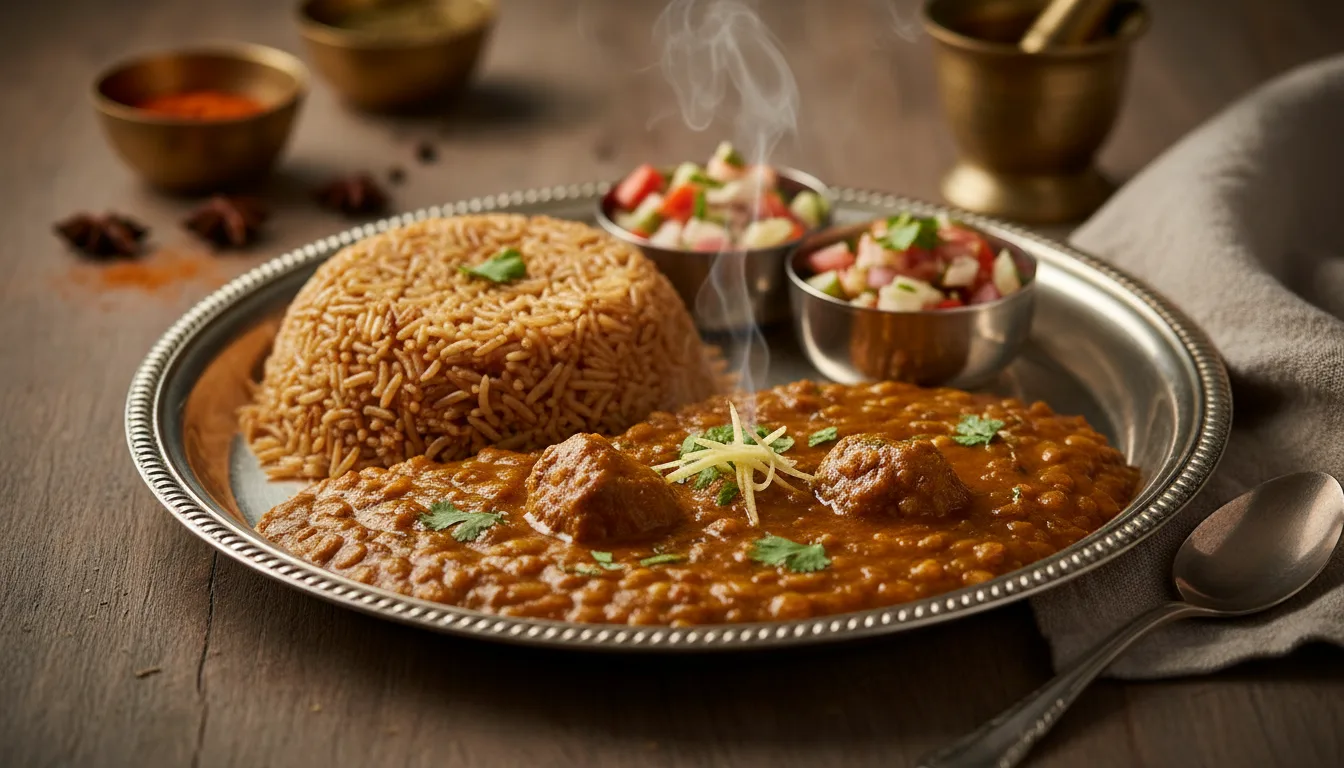
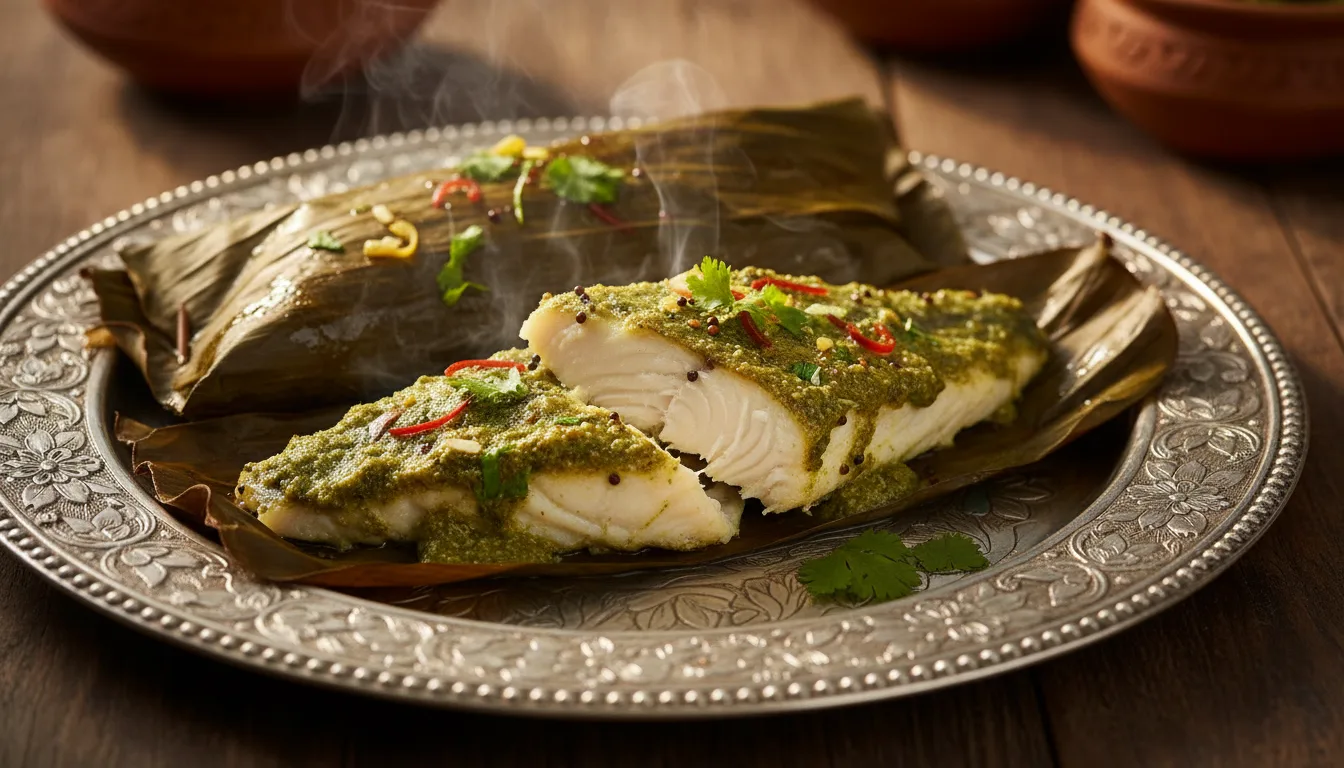
The Parsi Navroz (New Year) feast is celebrated with iconic community heirlooms balancing sweet, sour, and spicy profiles. The grand menu features Mutton Dhansak (tender lamb simmered in a slow-cooked puree of four lentils, pumpkin, and fenugreek, served alongside caramel-sweetened brown rice and meat kebabs), fragrant banana-leaf steamed Patra Ni Machhi, and tangy-sweet Sali Boti.
The Sweet Milk of Sanjan: 1,200 Years of Parsi Culinary Fusion
Legend tells that when Zoroastrian refugees arrived on the shores of Gujarat in the 8th century, King Jadi Rana showed them a bowl full of milk to signal his kingdom was full. The Parsi priests carefully stirred a spoonful of sugar into the bowl without spilling a drop, promising to sweeten the land without displacing anyone.
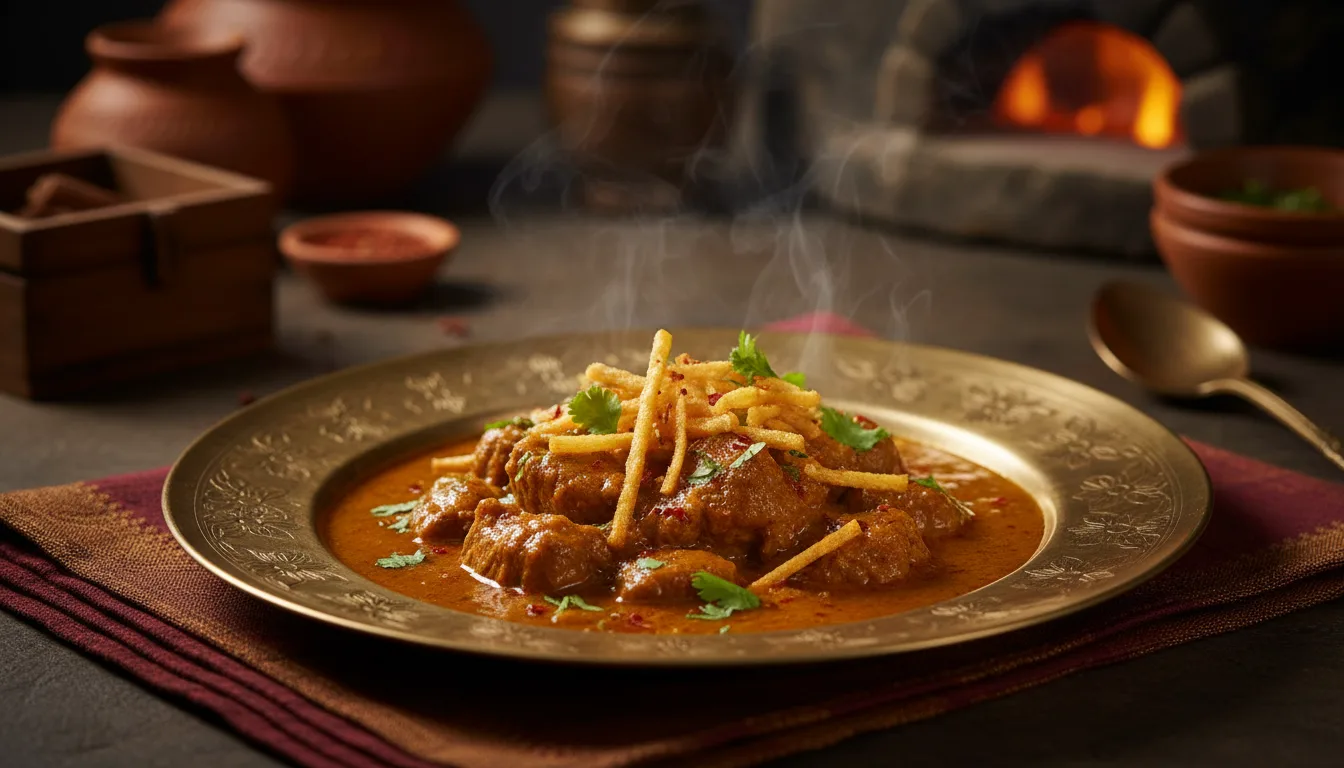
Parsi cuisine is the glorious fulfillment of that promise: marrying ancient Persian meat-and-fruit braises with vibrant Gujarati spices. On Navroz, the celebratory banquet showcases their culinary crown jewels: velvety Mutton Dhansak, pomfret steamed in banana leaves with piquant green chutney (Patra Ni Machhi), and tender mutton stew topped with crunchy potato straws (Sali Boti).
High-Density Reference
The Festive Culinary Matrix
Preparation timeline, shelf life, traditional cooking medium, and smart AI rescue guidance.
Boneless tender mutton slow-braised with caramelized onions, tomatoes, Kolah vinegar, jaggery, topped with crisp sali
Add the crispy potato straws (sali) right before serving at the table; mixing them into hot gravy makes them soggy.
Powered by Ages & Spices Culinary Intelligence
AI Problem Solvers for Festive Cooking
Don’t let broken dough, crystallized syrup, or tricky party guest scaling ruin your festive celebrations. Our built-in AI culinary specialists solve disasters in real time.
🍚
The Royal Parsi Chef
Master Parsi Cook AI: The Caramel Brown Rice Secret
Teaches the classical dry-sugar caramelization technique for traditional brown rice.
Common Question:
“My brown rice for Dhansak is either pale yellow or tastes like bitter burnt charcoal. How do I get that rich Parsi amber color?”
AI Solution:
The color comes from caramelized sugar: 1) In your pot, heat 1 tablespoon oil and add 1 tablespoon granulated sugar without stirring. 2) Watch carefully on medium heat until the sugar melts, turns deep dark mahogany, and begins to bubble. 3) Add whole spices (cinnamon, cloves, cardamom) for 5 seconds, then carefully pour in water (stand back—it will splatter!). 4) Stir to dissolve the caramel completely before adding soaked basmati rice. The rice absorbs the fragrant amber hue with a subtle, non-bitter sweetness.
✨ Built into every recipe page
Parsi Kitchen Foundations
Four Lentil Medley (Toor, Moong, Masoor, Chana)
Kolah Sugarcane Vinegar
Fresh Green Chutney (Coconut, Coriander, Green Chilies)
Caramelized Onion Brown Rice
Shoestring Potato Straws (Sali)
The Parsi Royal Table: Dhansak, Patra Ni Machhi & Sali Boti
Lentil mutton purees, banana leaf fish parcels, and potato-topped stews.
Essential naivedyam rules, preparation timing, and sacred techniques answered.
Why is Dhansak traditionally eaten on Sunday or festive occasions rather than during funerals?+
Dhansak was historically cooked on the fourth day after a funeral when meat was reintroduced after three days of solemn mourning. Over time, its rich, comforting complexity made it the quintessential Sunday afternoon family feast.
What is Kolah vinegar?+
EF Kolah sugarcane vinegar from Navsari, Gujarat, is aged in wooden barrels. It provides a mellow, sweet-sour complexity distinct from harsh synthetic white vinegars.
Ages & Spices Royal Culinary Archive
Scan to access interactive AI Sous-Chef portion scaling, real-time Kitchen SOS emergency triage, and culinary timers on agesandspices.com/collections/parsi-new-year