Authentic Andhra Style Tindora Chutney Recipe
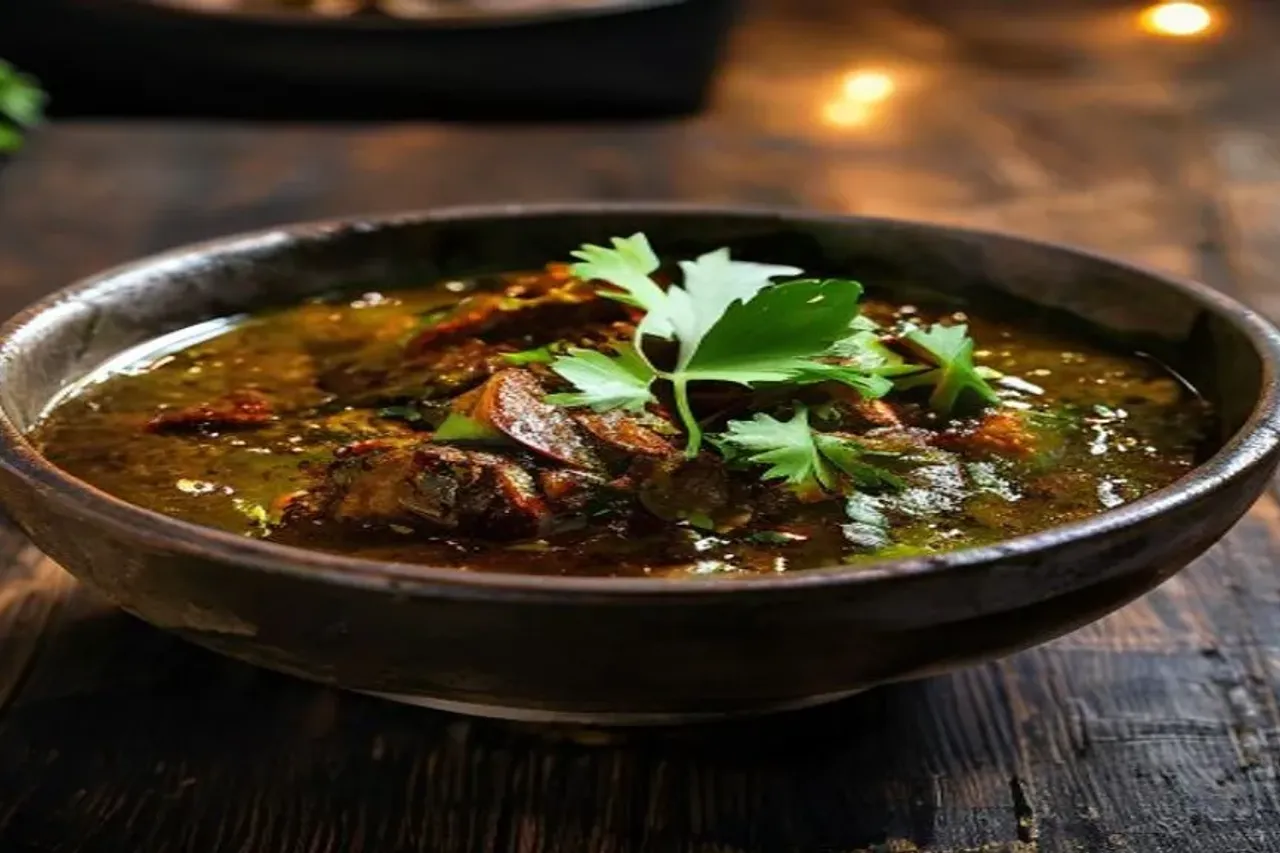
Royal Nutritional Ledger *
For those counting their gold coins and their calories.
The Royal Disclaimer: These figures are calculated by our finest AI court scholars based on standard ingredient values. They are highly educated estimates meant for guidance, not gospel. If you require absolute scientific precision for medical or dietary salvation, please consult a certified physician rather than our kitchen AI!
Did You Know?
Historical Tidbit
Tindora, also known as Ivy Gourd, is a staple tropical vine that grows abundantly in India.
First time here? Click the button above to automatically send all these ingredients to your highest-paying local grocery delivery app.
⚖️ The Modernizer
Missing extinct ingredients? Swap for accessible modern alternatives.
The Golden Rule
"Measure your salt with your heart, but treat your tempering oil with the utmost scientific precision!"
Ingredients
24 items required
Make Us Your Preferred Culinary Source
AI Emergency Hub
Hit a snag while prepping? Our elite AI tools are here to save your dish.
Missing an Ingredient?
Recipe Disaster?
Chef's Notes
Listen to your ingredients, as they speak to you through their aromas! Never rush the cooling process of your roasted spices before grinding, or you will trap unwanted steam and ruin the texture of your fine powder.
Pro Tip
When pulsing the coccinia in the blender, use short, controlled bursts instead of a continuous blend to achieve that perfect, authentic rustic texture without turning it into baby food.
Kitchen Catastrophe Warning
If you dare to add water while grinding this glorious tindora chutney like a common novice, or fail to let your sautéed dondakaya cool down before blending, you will unleash a watery, tragic tragedy that will make even the court jester weep into his gruel!
The Jester's Corner
Royal Court Comedy
I asked the court chef why this chutney requires so much oil, and he told me it's to help the vegetable slide down the throat faster so we don't have to talk during dinner.
The Culinary Science
Dry roasting spices activates their essential oils through heat, releasing trapped volatile compounds that create complex flavor profiles, while cooling them instantly stops any risk of bitter charring.
Make Us Your Preferred Culinary Source
Prioritize Ages & Spices in your Google Discover, Top Stories, and AI search feed with one tap.
🎭How does this recipe make you feel?
Tap a reaction to share your vibe
General Food Safety & Storage
Storage Science
Cool rapidly. Store in an airtight container in the refrigerator (below 4°C / 40°F). Consume within 3-4 days.
Reheating Science
Reheat to an internal temperature of 165°F (74°C). Use the stove or oven for best texture, stirring or turning occasionally to ensure even heating.
Taster's Notes
Community Feedback
0 Comments
Be the first to leave a note on this recipe!