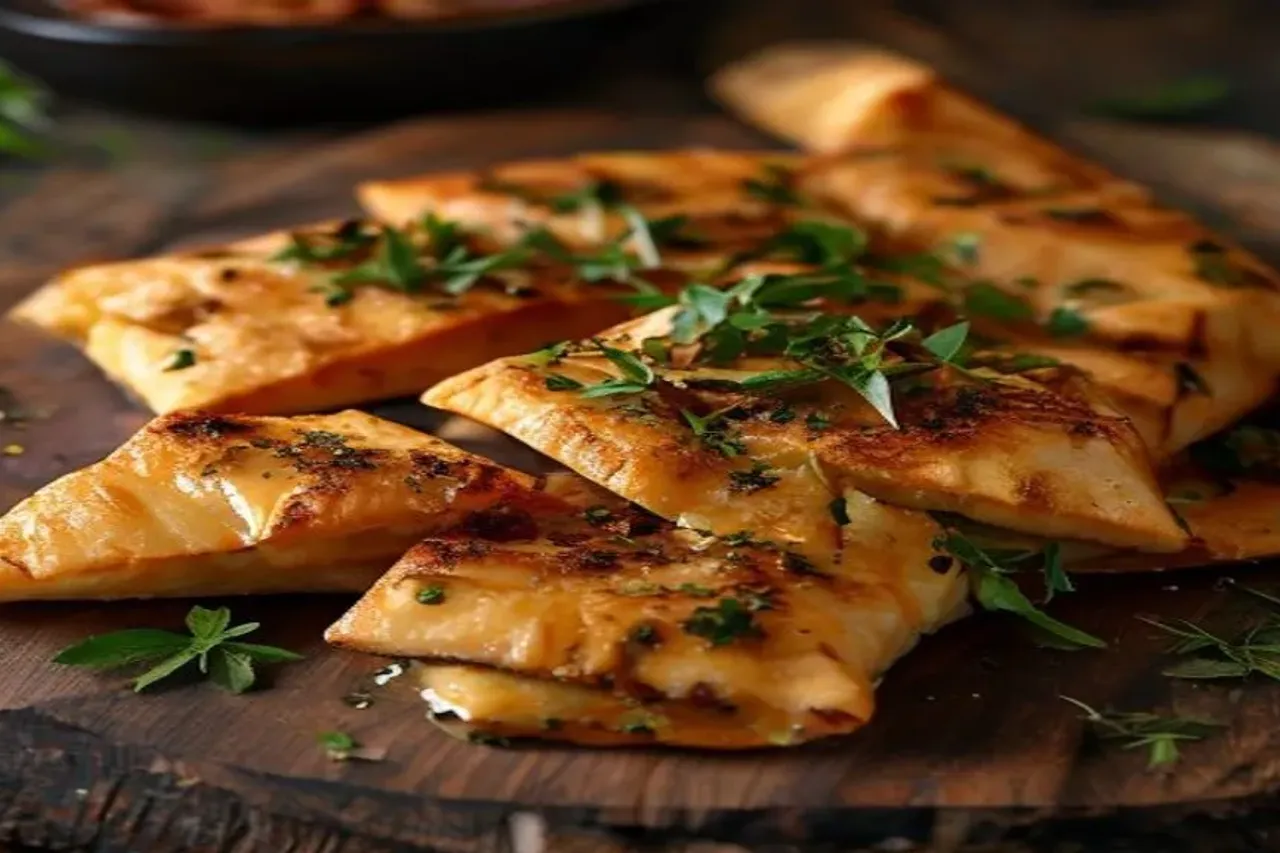
Authentic Crispy Moong Dal Papdi Recipe
Royal Nutritional Ledger *
For those counting their gold coins and their calories.
The Royal Disclaimer: These figures are calculated by our finest AI court scholars based on standard ingredient values. They are highly educated estimates meant for guidance, not gospel. If you require absolute scientific precision for medical or dietary salvation, please consult a certified physician rather than our kitchen AI!
Did You Know?
Historical Tidbit
Moong dal and urad dal are powerhouse legumes packed with plant-based protein, making them a staple in ancient South Asian vegetarian diets.
First time here? Click the button above to automatically send all these ingredients to your highest-paying local grocery delivery app.
⚖️ The Modernizer
Missing extinct ingredients? Swap for accessible modern alternatives.
The Golden Rule
"Never rush the frying process on high heat! Medium flame is your absolute sovereign; rush it, and the outside will burn while the inside remains stubbornly soft."
Ingredients
14 items required
Make Us Your Preferred Culinary Source
AI Emergency Hub
Hit a snag while prepping? Our elite AI tools are here to save your dish.
Missing an Ingredient?
Recipe Disaster?
Chef's Notes
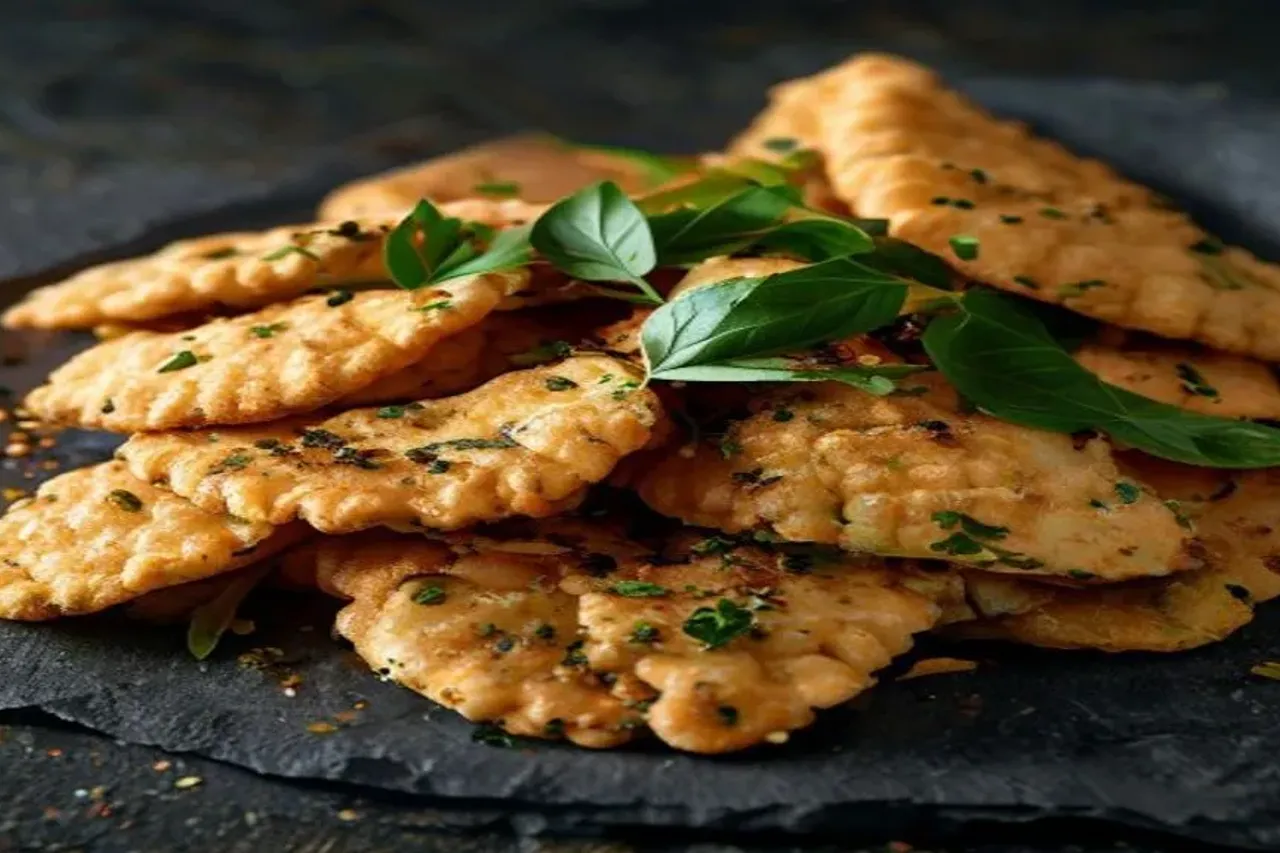
Listen closely, culinary adventurer! The secret to a phenomenal papdi lies entirely in the thickness of your dough disc. If you rush the flattening process and leave them thick, you will end up with chewy crackers rather than the shatteringly crisp masterpieces we demand in the royal court.
Pro Tip
Grease your zip-lock bag just enough so the dough releases without tearing. Too much oil will make your pressing surface dangerously slippery, sending your dough flying across the kitchen!
Kitchen Catastrophe Warning
If you dump too many dough discs into the frying oil at once, the oil temperature will plummet faster than a bad royal investment, resulting in soggy, oil-logged discs that will make even your household pets weep in disappointment.
The Jester's Corner
Royal Court Comedy
Our royal guards use these papdis as impenetrable shields, though they tend to crumble dramatically under enemy fire.
The Culinary Science
Soaking the moong and urad dal hydrates the starches and softens the protein matrices, which allows the mixer to pulverize them into a cohesive paste that binds the rice flour without needing excessive amounts of gluten.
Make Us Your Preferred Culinary Source
Prioritize Ages & Spices in your Google Discover, Top Stories, and AI search feed with one tap.
🎭How does this recipe make you feel?
Tap a reaction to share your vibe
General Food Safety & Storage
Storage Science
Cool rapidly. Store in an airtight container in the refrigerator (below 4°C / 40°F). Consume within 3-4 days.
Reheating Science
Reheat to an internal temperature of 165°F (74°C). Use the stove or oven for best texture, stirring or turning occasionally to ensure even heating.


Taster's Notes
Community Feedback
0 Comments
Be the first to leave a note on this recipe!