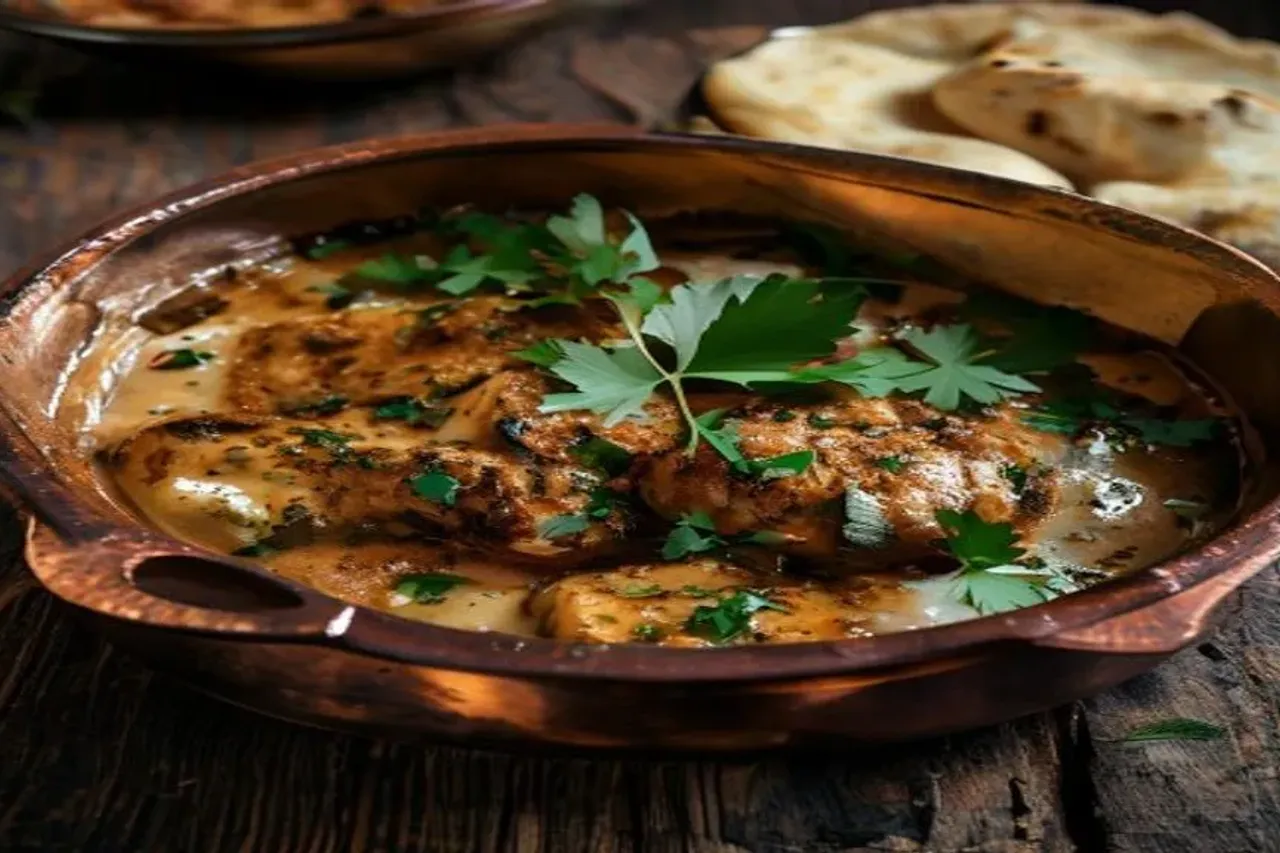
Authentic Dhaba Style Paneer Masala Recipe
Royal Nutritional Ledger *
For those counting their gold coins and their calories.
The Royal Disclaimer: These figures are calculated by our finest AI court scholars based on standard ingredient values. They are highly educated estimates meant for guidance, not gospel. If you require absolute scientific precision for medical or dietary salvation, please consult a certified physician rather than our kitchen AI!
Did You Know?
Historical Tidbit
Paneer is a non-melting fresh cheese central to South Asian cuisine that is created by curdling heated milk with a fruit or vegetable acid like lemon juice.
First time here? Click the button above to automatically send all these ingredients to your highest-paying local grocery delivery app.
⚖️ The Modernizer
Missing extinct ingredients? Swap for accessible modern alternatives.
The Golden Rule
"Always drop the heat to absolute minimum before adding dairy to a tomato base, unless you enjoy curdled scrambled-egg gravy."
Ingredients
30 items required
Make Us Your Preferred Culinary Source
AI Emergency Hub
Hit a snag while prepping? Our elite AI tools are here to save your dish.
Missing an Ingredient?
Recipe Disaster?
Chef's Notes
Do not rush the onion browning phase! Patience here is what separates a magnificent dhaba-style gravy from a watery tomato soup.
Pro Tip
Soak your fried paneer in warm water for 5 minutes before adding to the gravy if you want them to turn out impossibly pillowy and soft.
Kitchen Catastrophe Warning
Blasting the heat when adding the curd and turning your luxurious velvety curry into a curdled, separated tragedy of floating dairy solids.
The Jester's Corner
Royal Court Comedy
Our royal accountants checked the spice budget and immediately fainted after seeing how many cardamoms went into this single pan.
The Culinary Science
Whisking curd before introducing it to a hot pan prevents the proteins from violently coagulating into unappealing white lumps.
Make Us Your Preferred Culinary Source
Prioritize Ages & Spices in your Google Discover, Top Stories, and AI search feed with one tap.
🎭How does this recipe make you feel?
Tap a reaction to share your vibe
Flavor Maturation & Emulsion Protection
Storage Science
Cool rapidly in a shallow container before refrigerating. Curries and stews often taste better on day two as aromatic compounds continue to bloom and mingle in the fat matrix. Consume within 4 days.
Reheating Science
Reheat slowly on the stovetop over medium-low heat, stirring gently. If the fat has separated (broken emulsion), add a tablespoon of boiling water and whisk vigorously to re-emulsify before serving.
Taster's Notes
Community Feedback
0 Comments
Be the first to leave a note on this recipe!