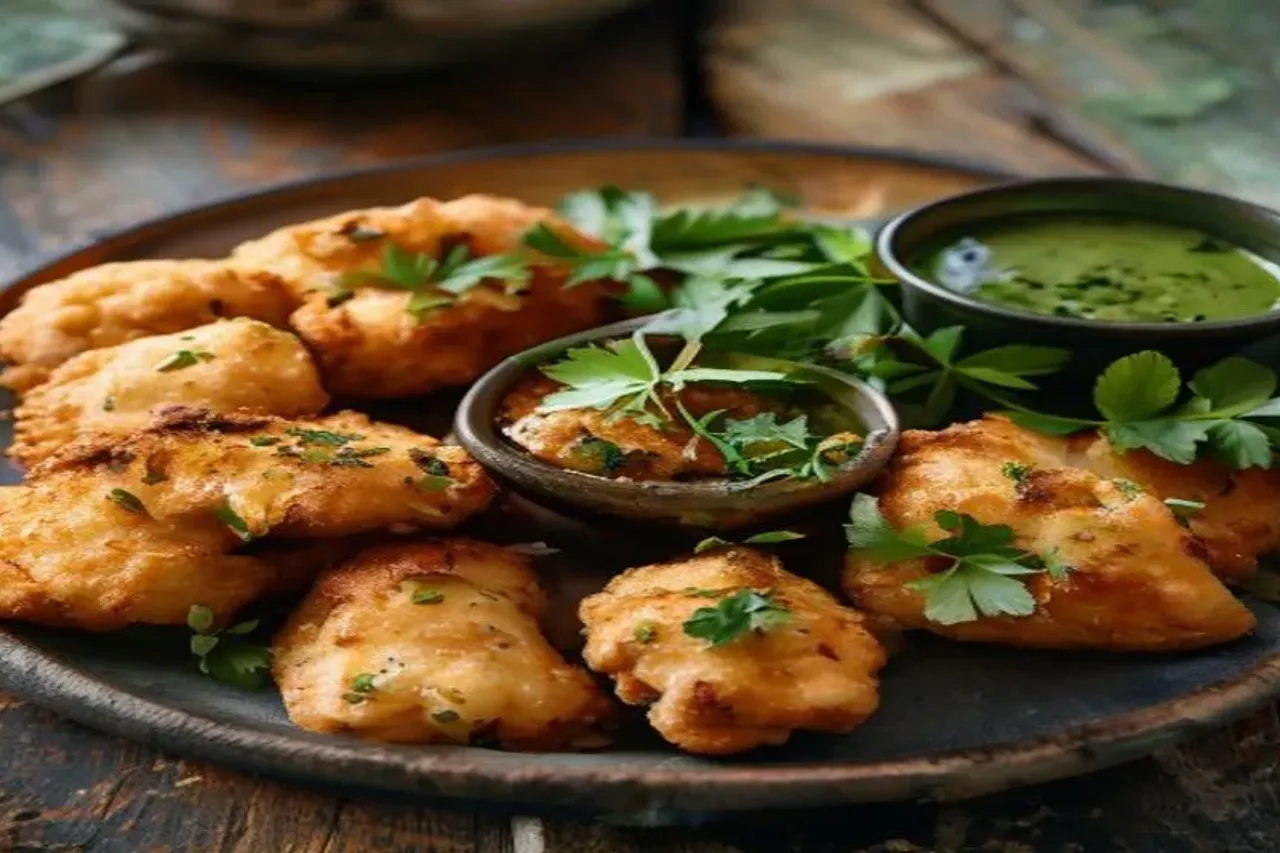
Authentic Moong Dal Vada Recipe
Royal Nutritional Ledger *
For those counting their gold coins and their calories.
The Royal Disclaimer: These figures are calculated by our finest AI court scholars based on standard ingredient values. They are highly educated estimates meant for guidance, not gospel. If you require absolute scientific precision for medical or dietary salvation, please consult a certified physician rather than our kitchen AI!
Did You Know?
Historical Tidbit
Moong dal is one of the most ancient cultivated legumes in India, mentioned in Ayurvedic texts dating back thousands of years.
First time here? Click the button above to automatically send all these ingredients to your highest-paying local grocery delivery app.
⚖️ The Modernizer
Missing extinct ingredients? Swap for accessible modern alternatives.
The Golden Rule
"Never rush the soaking process, and never crowd the frying pan. Patience is the secret ingredient of royalty."
Ingredients
13 items required
Make Us Your Preferred Culinary Source
AI Emergency Hub
Hit a snag while prepping? Our elite AI tools are here to save your dish.
Missing an Ingredient?
Recipe Disaster?
Chef's Notes
Listen closely, culinary travelers! The texture of your dal paste makes or breaks this entire operation. If you over-blend it into a smooth liquid, you are basically making soup batter. Keep it coarse so every bite has a majestic crunch.
Pro Tip
Want to test if your oil is hot enough without dropping in a vada? Toss a tiny crumb of the batter into the pan. If it sizzles and dances its way to the top immediately, your oil is ready for action!
Kitchen Catastrophe Warning
If you dump your dal into the oil while it is still dripping wet, expect a violent volcanic eruption of hot oil that will redecorate your entire kitchen and instantly revoke your cooking license!
The Jester's Corner
Royal Court Comedy
Why did the moong dal go to therapy? Because it was tired of being soaked for an hour just to get deep-fried in a mid-life crisis.
The Culinary Science
Coarsely grinding soaked pulses creates pockets of trapped moisture that instantly turn to steam when hitting hot oil, causing the starch matrix to expand rapidly and form that coveted airy, crispy crust.
Make Us Your Preferred Culinary Source
Prioritize Ages & Spices in your Google Discover, Top Stories, and AI search feed with one tap.
🎭How does this recipe make you feel?
Tap a reaction to share your vibe
General Food Safety & Storage
Storage Science
Cool rapidly. Store in an airtight container in the refrigerator (below 4°C / 40°F). Consume within 3-4 days.
Reheating Science
Reheat to an internal temperature of 165°F (74°C). Use the stove or oven for best texture, stirring or turning occasionally to ensure even heating.
Taster's Notes
Community Feedback
0 Comments
Be the first to leave a note on this recipe!