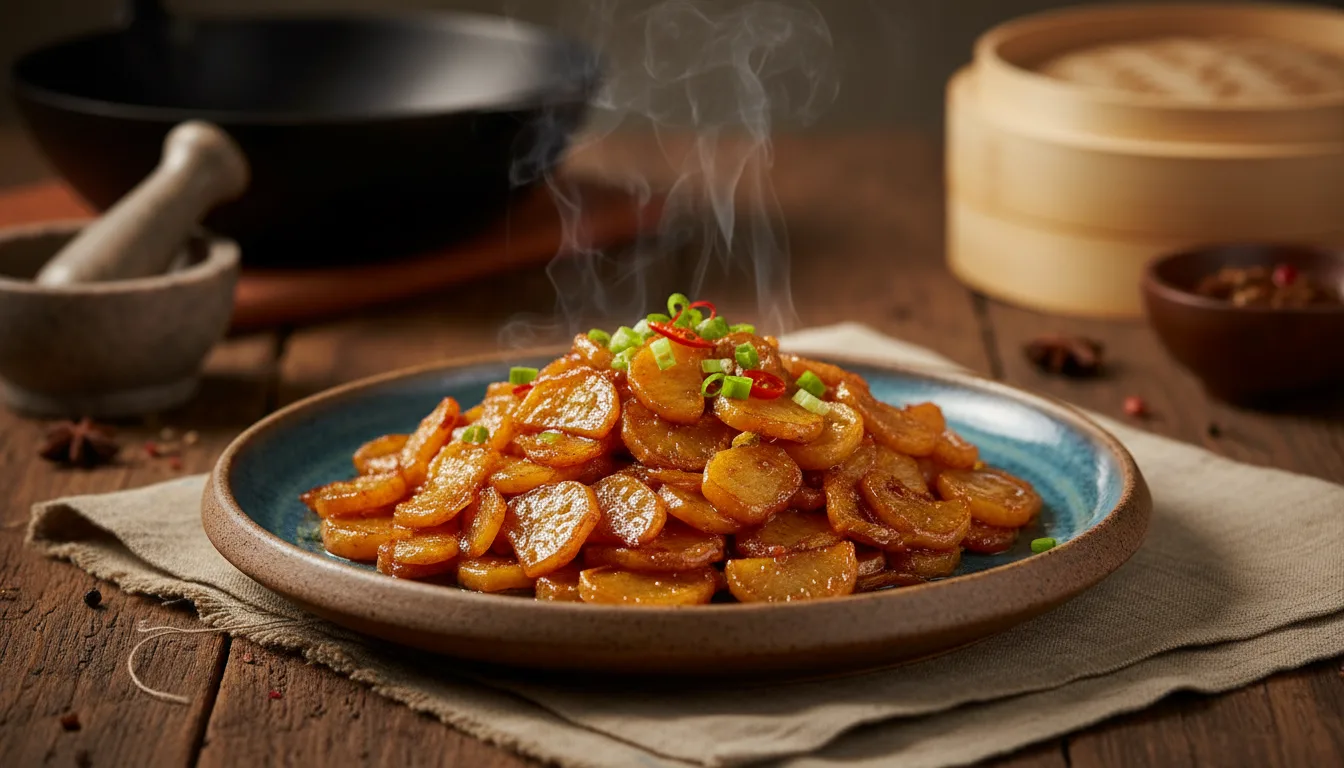
Authentic Sweet-Salty Stir-Fried Preserved Radish Recipe
Royal Nutritional Ledger *
For those counting their gold coins and their calories.
The Royal Disclaimer: These figures are calculated by our finest AI court scholars based on standard ingredient values. They are highly educated estimates meant for guidance, not gospel. If you require absolute scientific precision for medical or dietary salvation, please consult a certified physician rather than our kitchen AI!
Part of our Savory-sweet side dish Master Index
Did You Know?
Historical Tidbit
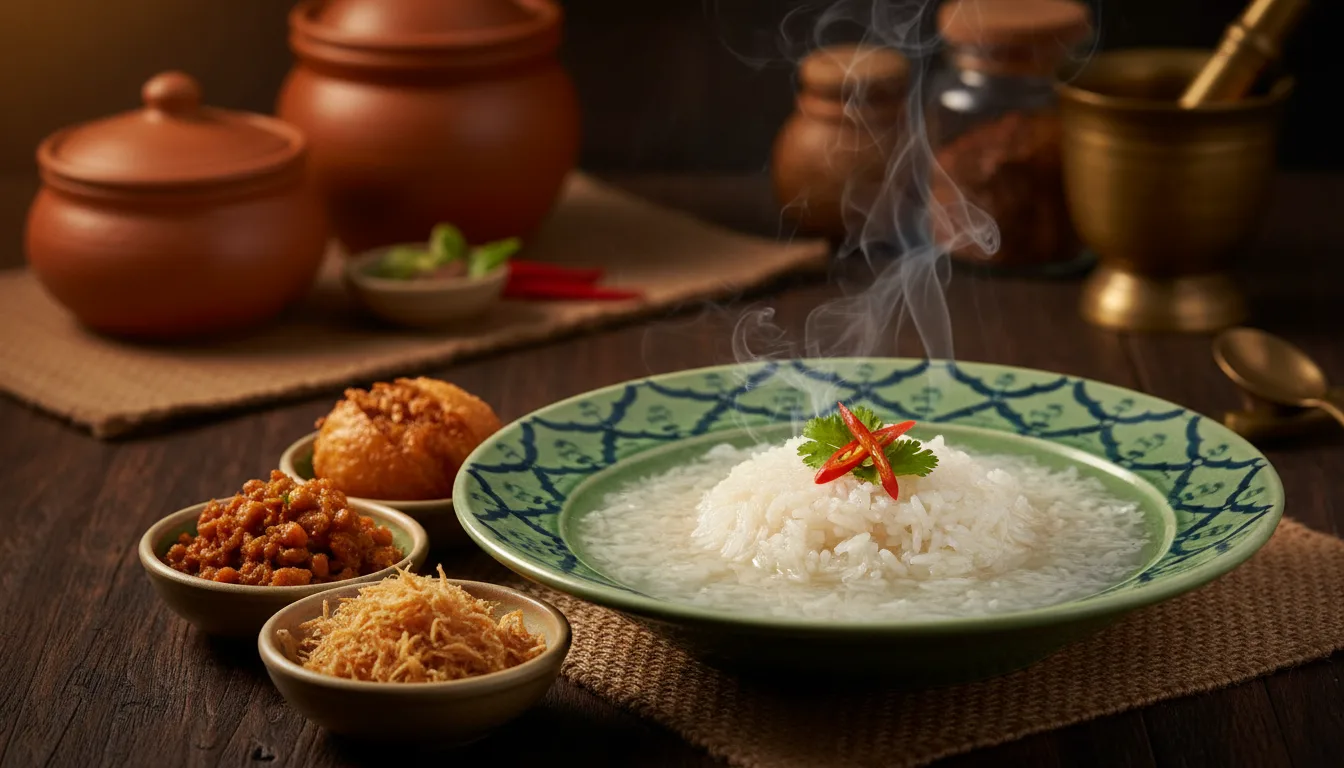
Originating from Mon migrants who settled along the Chao Phraya River, preserved radish dishes were elevated to aristocratic grandeur within the Grand Palace under King Chulalongkorn (Rama V) as an essential cool-weather balance in Khao Chae.
First time here? Click the button above to automatically send all these ingredients to your highest-paying local grocery delivery app.
⚖️ The Modernizer
Missing extinct ingredients? Swap for accessible modern alternatives.
The Golden Rule
"Low and slow is inviolable: never rush the final 20-minute sugar reduction over high heat, or the sucrose will pass the hard-ball candy phase and turn into an unchewable, bitter, blackened lacquer."
Ingredients
15 items required
The Preserved Radish & Desalination Base:
The Royal Aromatic Trinity:
The Amber Glaze Matrix:
Make Us Your Preferred Culinary Source
AI Emergency Hub
Hit a snag while prepping? Our elite AI tools are here to save your dish.
Missing an Ingredient?
Recipe Disaster?
Chef's Notes
The single most lethal mistake cooks make is failing to taste the radish after the desalination blanching step. Preserved radish brands vary widely in salinity; if the raw radish still stings your tongue with salt after parboiling, repeat the rinse cycle with fresh warm water. Conversely, never over-boil it into mush—it must retain its toothsome snap before hitting the sugar syrup.
Pro Tip
Using a blend of unrefined coconut palm sugar and refined white cane sugar is the professional palace secret. Palm sugar yields depth, earthiness, and caramel aromatics, while white cane sugar provides structural gloss, crispness, and prevents the cooled radish strands from turning unpleasantly soggy or syrupy at room temperature.
Kitchen Catastrophe Warning
If the syrup thickens too fast and hardens into a stiff, brittle candy before the radish strips have absorbed the glaze and turned translucent, immediately pull the pan off the heat and whisk in 30 ml (2 tbsp) of boiling hot water. Return to the gentlest low simmer, gently stirring until the crystallized sugar redissolves into an elastic, pliable amber syrup, then continue confiting at a lower flame.
The Jester's Corner
Royal Court Comedy
If your radish isn't translucent enough to read a royal decree through, return to the stove and beg forgiveness from the ancestors.
The Culinary Science
The transformation relies on osmotic dehydration paired with sugar confectionery principles. Parboiling removes sodium chloride ions from the radish cells, reducing intracellular salt concentration. When submerged in the concentrated sugar solution over low heat, the high osmotic gradient forces water out of the radish cells while sucrose molecules penetrate the plant parenchyma, replacing water and preventing pectin collapse. This yields a candied, vitreous, translucent appearance and a delightfully resilient, chewable texture.
Make Us Your Preferred Culinary Source
Prioritize Ages & Spices in your Google Discover, Top Stories, and AI search feed with one tap.
🎭How does this recipe make you feel?
Tap a reaction to share your vibe
General Food Safety & Storage
Storage Science
Cool rapidly. Store in an airtight container in the refrigerator (below 4°C / 40°F). Consume within 3-4 days.
Reheating Science
Reheat to an internal temperature of 165°F (74°C). Use the stove or oven for best texture, stirring or turning occasionally to ensure even heating.

Taster's Notes
Community Feedback
0 Comments
Be the first to leave a note on this recipe!