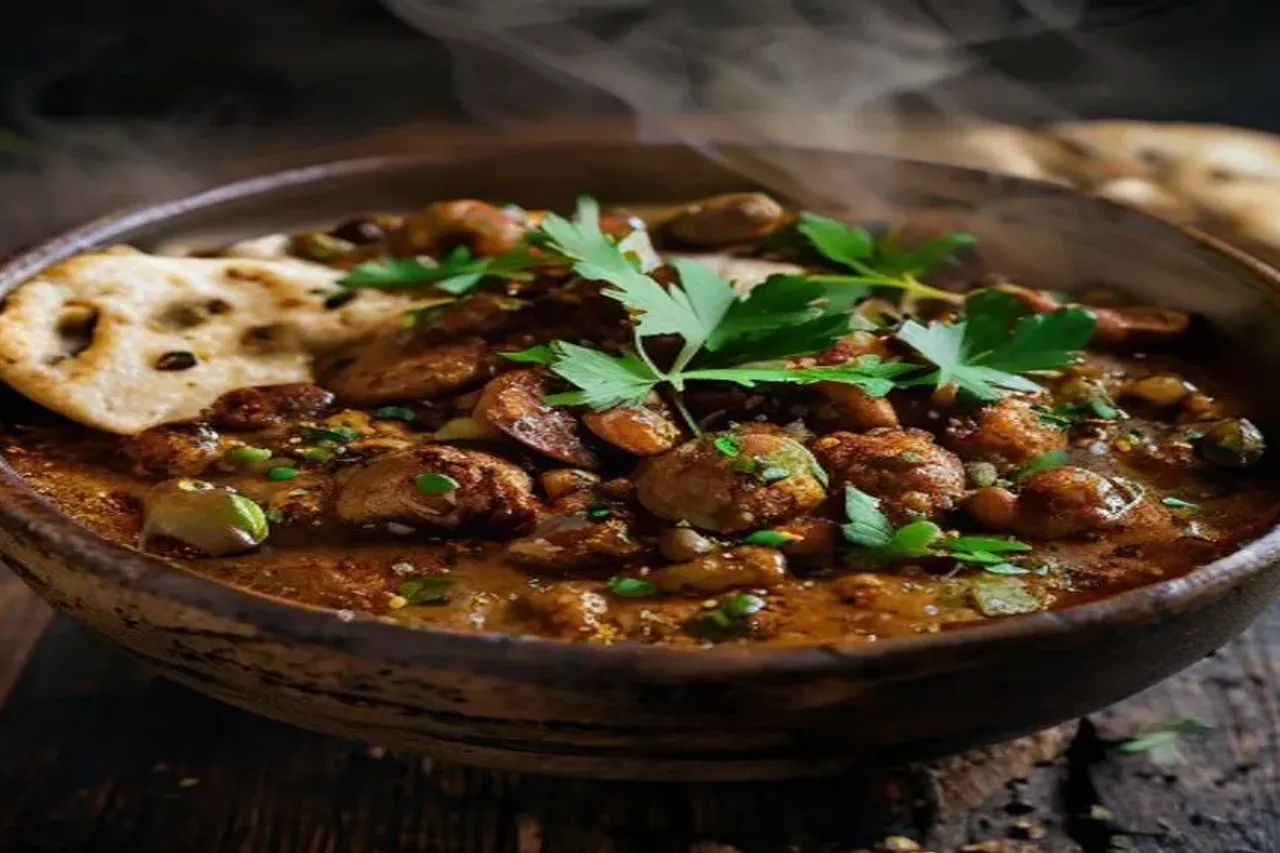
How to Make Classic Black Eyed Peas Masala Recipe
Royal Nutritional Ledger *
For those counting their gold coins and their calories.
The Royal Disclaimer: These figures are calculated by our finest AI court scholars based on standard ingredient values. They are highly educated estimates meant for guidance, not gospel. If you require absolute scientific precision for medical or dietary salvation, please consult a certified physician rather than our kitchen AI!
Did You Know?
Historical Tidbit
Black-eyed peas are technically not peas but a subspecies of the cowpea, native to West Africa and brought to the Americas in the 17th century.
First time here? Click the button above to automatically send all these ingredients to your highest-paying local grocery delivery app.
⚖️ The Modernizer
Missing extinct ingredients? Swap for accessible modern alternatives.
The Golden Rule
"Never rush the pressure release phase, or your kitchen ceiling will be redecorated with black-eyed pea puree."
Ingredients
20 items required
Make Us Your Preferred Culinary Source
AI Emergency Hub
Hit a snag while prepping? Our elite AI tools are here to save your dish.
Missing an Ingredient?
Recipe Disaster?
Chef's Notes
Do not rush the onion browning stage; building that deep foundational color is the secret to a magnificent masala.
Pro Tip
Grating fresh coconut rather than using dried flakes will elevate the creamy texture of your gravy by leaps and bounds.
Kitchen Catastrophe Warning
Failing to soak the black-eyed peas will result in rock-hard bullets that could chip your royal teeth, no matter how many times you whistle that pressure cooker.
The Jester's Corner
Royal Court Comedy
I asked the court gardener why the beans are called black-eyed, and he said it's because they stayed up all night worrying about becoming a salad.
The Culinary Science
Pressure cooking raises the boiling point of water, forcing moisture into the tough seed coats of the legumes and softening them in a fraction of the usual time.
🏺 Explore More Royal Feasts
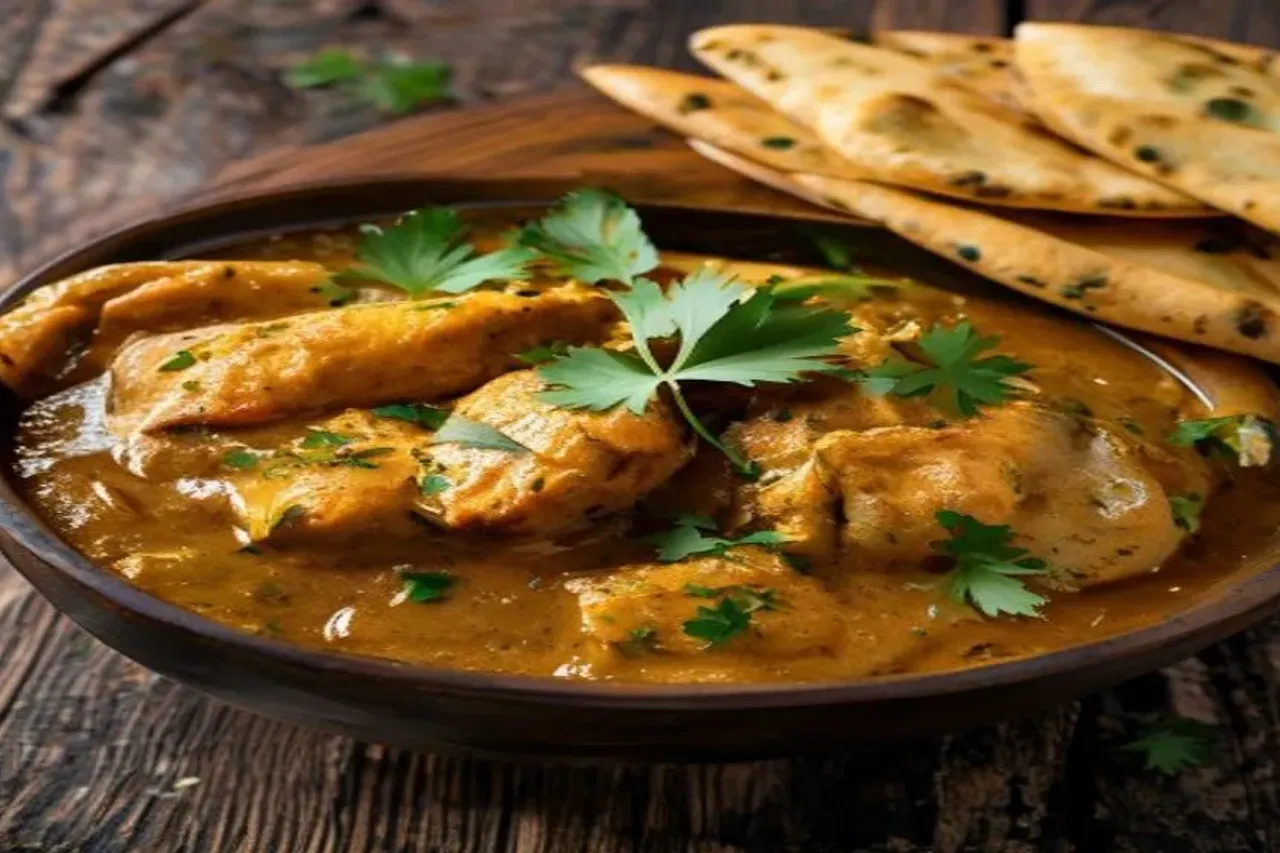
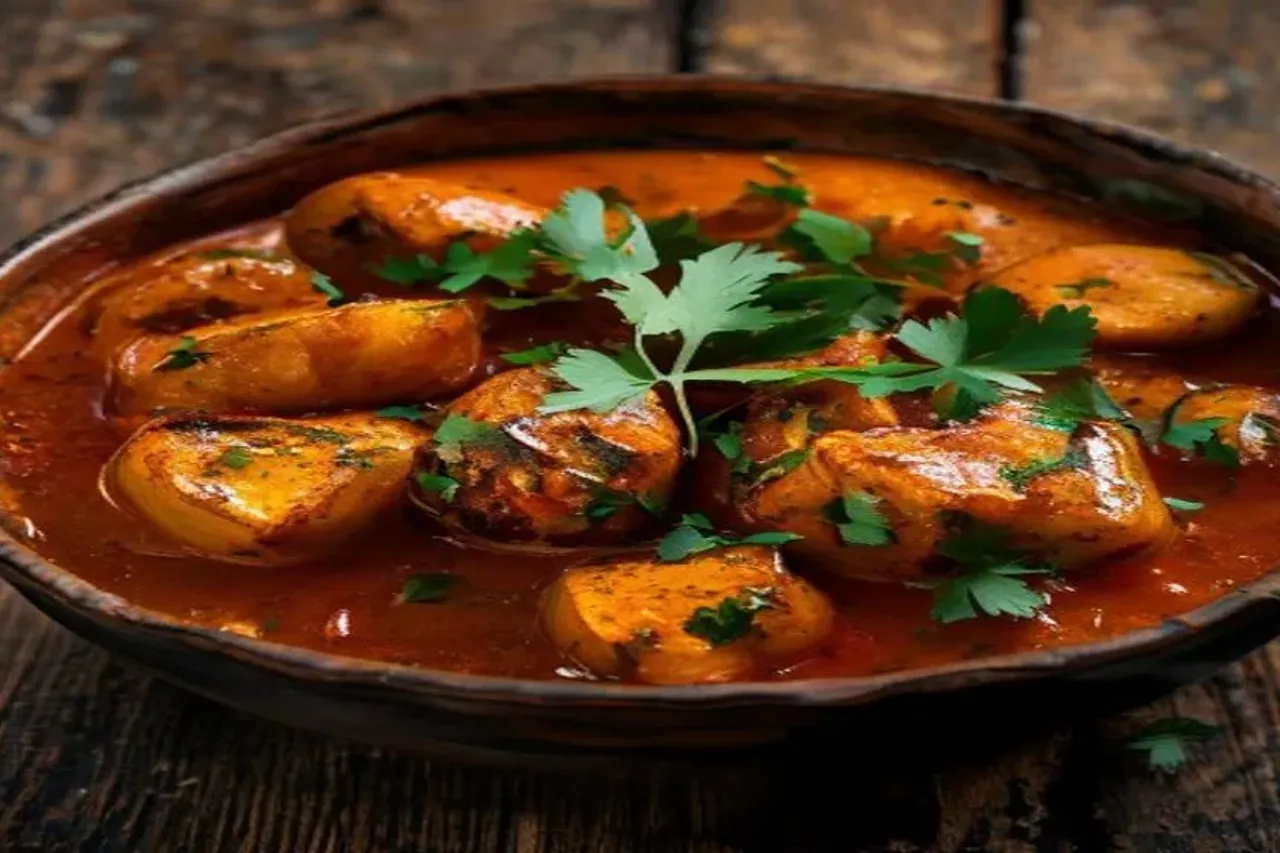
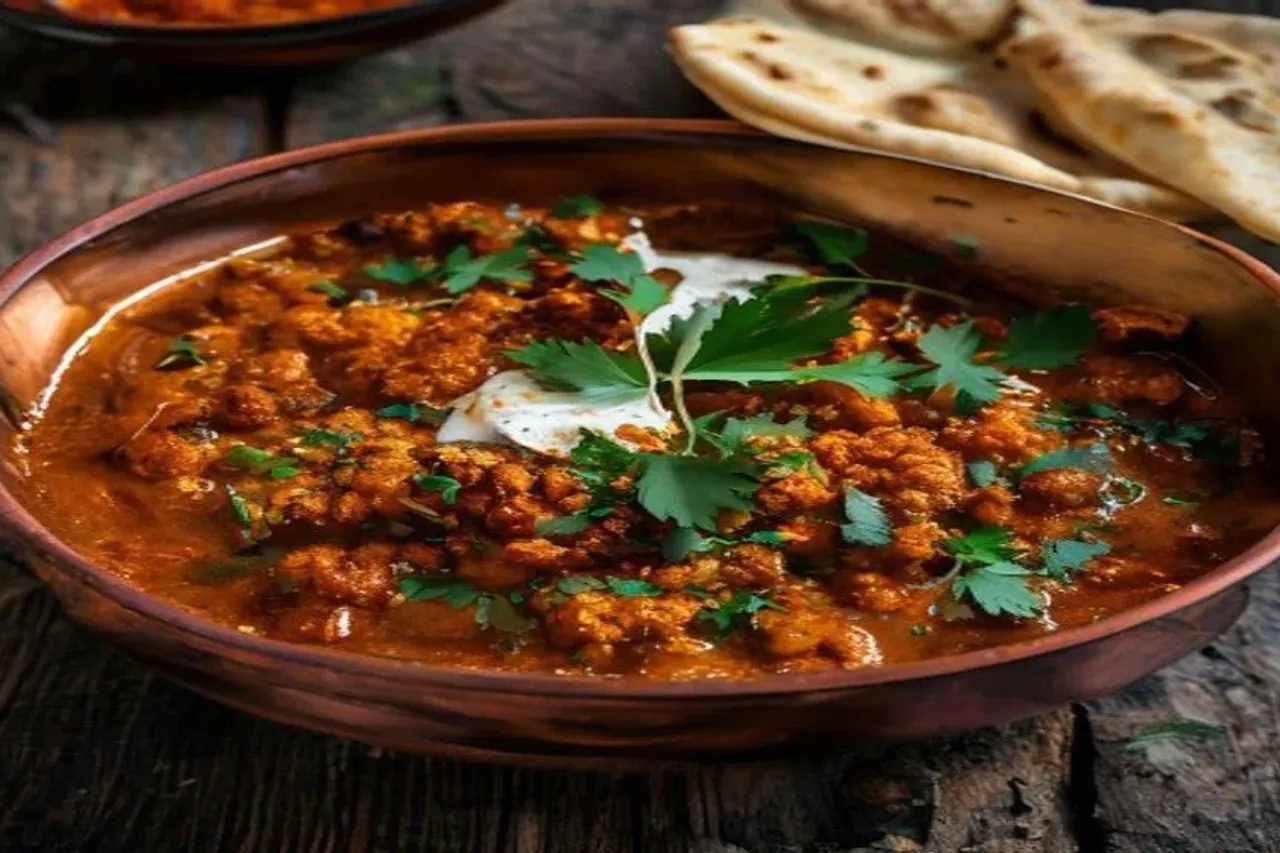
Lift the lid on these timeless delicacies
Make Us Your Preferred Culinary Source
Prioritize Ages & Spices in your Google Discover, Top Stories, and AI search feed with one tap.
🎭How does this recipe make you feel?
Tap a reaction to share your vibe
Flavor Maturation & Emulsion Protection
Storage Science
Cool rapidly in a shallow container before refrigerating. Curries and stews often taste better on day two as aromatic compounds continue to bloom and mingle in the fat matrix. Consume within 4 days.
Reheating Science
Reheat slowly on the stovetop over medium-low heat, stirring gently. If the fat has separated (broken emulsion), add a tablespoon of boiling water and whisk vigorously to re-emulsify before serving.
Taster's Notes
Community Feedback
0 Comments
Be the first to leave a note on this recipe!