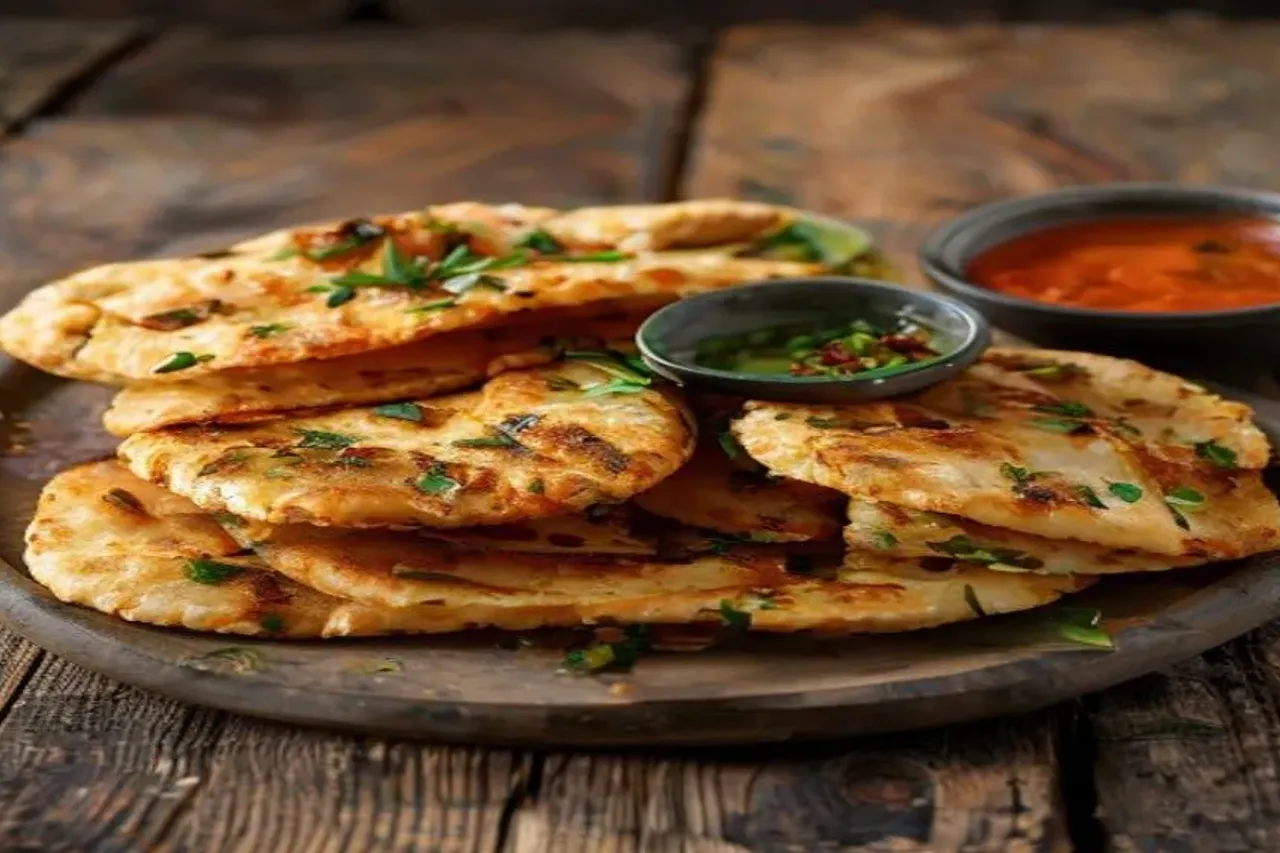
How to Make Classic Bread Paratha Recipe
Royal Nutritional Ledger *
For those counting their gold coins and their calories.
The Royal Disclaimer: These figures are calculated by our finest AI court scholars based on standard ingredient values. They are highly educated estimates meant for guidance, not gospel. If you require absolute scientific precision for medical or dietary salvation, please consult a certified physician rather than our kitchen AI!
Did You Know?
Historical Tidbit
Semolina was historically used as a binder in rustic village breads long before modern refined flours took over.
First time here? Click the button above to automatically send all these ingredients to your highest-paying local grocery delivery app.
⚖️ The Modernizer
Missing extinct ingredients? Swap for accessible modern alternatives.
The Golden Rule
"Never rush the heat! Cooking this paratha on high flame will char the outside while leaving your vegetable-laden center raw and soggy. Low and steady wins the golden crown."
Ingredients
15 items required
Make Us Your Preferred Culinary Source
AI Emergency Hub
Hit a snag while prepping? Our elite AI tools are here to save your dish.
Missing an Ingredient?
Recipe Disaster?
Chef's Notes
Listen closely, culinary padawan! Treating your bread batter with patience during the soaking phase is the hidden key to achieving a pancake-like texture rather than a heavy bread pudding.
Pro Tip
Want extra crispiness? Let your blended batter rest for ten full minutes before introducing the vegetables. It allows the semolina to swell and absorb liquids like a thirsty sponge in the desert!
Kitchen Catastrophe Warning
Beware of the swamp batter! Adding too much water at once will turn your elegant paratha mixture into a watery soup that refuses to hold a circle on the griddle. Add water drop by drop, or face the wrath of a sad, soggy breakfast crepe!
The Jester's Corner
Royal Court Comedy
I asked the chef for a gourmet meal and he handed me a pile of bread soaked in water; I suppose 'rustic' is just code for 'I forgot to go to the store'.
The Culinary Science
When semolina hydrates and meets hot oil, the starches gelatinize and crisp up rapidly, creating a delightful crunchy crust while locking in the moisture of the soft bread interior.
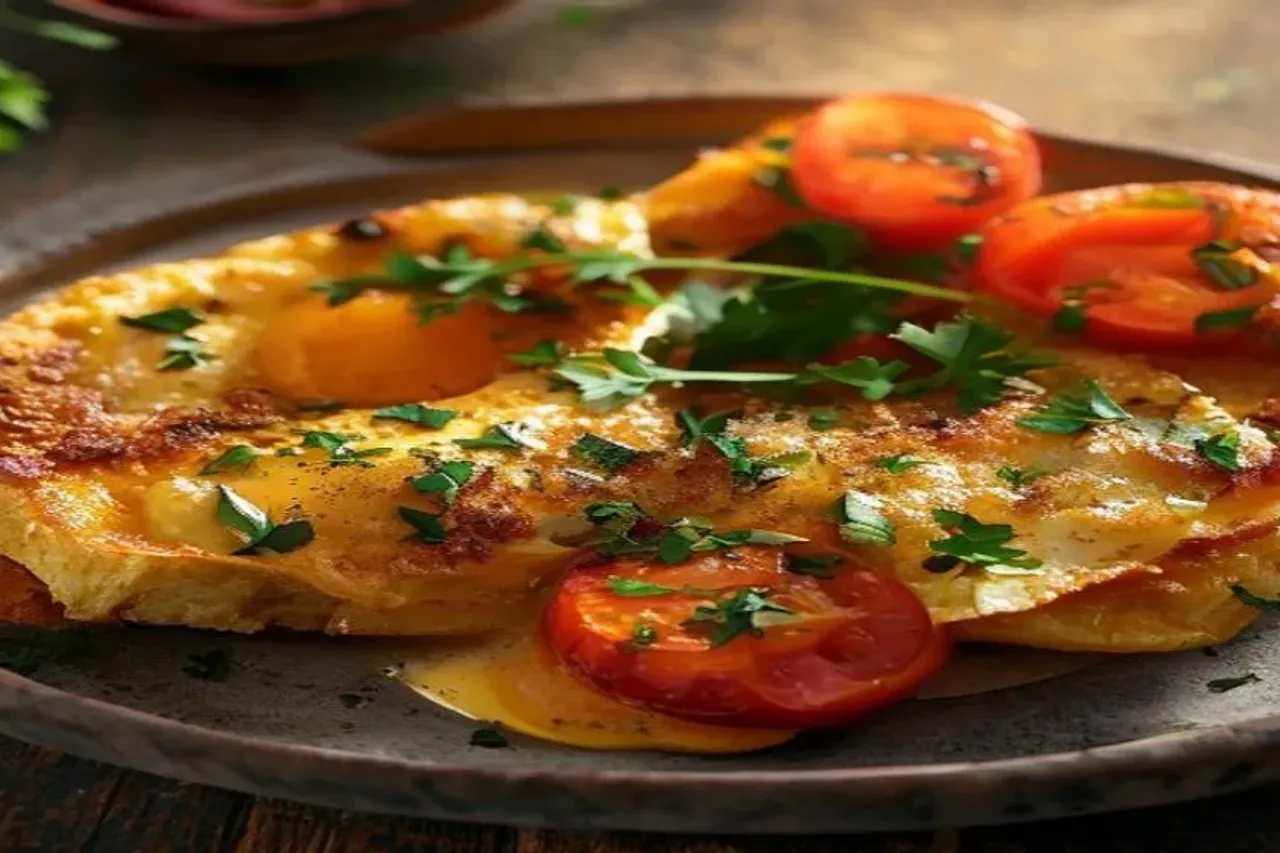
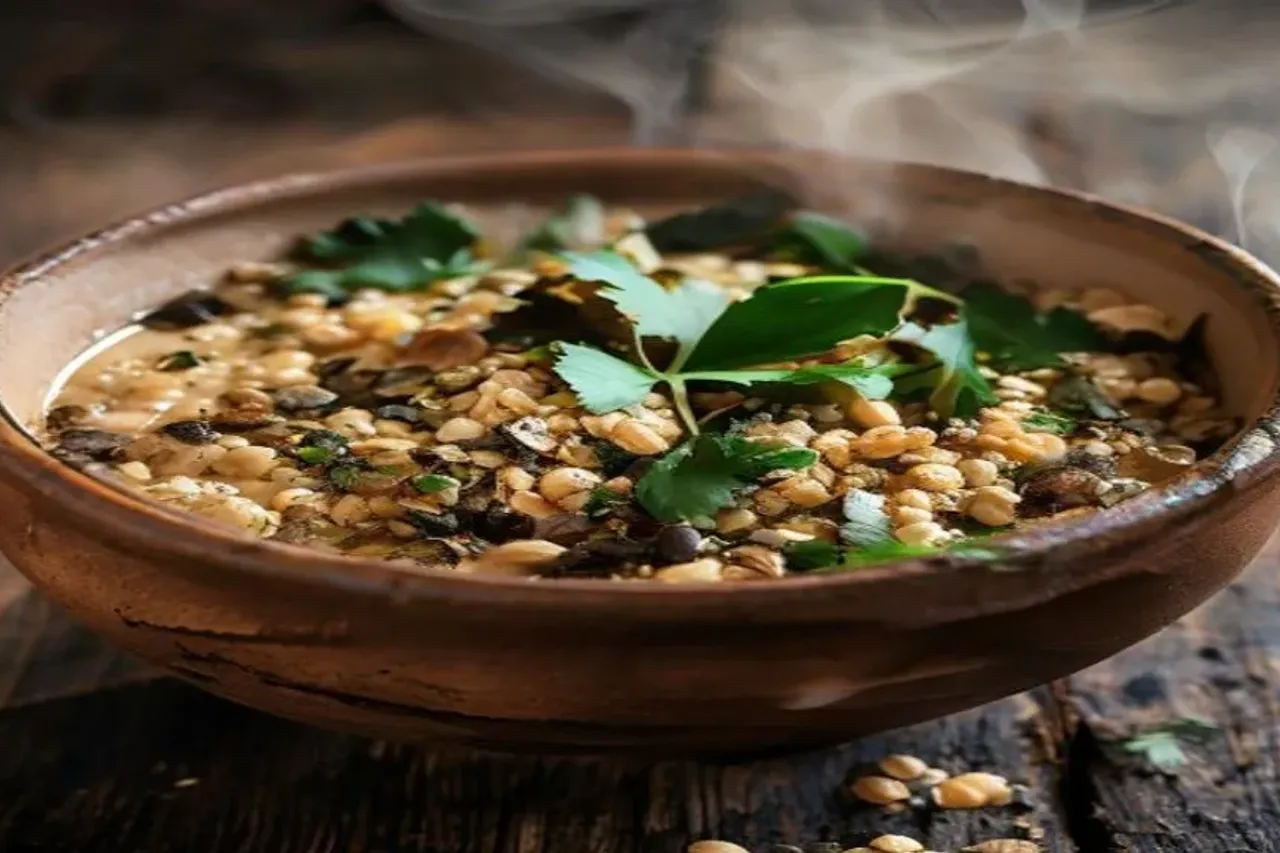
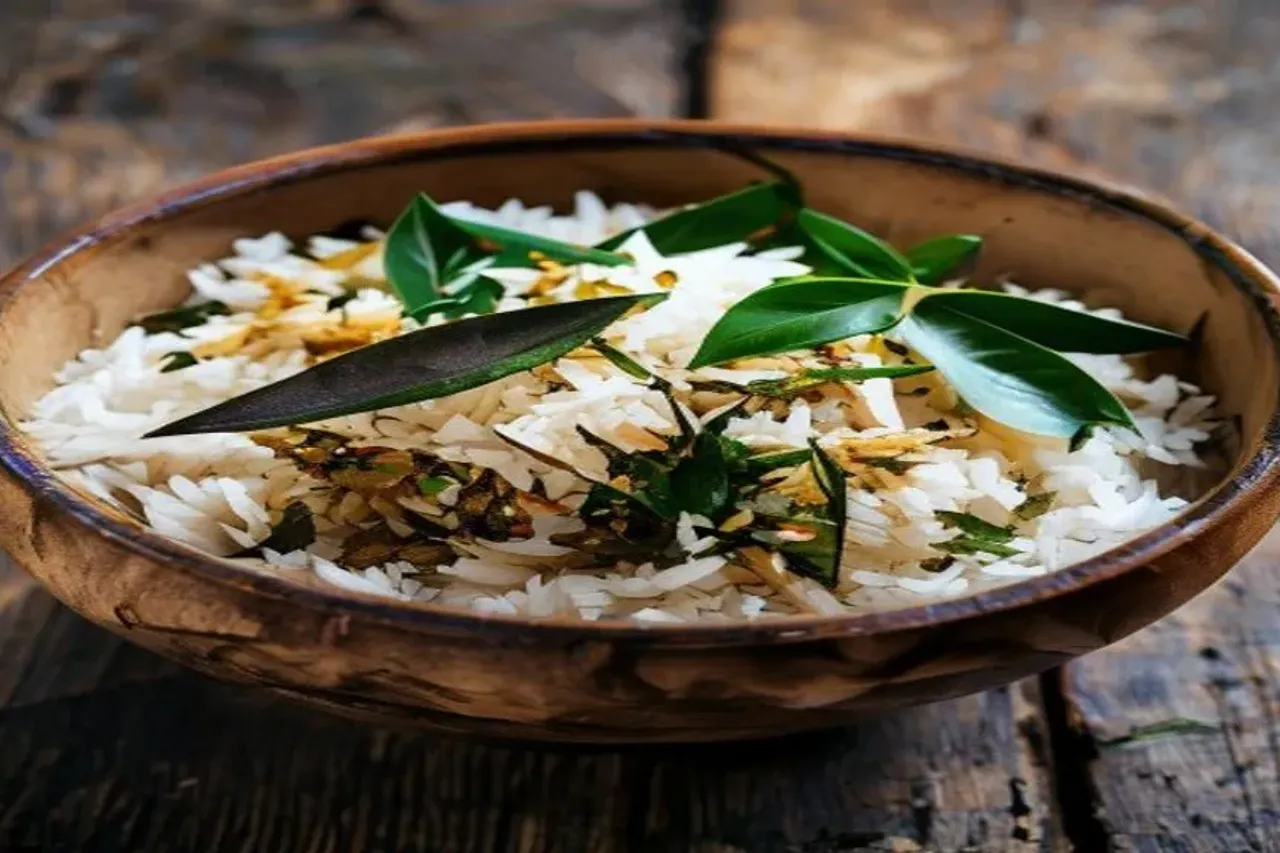
🏺 Explore More Royal Feasts
Lift the lid on these timeless delicacies
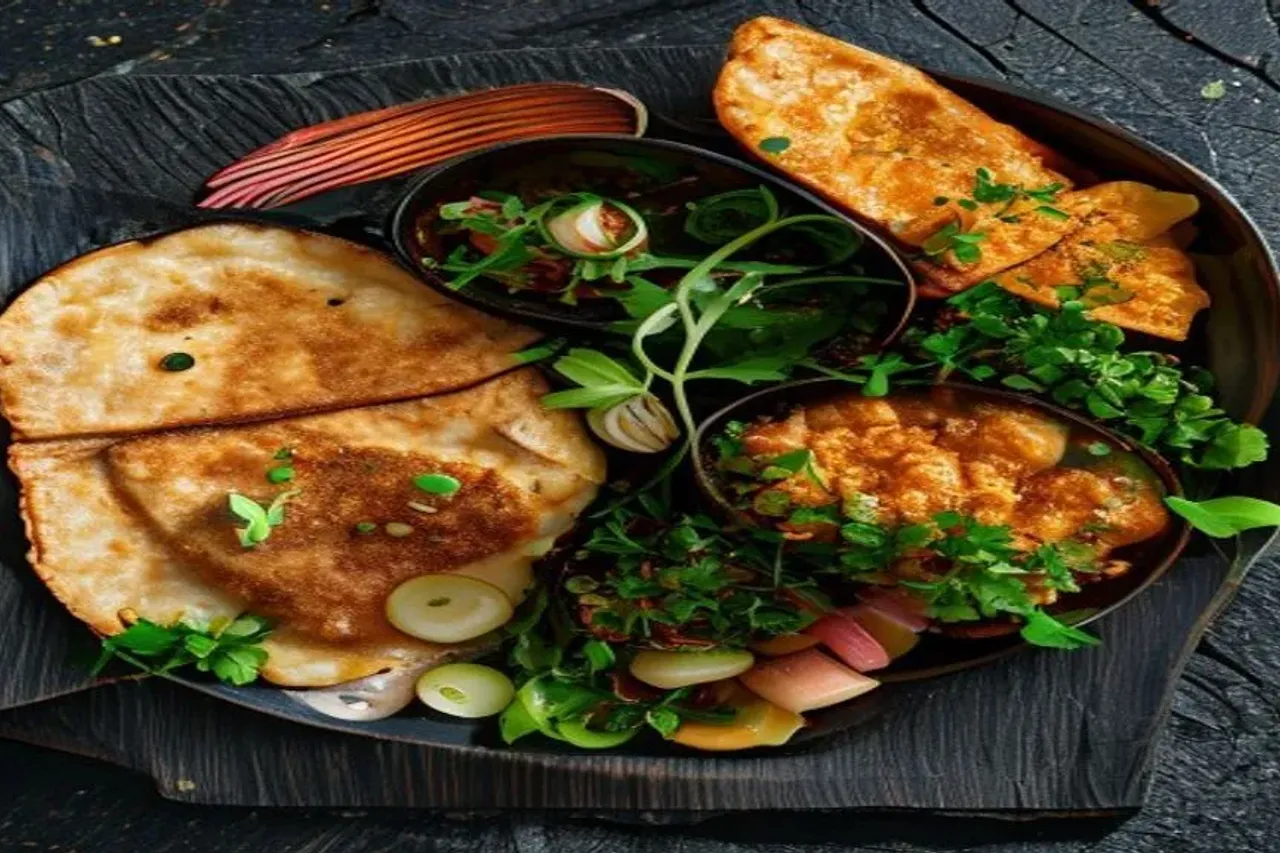
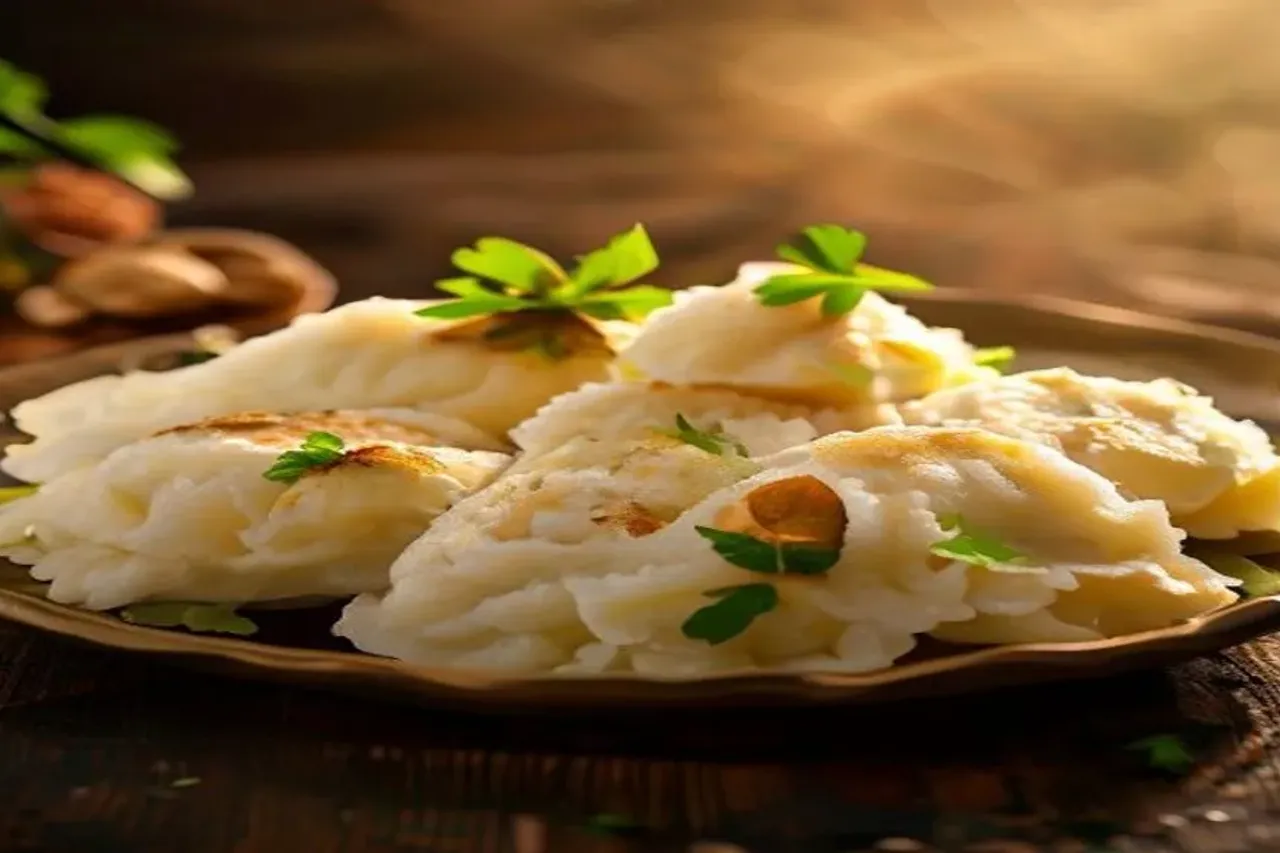
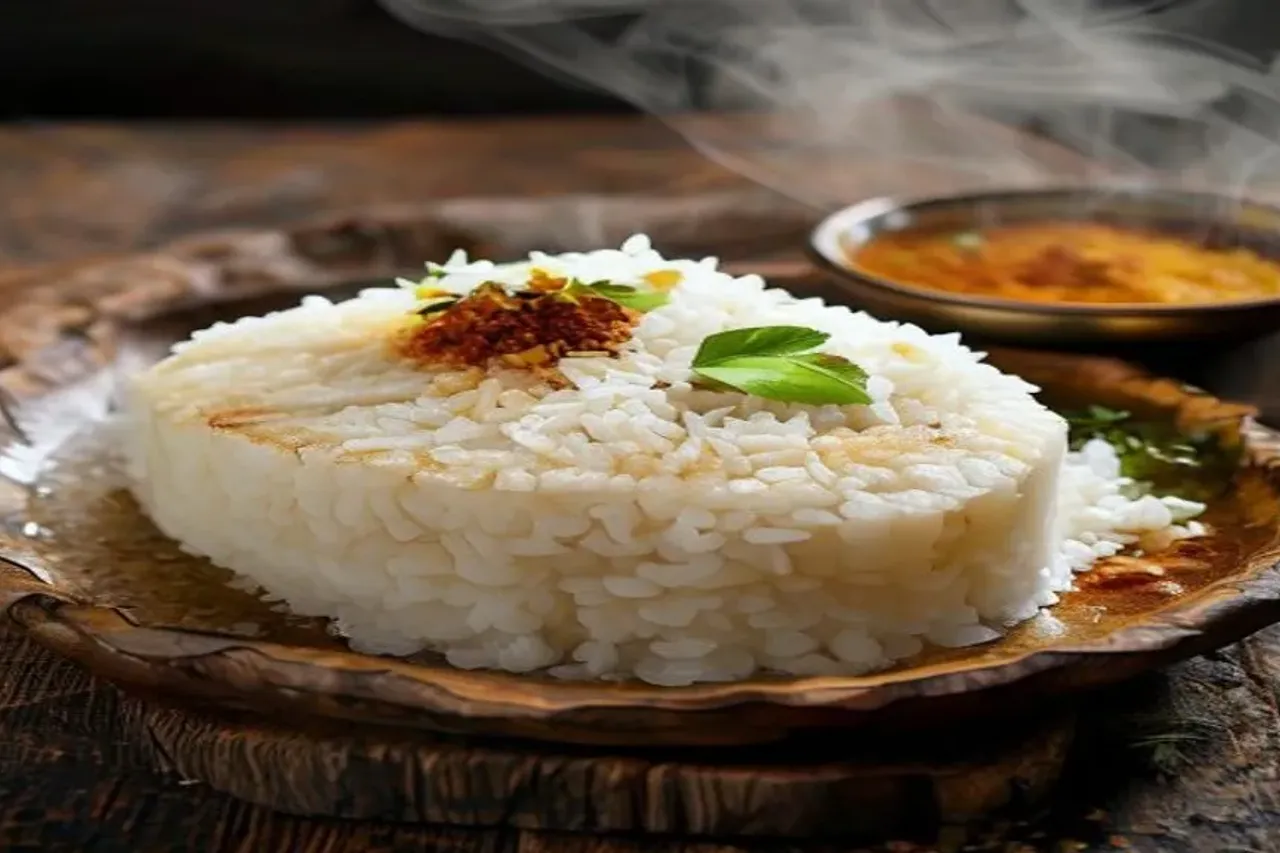
Make Us Your Preferred Culinary Source
Prioritize Ages & Spices in your Google Discover, Top Stories, and AI search feed with one tap.
🎭How does this recipe make you feel?
Tap a reaction to share your vibe
Starch Retrogradation Reversal
Storage Science
Store at room temperature in a breathable bread bag or paper wrapper for up to 2 days. DO NOT refrigerate, as the cold accelerates starch retrogradation (staling). For long-term storage, freeze tightly wrapped.
Reheating Science
To reverse staling, flick a few drops of water onto the crust and reheat in a 350°F (175°C) oven for 5-8 minutes. The steam will re-gelatinize the starches, making the crumb soft and the crust crisp.
Taster's Notes
Community Feedback
0 Comments
Be the first to leave a note on this recipe!