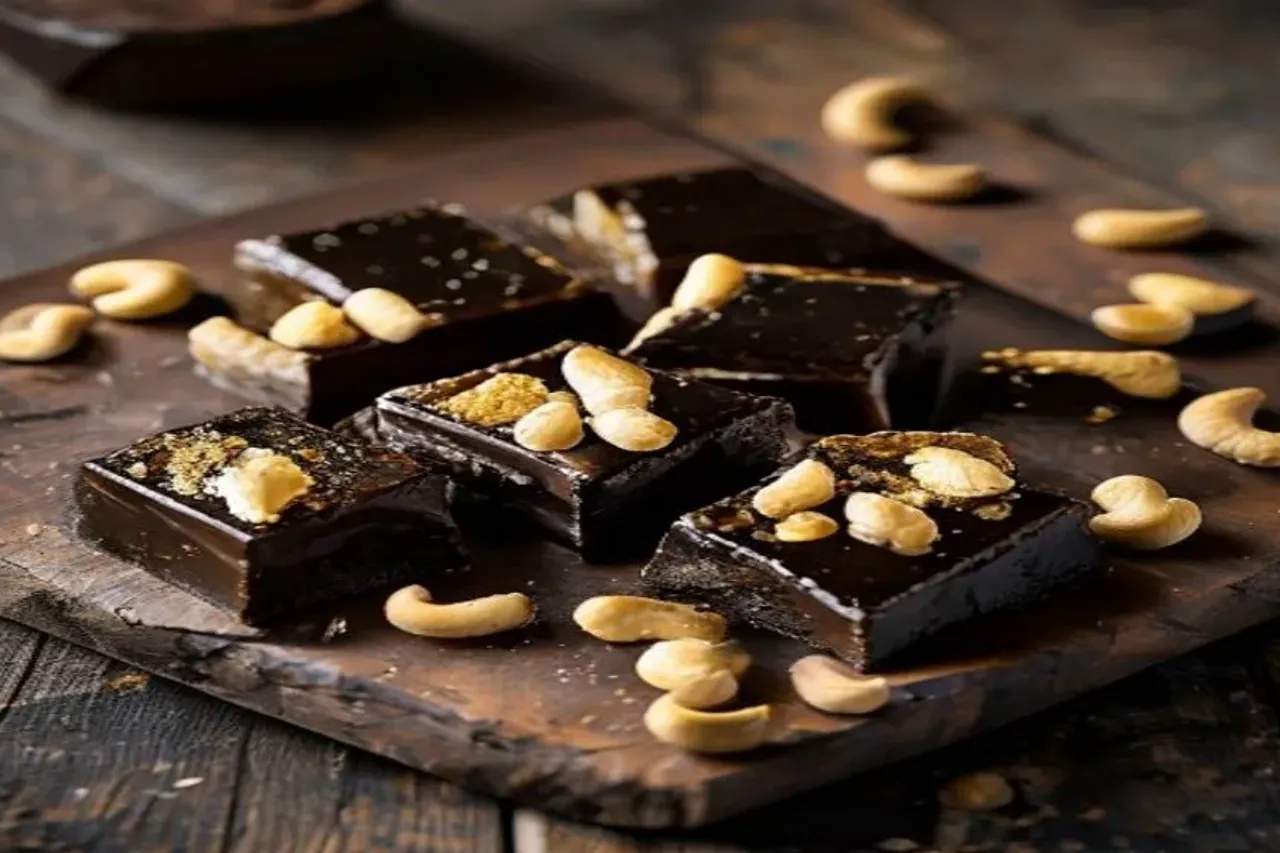
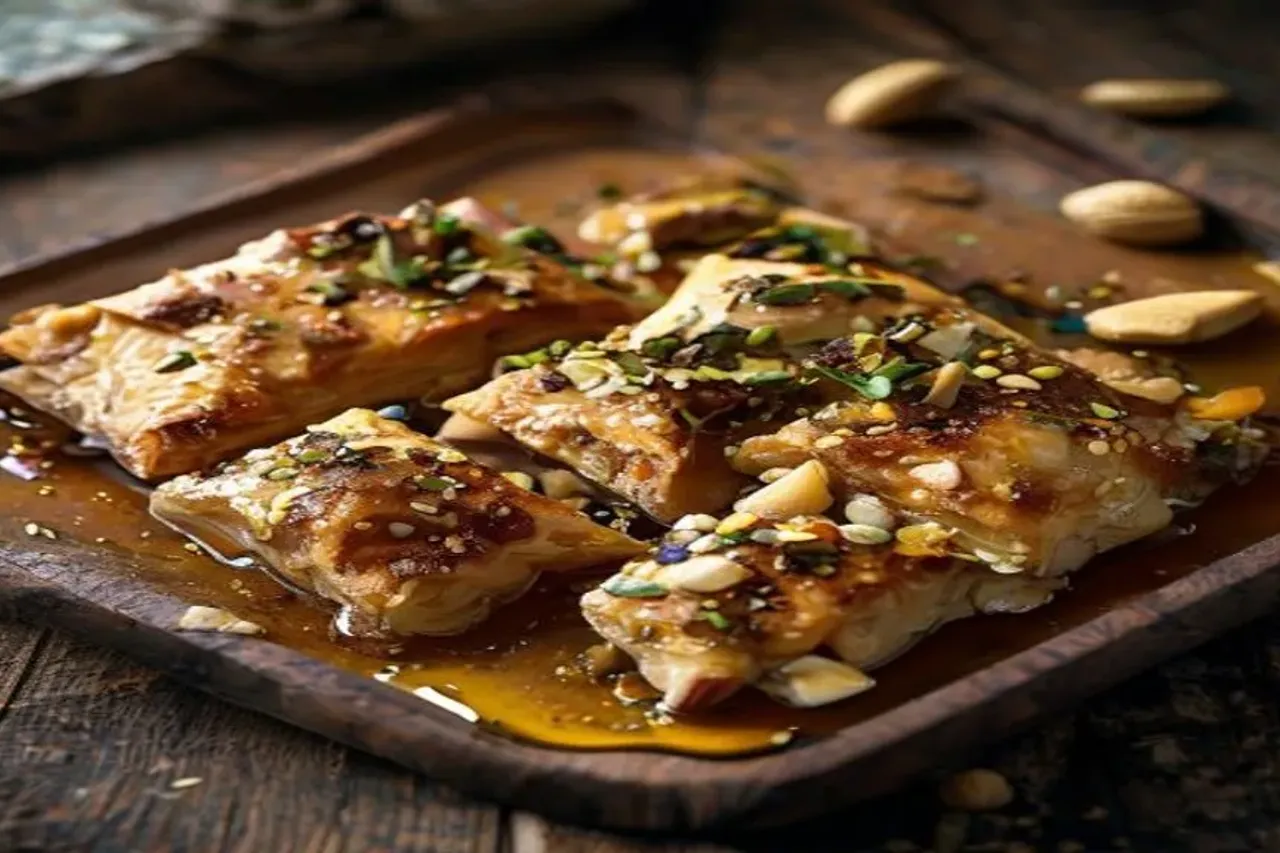
How to Make Classic Kerala Black Jaggery Halwa Recipe
Royal Nutritional Ledger *
For those counting their gold coins and their calories.
The Royal Disclaimer: These figures are calculated by our finest AI court scholars based on standard ingredient values. They are highly educated estimates meant for guidance, not gospel. If you require absolute scientific precision for medical or dietary salvation, please consult a certified physician rather than our kitchen AI!
Did You Know?
Historical Tidbit
The dark color is traditionally achieved by using a specific high-quality, dark-colored jaggery that provides deep molasses notes.
First time here? Click the button above to automatically send all these ingredients to your highest-paying local grocery delivery app.
⚖️ The Modernizer
Missing extinct ingredients? Swap for accessible modern alternatives.
The Golden Rule
"Never walk away from the stove. The moment you turn your back to check your phone, the halwa will scorch and your dreams of culinary glory will vanish."
Ingredients
7 items required
Make Us Your Preferred Culinary Source
AI Emergency Hub
Hit a snag while prepping? Our elite AI tools are here to save your dish.
Missing an Ingredient?
Recipe Disaster?
Chef's Notes
Do not attempt to rush the darkening process by turning up the heat. True majesty takes time, patience, and an unwavering commitment to the stir.
Pro Tip
Always use a heavy-bottomed cast iron or brass kadai. A thin pan will betray your efforts and burn the bottom before the coconut milk even knows what hit it.
Kitchen Catastrophe Warning
Leaving the heat on high to speed things up, resulting in a burnt, bitter rock of blackened sugar that smells like an industrial accident rather than a dessert.
The Jester's Corner
Royal Court Comedy
I asked the Jester if he liked the halwa, and he said it looks like a brick I dropped on my foot, but tastes like heaven.
The Culinary Science
The iconic black color is not food coloring; it is the natural caramelization of sucrose in dark jaggery reacting with the amino acids and reducing sugars over a long, slow heat.
Make Us Your Preferred Culinary Source
Prioritize Ages & Spices in your Google Discover, Top Stories, and AI search feed with one tap.
🎭How does this recipe make you feel?
Tap a reaction to share your vibe
General Food Safety & Storage
Storage Science
Cool rapidly. Store in an airtight container in the refrigerator (below 4°C / 40°F). Consume within 3-4 days.
Reheating Science
Reheat to an internal temperature of 165°F (74°C). Use the stove or oven for best texture, stirring or turning occasionally to ensure even heating.


Taster's Notes
Community Feedback
0 Comments
Be the first to leave a note on this recipe!