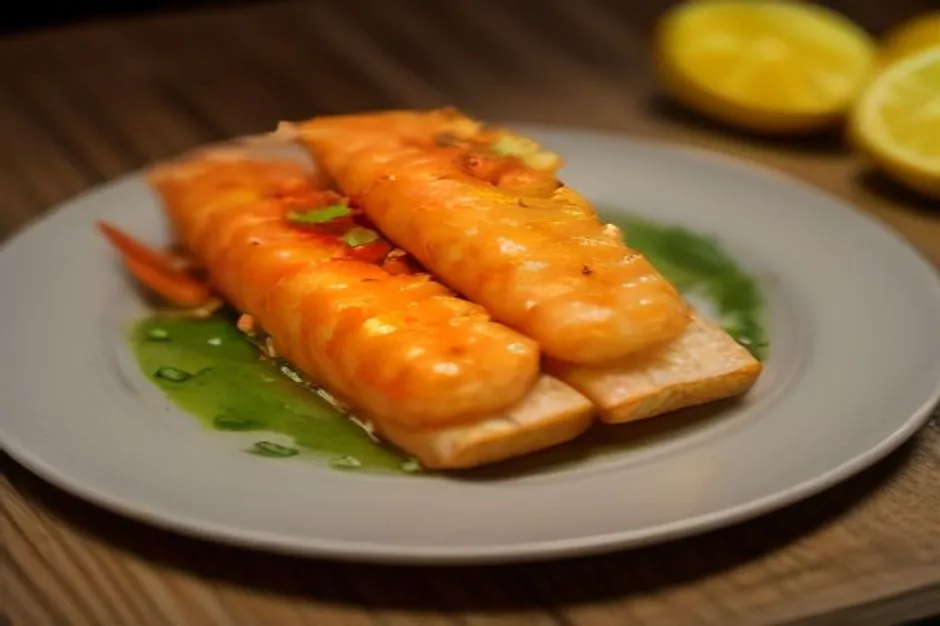
The Ultimate Argentine Prawn Roast Recipe
Royal Nutritional Ledger *
For those counting their gold coins and their calories.
The Royal Disclaimer: These figures are calculated by our finest AI court scholars based on standard ingredient values. They are highly educated estimates meant for guidance, not gospel. If you require absolute scientific precision for medical or dietary salvation, please consult a certified physician rather than our kitchen AI!
Part of our Auto-Drip Master Index
Did You Know?
Historical Tidbit
Argentine red prawns are naturally sweet and delicate, tasting remarkably similar to lobster.
First time here? Click the button above to automatically send all these ingredients to your highest-paying local grocery delivery app.
⚖️ The Modernizer
Missing extinct ingredients? Swap for accessible modern alternatives.
The Golden Rule
"High heat and short cooking time are the absolute laws of the seafood kingdom."
Ingredients
9 items required
Make Us Your Preferred Culinary Source
AI Emergency Hub
Hit a snag while prepping? Our elite AI tools are here to save your dish.
Missing an Ingredient?
Recipe Disaster?
Chef's Notes
Always leave the shells on if you want maximum flavor retention during the roasting process.
Pro Tip
Do not overcook them! Prawns transition from succulent to rubbery faster than a politician changing promises.
Kitchen Catastrophe Warning
Leaving the prawns in the oven for an extra five minutes, turning your expensive crustaceans into expensive rubber erasers.
The Jester's Corner
Royal Court Comedy
Why did the prawn blush? Because it saw the garlic butter coming!
The Culinary Science
The red pigment in prawns is astaxanthin, a powerful antioxidant that turns bright red when exposed to heat.
Make Us Your Preferred Culinary Source
Prioritize Ages & Spices in your Google Discover, Top Stories, and AI search feed with one tap.
🎭How does this recipe make you feel?
Tap a reaction to share your vibe
Delicate Protein Preservation
Storage Science
Cool quickly and refrigerate in an airtight container immediately. Seafood degrades rapidly; consume within 24 to 48 hours maximum.
Reheating Science
DO NOT microwave on high. Seafood proteins tighten and become rubbery when rapidly heated. Reheat gently in a covered pan over low heat with a splash of water or stock to create gentle steam, preserving moisture.
Taster's Notes
Community Feedback
0 Comments
Be the first to leave a note on this recipe!