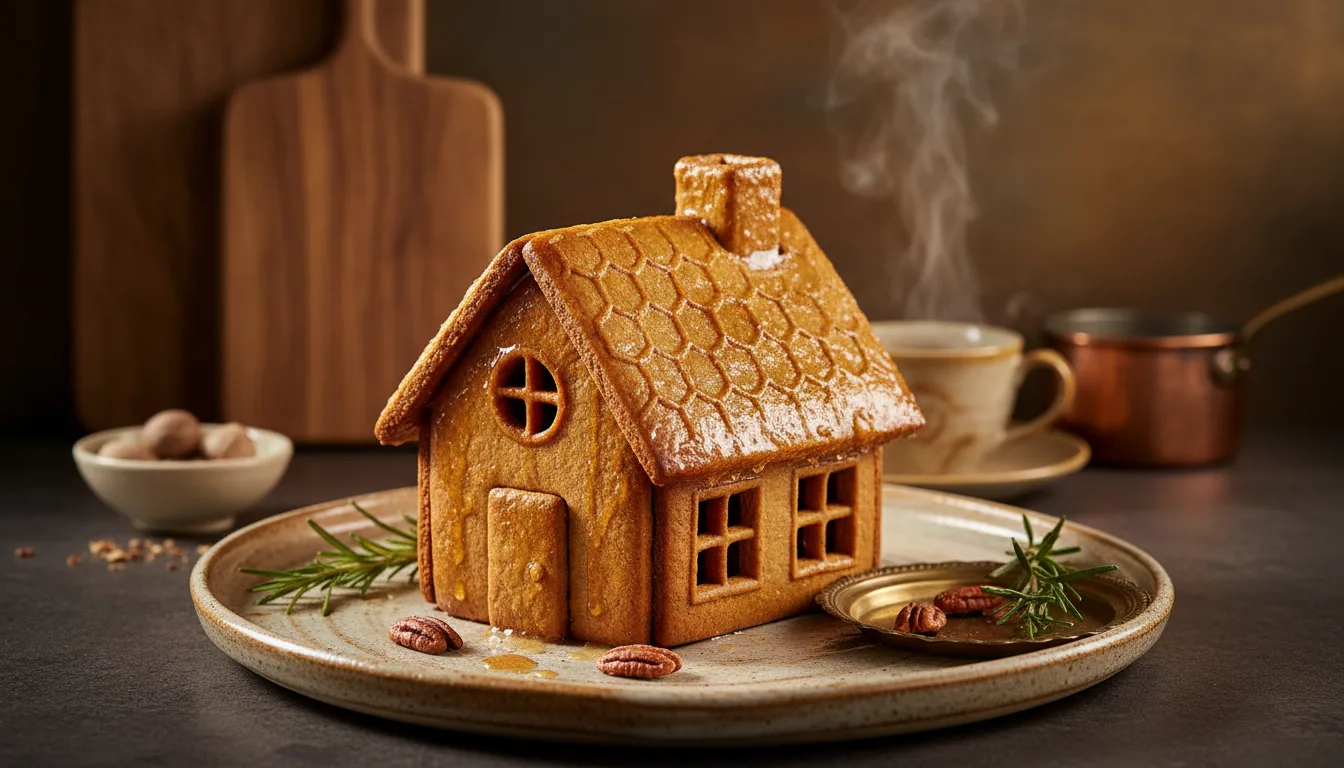
The Ultimate Authentic Gingerbread House Recipe
Royal Nutritional Ledger *
For those counting their gold coins and their calories.
The Royal Disclaimer: These figures are calculated by our finest AI court scholars based on standard ingredient values. They are highly educated estimates meant for guidance, not gospel. If you require absolute scientific precision for medical or dietary salvation, please consult a certified physician rather than our kitchen AI!
Part of our Christmas Master Index
Did You Know?
Historical Tidbit
The tradition of gingerbread houses originated in 16th-century Germany, inspired by the Brothers Grimm tale of Hansel and Gretel.
First time here? Click the button above to automatically send all these ingredients to your highest-paying local grocery delivery app.
⚖️ The Modernizer
Missing extinct ingredients? Swap for accessible modern alternatives.
The Golden Rule
"Never rush the royal icing drying time; patience is the literal glue that prevents architectural collapse."
Ingredients
13 items required
Make Us Your Preferred Culinary Source
AI Emergency Hub
Hit a snag while prepping? Our elite AI tools are here to save your dish.
Missing an Ingredient?
Recipe Disaster?
Chef's Notes
Treat your gingerbread dough like fine masonry; precision in rolling and trimming is the secret to walls that do not lean like the Tower of Pisa.
Pro Tip
If your dough starts warming up and sticking to the template while cutting, pop the whole tray into the freezer for five minutes to firm the edges back up.
Kitchen Catastrophe Warning
Attempting to assemble the house while the freshly baked panels are still remotely warm, resulting in a tragic structural meltdown where your walls slide away like melting glaciers.
The Jester's Corner
Royal Court Comedy
Why is it called a 'Gingerbread House'? Because 'Inedible Sugar-Bricks of Sadness' didn't fit on the marketing brochure.
The Culinary Science
Molasses contains inverted sugars and organic acids that react with baking powder while locking in moisture, giving gingerbread its iconic dense, structural integrity rather than a fluffy cake-like crumb.
Explore Curated Feast Collections
Discover 90+ themed festive banquets, seasonal menus, and imperial regional feasts.
🏺 Explore More Royal Feasts
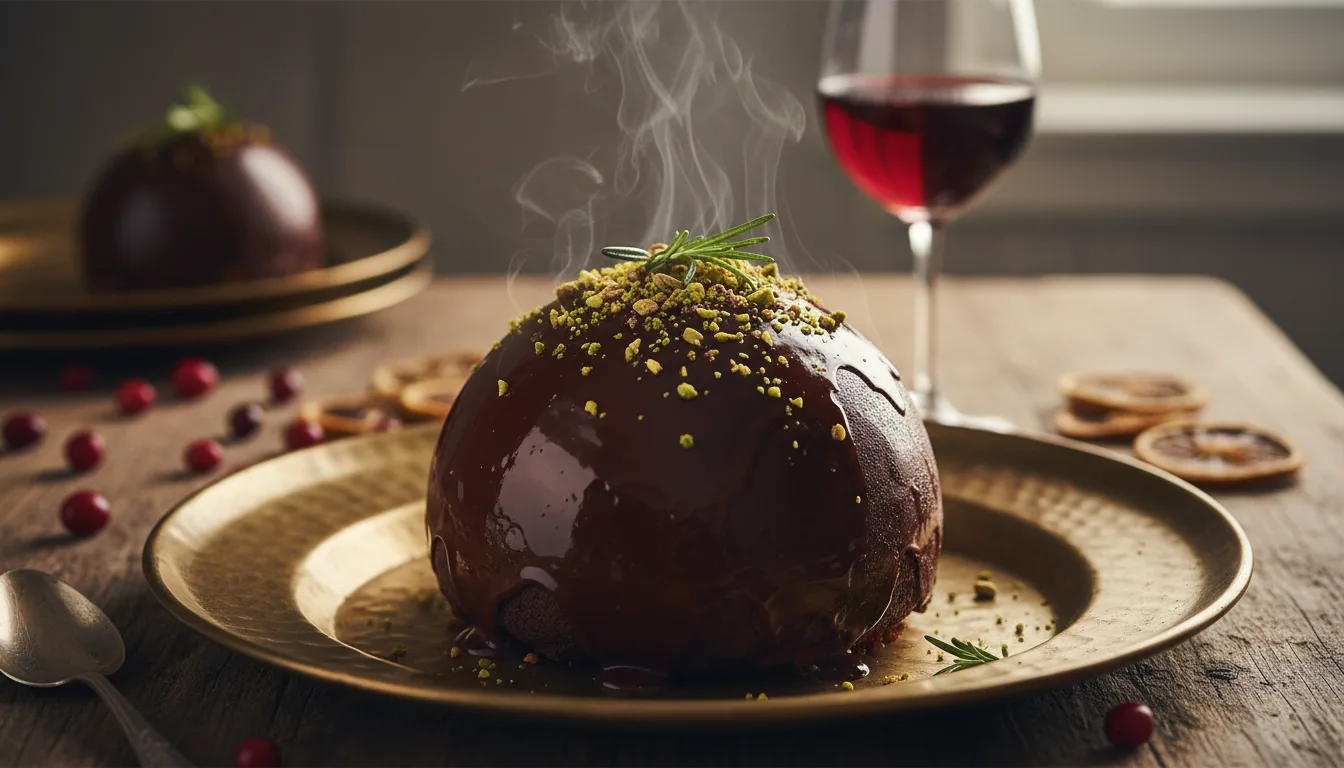
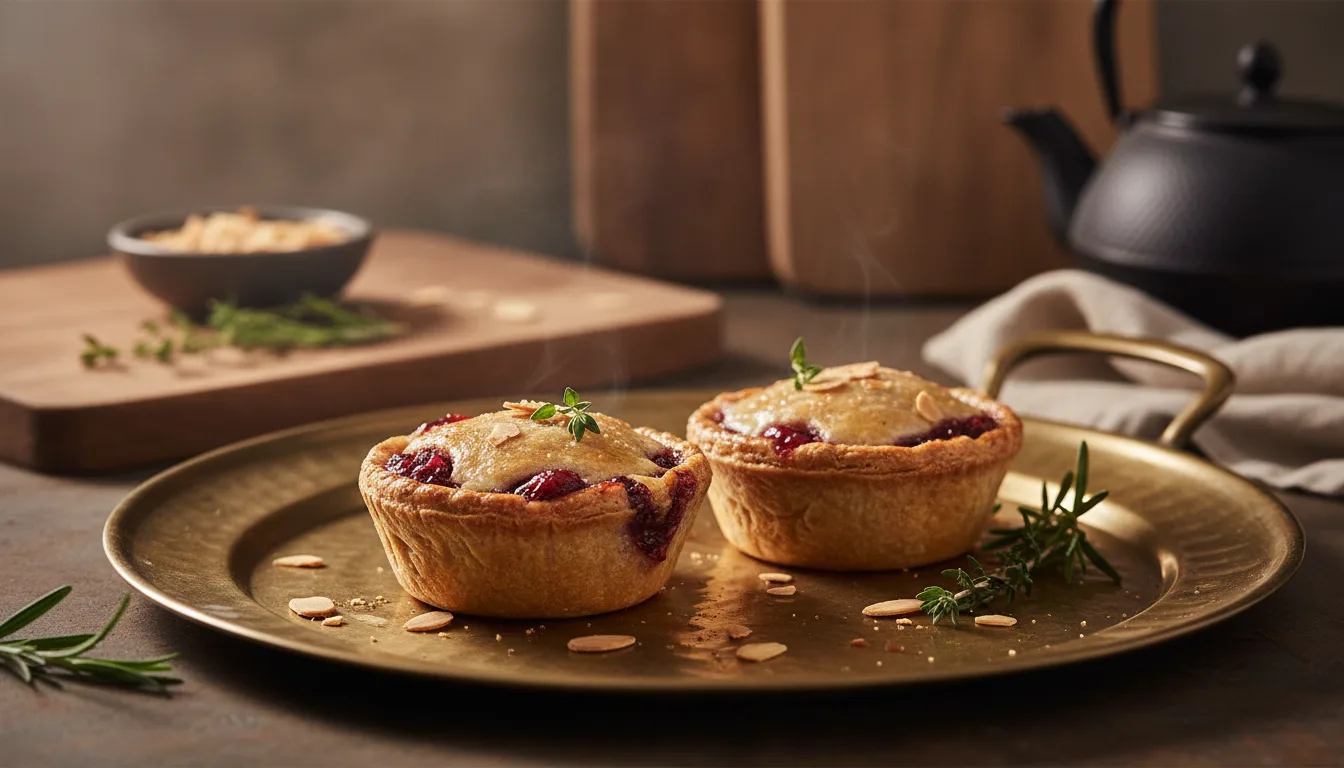
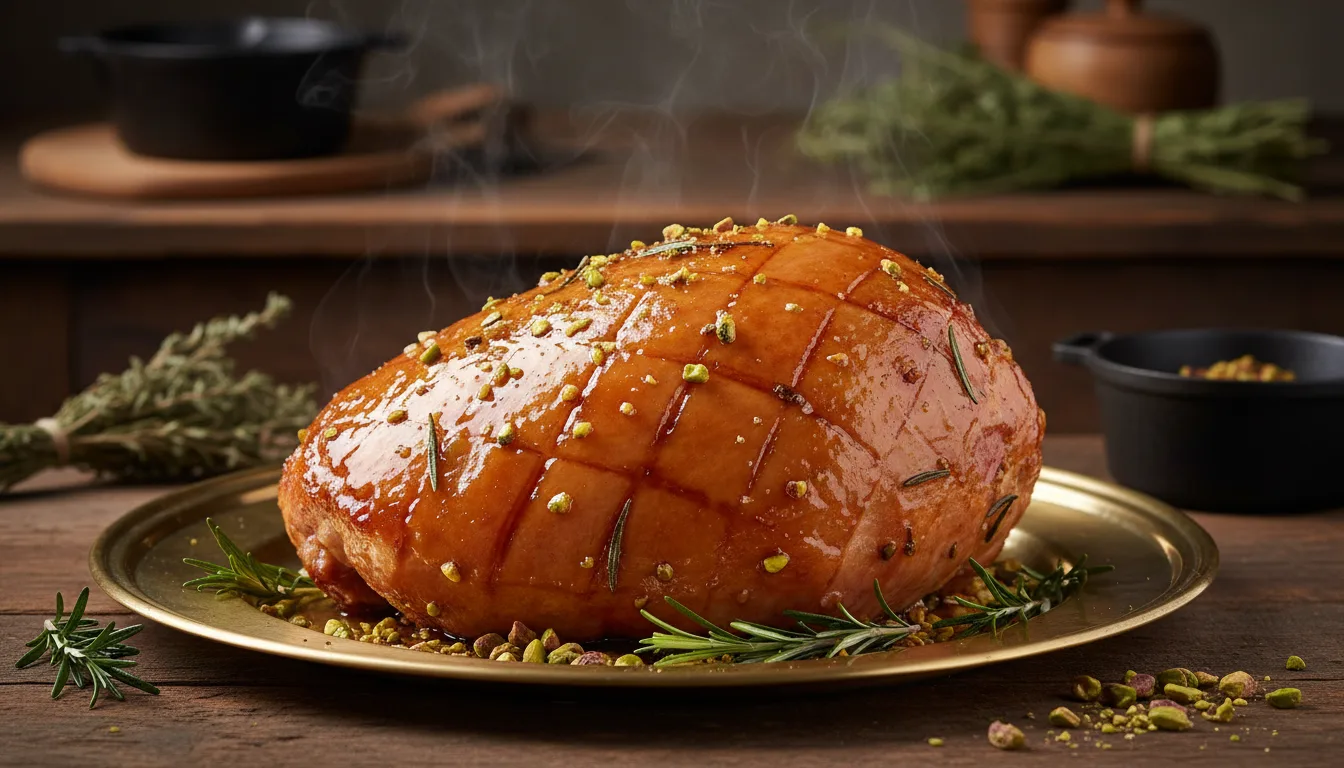
Lift the lid on these timeless delicacies
Make Us Your Preferred Culinary Source
Prioritize Ages & Spices in your Google Discover, Top Stories, and AI search feed with one tap.
🎭How does this recipe make you feel?
Tap a reaction to share your vibe
Starch Retrogradation Reversal
Storage Science
Store at room temperature in a breathable bread bag or paper wrapper for up to 2 days. DO NOT refrigerate, as the cold accelerates starch retrogradation (staling). For long-term storage, freeze tightly wrapped.
Reheating Science
To reverse staling, flick a few drops of water onto the crust and reheat in a 350°F (175°C) oven for 5-8 minutes. The steam will re-gelatinize the starches, making the crumb soft and the crust crisp.
Taster's Notes
Community Feedback
0 Comments
Be the first to leave a note on this recipe!