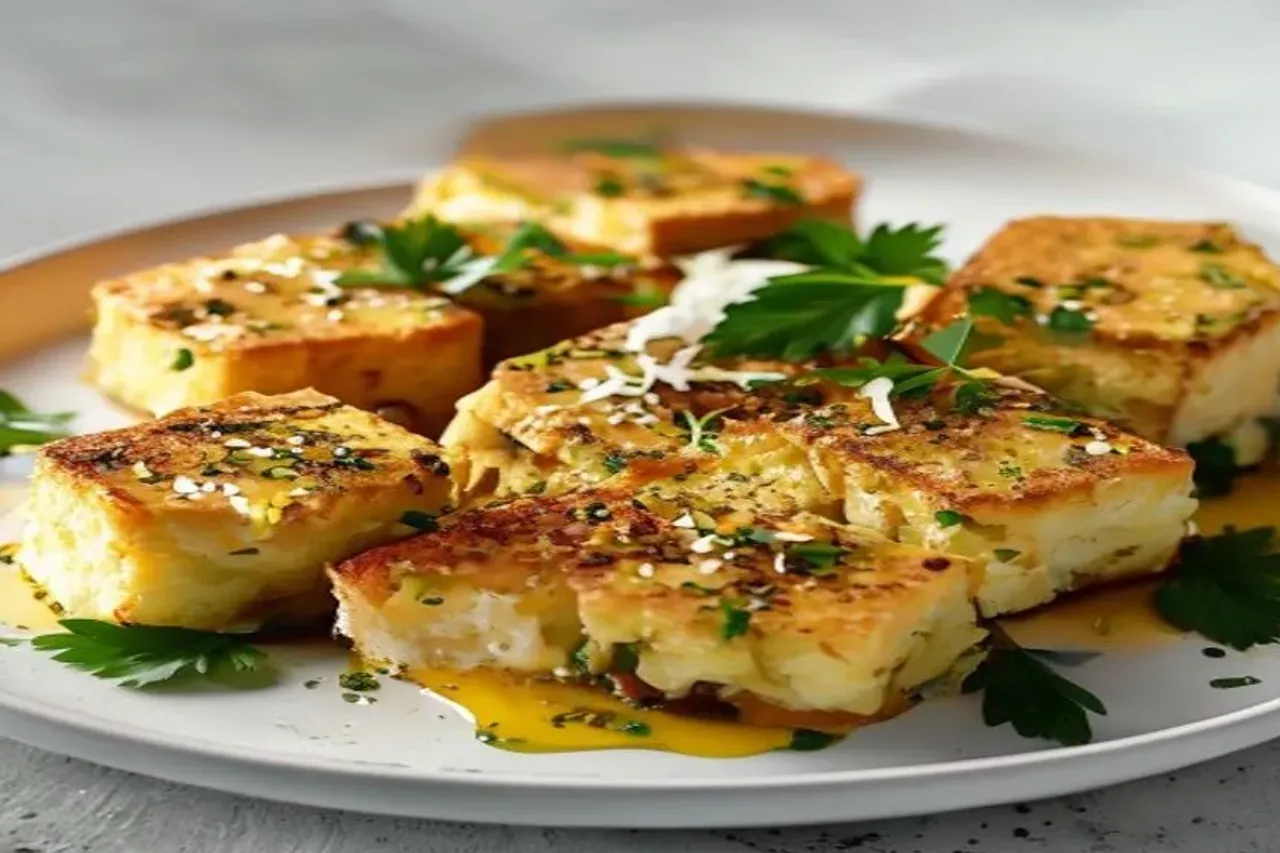
The Ultimate Authentic Lentil Dhokla Recipe
Royal Nutritional Ledger *
For those counting their gold coins and their calories.
The Royal Disclaimer: These figures are calculated by our finest AI court scholars based on standard ingredient values. They are highly educated estimates meant for guidance, not gospel. If you require absolute scientific precision for medical or dietary salvation, please consult a certified physician rather than our kitchen AI!
Did You Know?
Historical Tidbit
Dhokla is a traditional Gujarati delicacy that has been a breakfast staple for centuries due to its high nutritional value.
First time here? Click the button above to automatically send all these ingredients to your highest-paying local grocery delivery app.
⚖️ The Modernizer
Missing extinct ingredients? Swap for accessible modern alternatives.
The Golden Rule
"Never cut the dhokla while it is hot! Patience is the secret weapon; letting it cool completely ensures your neat cubes hold their shape instead of crumbling into sad crumbs."
Ingredients
23 items required
Make Us Your Preferred Culinary Source
AI Emergency Hub
Hit a snag while prepping? Our elite AI tools are here to save your dish.
Missing an Ingredient?
Recipe Disaster?
Chef's Notes
Do not rush the soaking and fermentation times! This recipe relies entirely on natural biological magic, so respect the clock if you want that legendary, melt-in-the-mouth fluffiness.
Pro Tip
Always ensure your steamer water is already boiling before you place the dhokla pan inside. A hot start guarantees maximum rise and prevents a dense, soggy disaster.
Kitchen Catastrophe Warning
Failing to let the batter ferment long enough, which results in a brick-heavy dhokla so dense it could literally be used as construction material for a medieval fortress.
The Jester's Corner
Royal Court Comedy
Why did the dhokla cross the road? To prove to the side dish that it could be a main course if it just believed in its own fluffiness.
The Culinary Science
The magic behind the eno fruit salt is an acid-base reaction. When citric acid meets sodium bicarbonate in water, they instantly release carbon dioxide gas, trapping bubbles to give you an ultra-airy sponge.
Make Us Your Preferred Culinary Source
Prioritize Ages & Spices in your Google Discover, Top Stories, and AI search feed with one tap.
🎭How does this recipe make you feel?
Tap a reaction to share your vibe
General Food Safety & Storage
Storage Science
Cool rapidly. Store in an airtight container in the refrigerator (below 4°C / 40°F). Consume within 3-4 days.
Reheating Science
Reheat to an internal temperature of 165°F (74°C). Use the stove or oven for best texture, stirring or turning occasionally to ensure even heating.
Taster's Notes
Community Feedback
0 Comments
Be the first to leave a note on this recipe!