The Ultimate Authentic Maharashtrian Bhogichi Bhaji Recipe (Winter Harvest Sesame Curry)
Royal Nutritional Ledger *
For those counting their gold coins and their calories.
The Royal Disclaimer: These figures are calculated by our finest AI court scholars based on standard ingredient values. They are highly educated estimates meant for guidance, not gospel. If you require absolute scientific precision for medical or dietary salvation, please consult a certified physician rather than our kitchen AI!
Part of our Curry Master Index
Did You Know?
Historical Tidbit
Bhogi is the first day of the four-day Makar Sankranti festival, primarily celebrated in Maharashtra, Andhra Pradesh, Telangana, and Tamil Nadu. It signifies the discarding of old and derelict things and ushering in the new.
First time here? Click the button above to automatically send all these ingredients to your highest-paying local grocery delivery app.
⚖️ The Modernizer
Missing extinct ingredients? Swap for accessible modern alternatives.
The Golden Rule
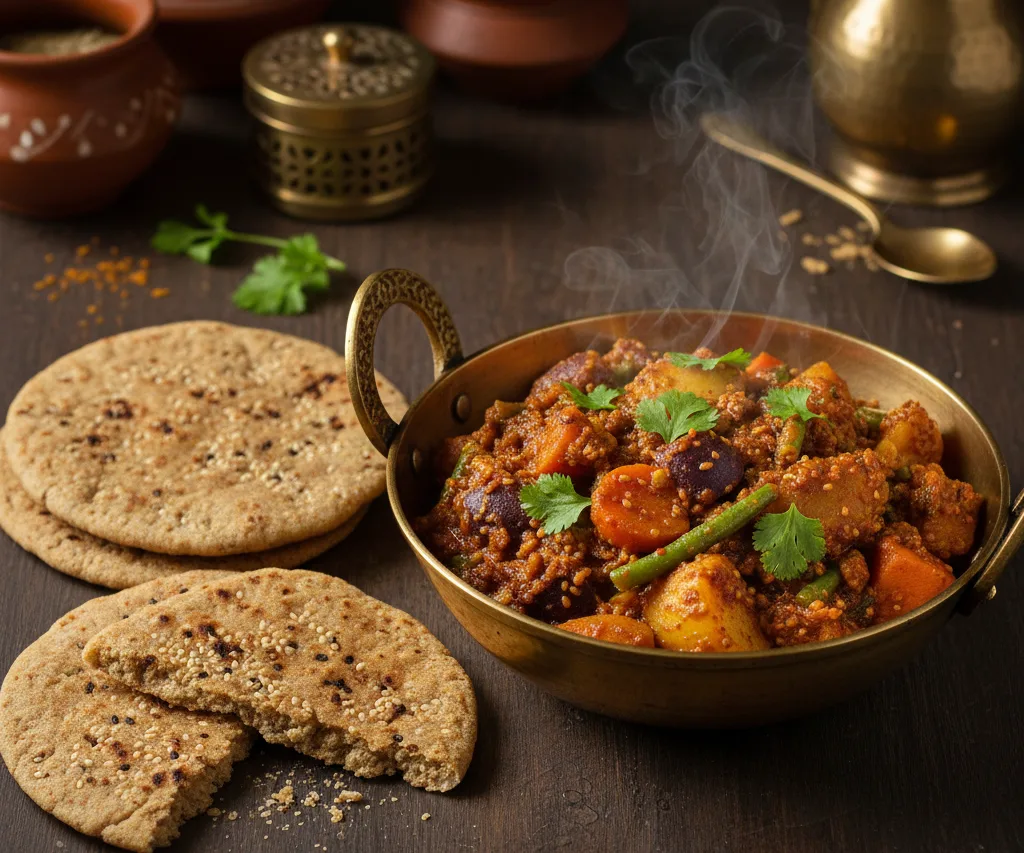
"The non-negotiable rule for an authentic Bhogichi Bhaji is the quality and freshness of your Goda Masala and the winter vegetables. A stale Goda Masala will yield a flat, uninspired curry, while limp or out-of-season vegetables will lack the vibrant taste and texture essential to this harvest celebration dish. Fresh is always best!"
Ingredients
26 items required
The Winter Harvest Medley:
The Aromatic Foundation:
The Heart of Maharashtrian Flavor:
The Fresh Garnish:
Make Us Your Preferred Culinary Source
AI Emergency Hub
Hit a snag while prepping? Our elite AI tools are here to save your dish.
Missing an Ingredient?
Recipe Disaster?
Chef's Notes
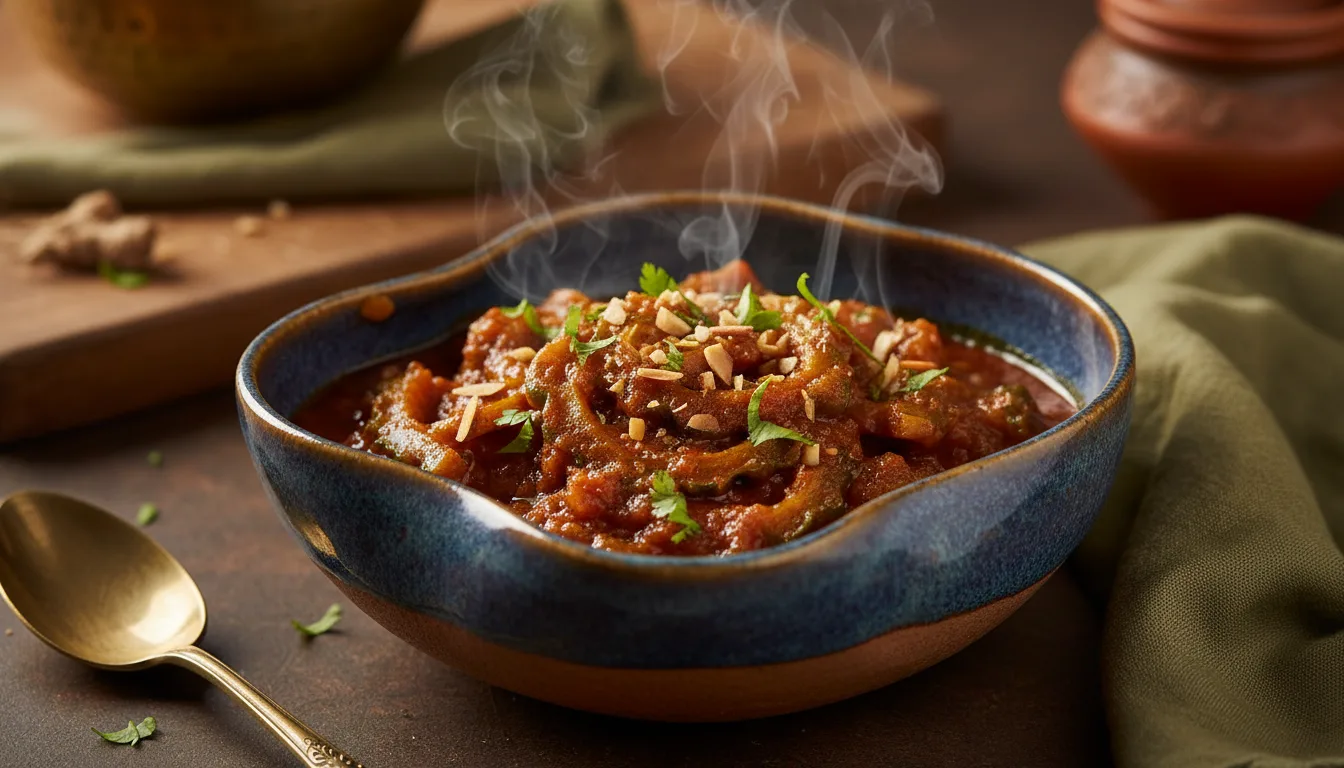
The essence of a perfect Bhogichi Bhaji lies in the harmonious interplay of textures and the depth of its unique spice blend. The vegetables should be tender but never mushy, each offering a distinct bite. The nutty base, enriched with sesame, peanuts, and coconut, must be velvety smooth, clinging to every vegetable without being overly thick. The Goda Masala is the soul of this dish, lending its characteristic sweet, savory, and aromatic complexity. Balance is key: ensure the natural sweetness of the carrots, the slight bitterness of the brinjal, and the earthy notes of the beans all shine through, unified by the rich, fragrant gravy.
Pro Tip
1. For maximum flavor, always toast your sesame seeds and roast your peanuts just before grinding. This activates their oils and deepens their nutty aroma, creating a more profound base for the curry.|||2. Introduce vegetables according to their cooking times. Start with harder vegetables like carrots and drumstick, then add quicker-cooking ones like brinjals and flat beans. This ensures all vegetables are perfectly cooked, not overdone or undercooked.|||3. To prevent brinjals from becoming too dark or bitter, soak them in salted water for 10-15 minutes after chopping, then drain thoroughly before adding to the curry. This also helps them retain their shape better during cooking.
Kitchen Catastrophe Warning
The most common catastrophe is a watery bhaji or overcooked, mushy vegetables. If your bhaji is too watery, remove the lid and increase the heat slightly to allow excess moisture to evaporate, stirring frequently to prevent sticking. If vegetables are overcooked, there's little to salvage their texture, but you can try to gently mash a few pieces to thicken the gravy and serve it as a rustic 'mash'. In the future, always add water judiciously and cook vegetables until just tender-crisp.
The Jester's Corner
Royal Court Comedy
My mother-in-law says her Bhogichi Bhaji is so authentic, it remembers the exact year the first brinjal was planted. Mine just remembers when I last bought Goda Masala.
The Culinary Science
The richness and body of Bhogichi Bhaji come from the emulsification of fats from groundnuts, sesame seeds, and coconut. These ingredients contain natural oils that, when finely ground and cooked with water, create a stable emulsion. This emulsion traps flavor compounds (many of which are fat-soluble) and provides a creamy mouthfeel, allowing the spices and vegetable flavors to be delivered more effectively to the palate. The proteins and starches in these ingredients also contribute to the thickening of the gravy through gelatinization and denaturation.
Explore Curated Feast Collections
Discover 90+ themed festive banquets, seasonal menus, and imperial regional feasts.
Make Us Your Preferred Culinary Source
Prioritize Ages & Spices in your Google Discover, Top Stories, and AI search feed with one tap.
🎭How does this recipe make you feel?
Tap a reaction to share your vibe
Flavor Maturation & Emulsion Protection
Storage Science
Cool rapidly in a shallow container before refrigerating. Curries and stews often taste better on day two as aromatic compounds continue to bloom and mingle in the fat matrix. Consume within 4 days.
Reheating Science
Reheat slowly on the stovetop over medium-low heat, stirring gently. If the fat has separated (broken emulsion), add a tablespoon of boiling water and whisk vigorously to re-emulsify before serving.
Taster's Notes
Community Feedback
0 Comments
Be the first to leave a note on this recipe!