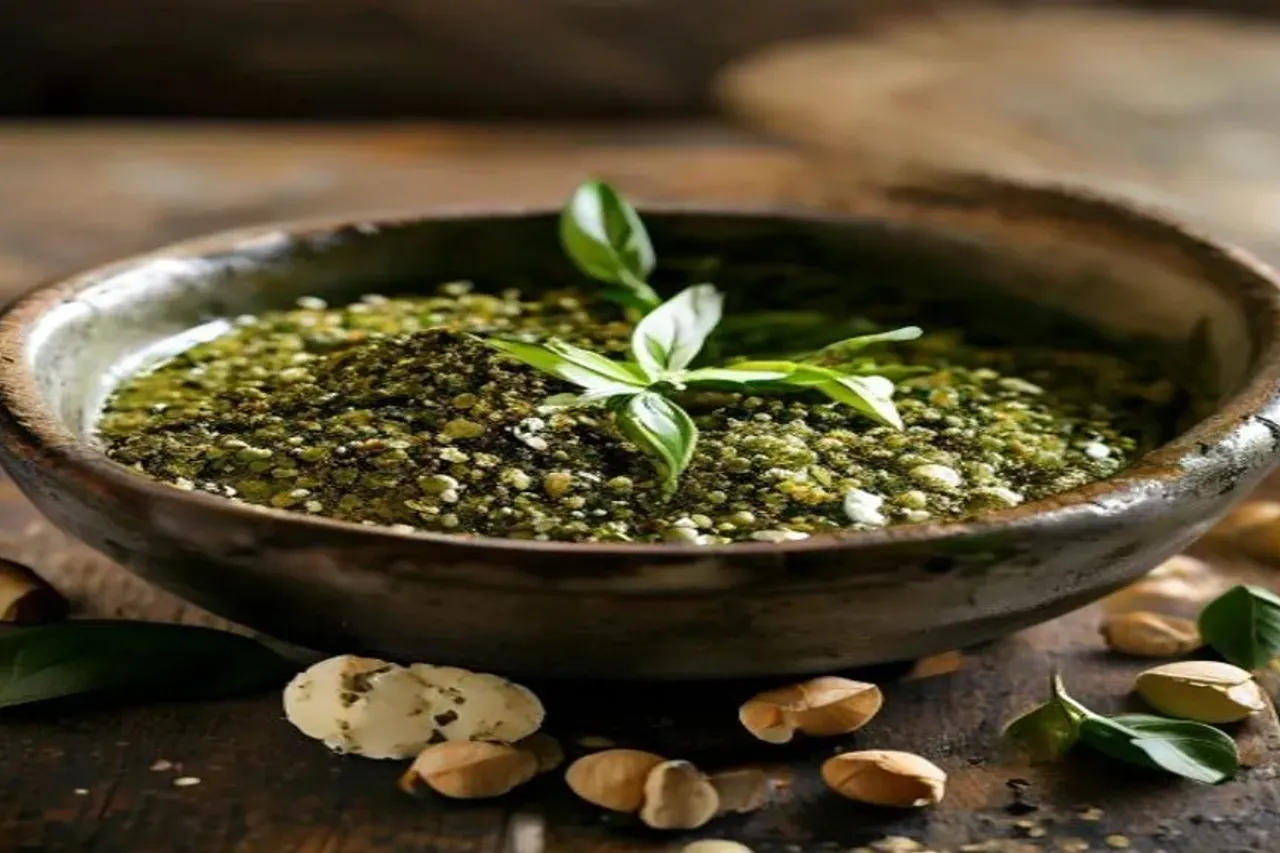
The Ultimate Authentic Pesto Recipe
Royal Nutritional Ledger *
For those counting their gold coins and their calories.
The Royal Disclaimer: These figures are calculated by our finest AI court scholars based on standard ingredient values. They are highly educated estimates meant for guidance, not gospel. If you require absolute scientific precision for medical or dietary salvation, please consult a certified physician rather than our kitchen AI!
Did You Know?
Historical Tidbit
The word pesto comes from the Italian verb 'pestare,' which literally means to pound or crush.
First time here? Click the button above to automatically send all these ingredients to your highest-paying local grocery delivery app.
⚖️ The Modernizer
Missing extinct ingredients? Swap for accessible modern alternatives.
The Golden Rule
"Add the cheese only after the basil and nuts are thoroughly pulverized; rushing the dairy into an unformed paste will result in a clumpy texture that refuses to emulsify properly with the olive oil."
Ingredients
6 items required
Make Us Your Preferred Culinary Source
AI Emergency Hub
Hit a snag while prepping? Our elite AI tools are here to save your dish.
Missing an Ingredient?
Recipe Disaster?
Chef's Notes
Do not even think about bringing a modern mechanical food processor near this recipe unless you enjoy a bitter, oxidized gray sludge. The friction of the stone mortar crushes the basil cell walls gently rather than shredding them violently, preserving the vibrant green color and delicate aromatic oils that define true pesto.
Pro Tip
Chill your mortar and pestle in the refrigerator for twenty minutes before you begin to keep the basil cool. Warm equipment accelerates enzymatic browning, turning your bright green emerald sauce into a depressing shade of swamp brown.
Kitchen Catastrophe Warning
Pouring all the olive oil in at once instead of one tablespoon at a time will break your emulsion instantly, turning your proud sauce into an oily soup where floating basil leaves drown in buyer's remorse.
The Jester's Corner
Royal Court Comedy
Why did the jester bring a mortar and pestle to the ball? Because he heard the King wanted his food crushed, not processed like a commoner's!
The Culinary Science
Basil leaves contain polyphenol oxidase, an enzyme that turns the leaves brown when exposed to oxygen and cellular damage. Crushing them gently in a mortar minimizes this reaction compared to the high-speed blade of a blender, which rapidly incorporates air and heat.
Make Us Your Preferred Culinary Source
Prioritize Ages & Spices in your Google Discover, Top Stories, and AI search feed with one tap.
🎭How does this recipe make you feel?
Tap a reaction to share your vibe
General Food Safety & Storage
Storage Science
Cool rapidly. Store in an airtight container in the refrigerator (below 4°C / 40°F). Consume within 3-4 days.
Reheating Science
Reheat to an internal temperature of 165°F (74°C). Use the stove or oven for best texture, stirring or turning occasionally to ensure even heating.
Taster's Notes
Community Feedback
0 Comments
Be the first to leave a note on this recipe!