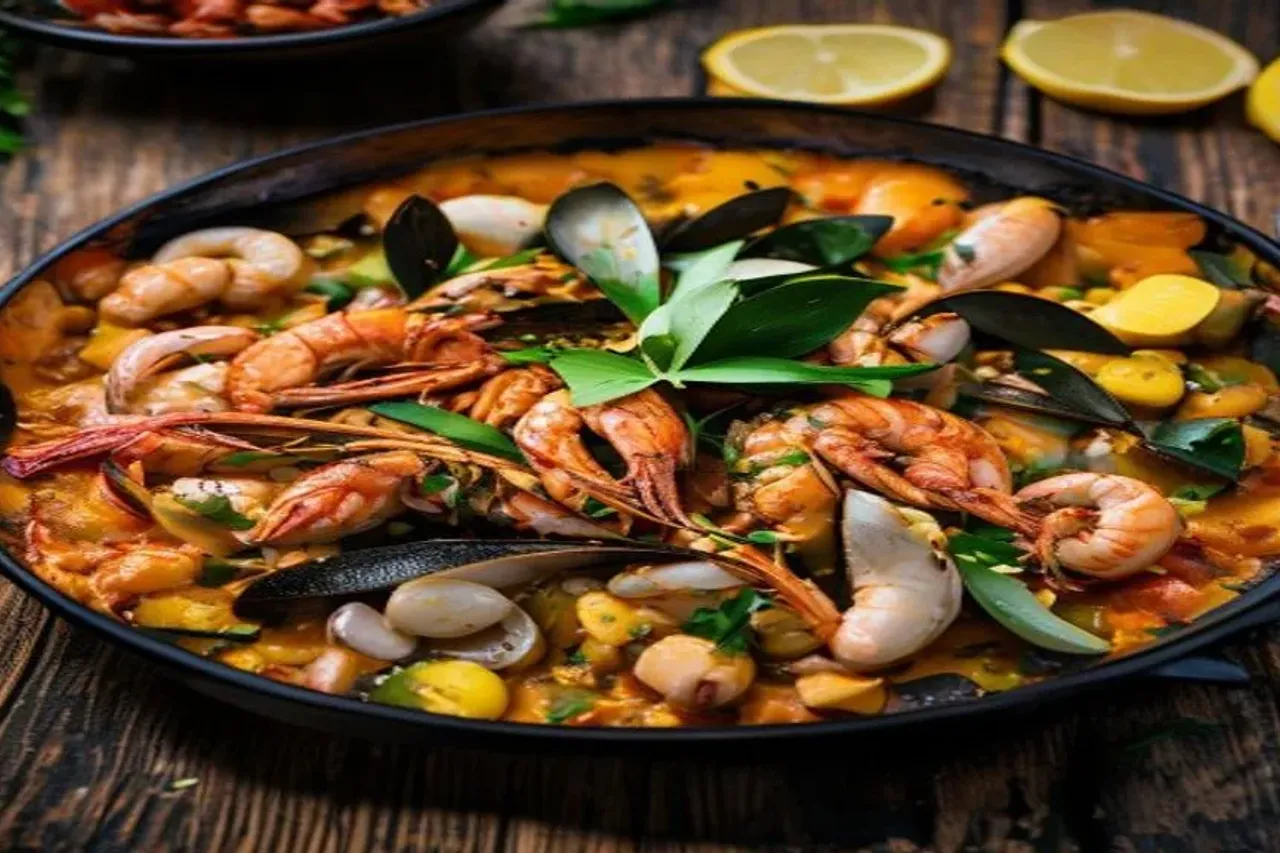
The Ultimate Authentic Spanish Paella Recipe
Royal Nutritional Ledger *
For those counting their gold coins and their calories.
The Royal Disclaimer: These figures are calculated by our finest AI court scholars based on standard ingredient values. They are highly educated estimates meant for guidance, not gospel. If you require absolute scientific precision for medical or dietary salvation, please consult a certified physician rather than our kitchen AI!
Did You Know?
Historical Tidbit
Paella originated in the fields of Valencia as a humble farmers' lunch cooked over open orange wood fires.
First time here? Click the button above to automatically send all these ingredients to your highest-paying local grocery delivery app.
⚖️ The Modernizer
Missing extinct ingredients? Swap for accessible modern alternatives.
The Golden Rule
"Respect the rice and control the flame. If your heat is too high, you will burn the bottom before the top is cooked. If your heat is too low, you will end up with a sad, soggy puddle of mush."
Ingredients
18 items required
Make Us Your Preferred Culinary Source
AI Emergency Hub
Hit a snag while prepping? Our elite AI tools are here to save your dish.
Missing an Ingredient?
Recipe Disaster?
Chef's Notes
Listen up, culinary apprentices! Paella is not just a rice dish; it is a delicate ecosystem of flavors. Never stir the rice once the stock is added, unless you want risotto. We are making paella, not porridge!
Pro Tip
Want that legendary crispy bottom crust known as socarrat? During the final two minutes of cooking, crank the heat up just a fraction until you hear a gentle crackling sound. That is the sound of pure, crunchy glory!
Kitchen Catastrophe Warning
The absolute worst disaster you can commit here is constantly stirring the rice like you are reading tea leaves. If you stir it continuously, you release too much starch, destroying the texture and instantly banishing yourself from the royal kitchen forever!
The Jester's Corner
Royal Court Comedy
They say the best part of the paella is the socarrat, which is really just a polite term for 'I accidentally burned the bottom of the pan but we're calling it gourmet now.'
The Culinary Science
Saffron contains chemical compounds called crocin and crocetin, which are water-soluble carotenoids that dye the rice a brilliant golden yellow while imparting a distinct, earthy aroma that synthetic colorings could only dream of achieving.
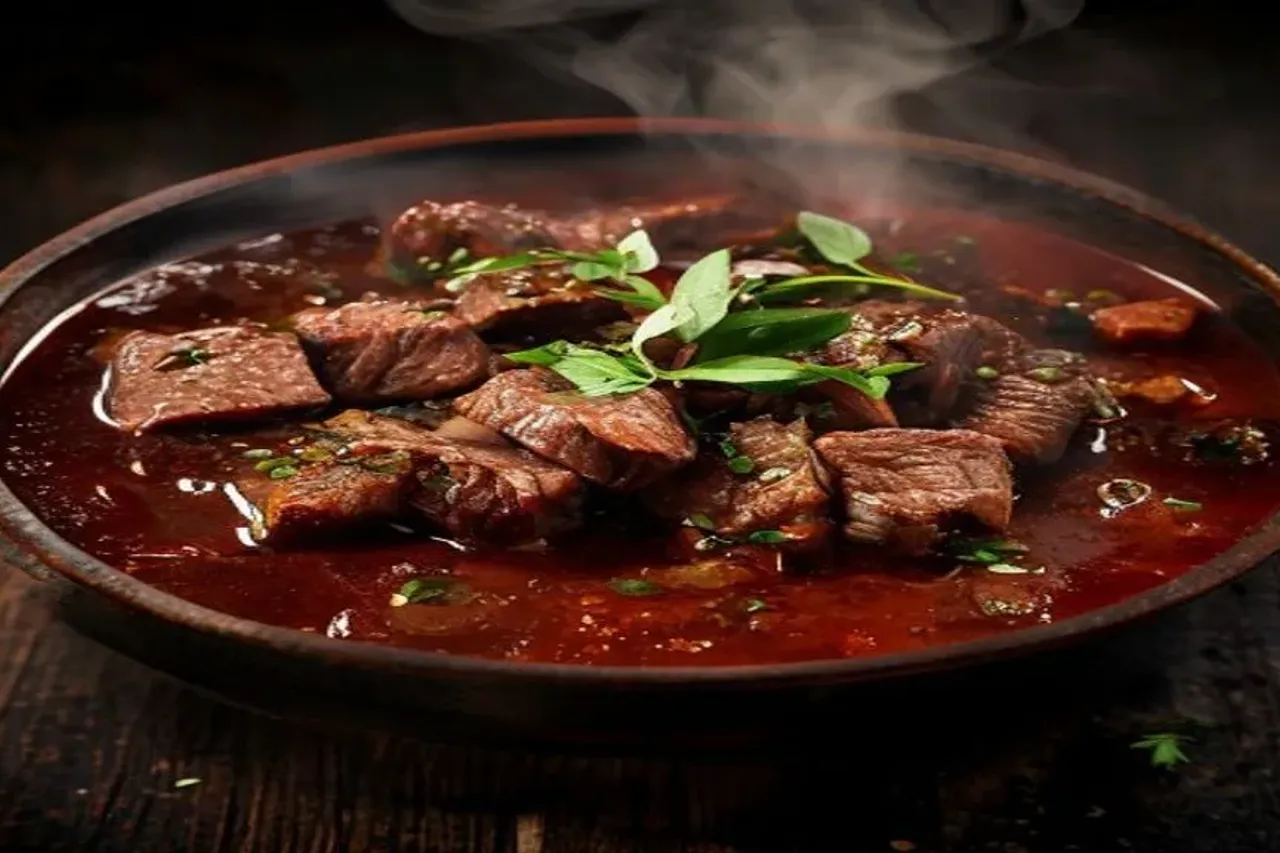
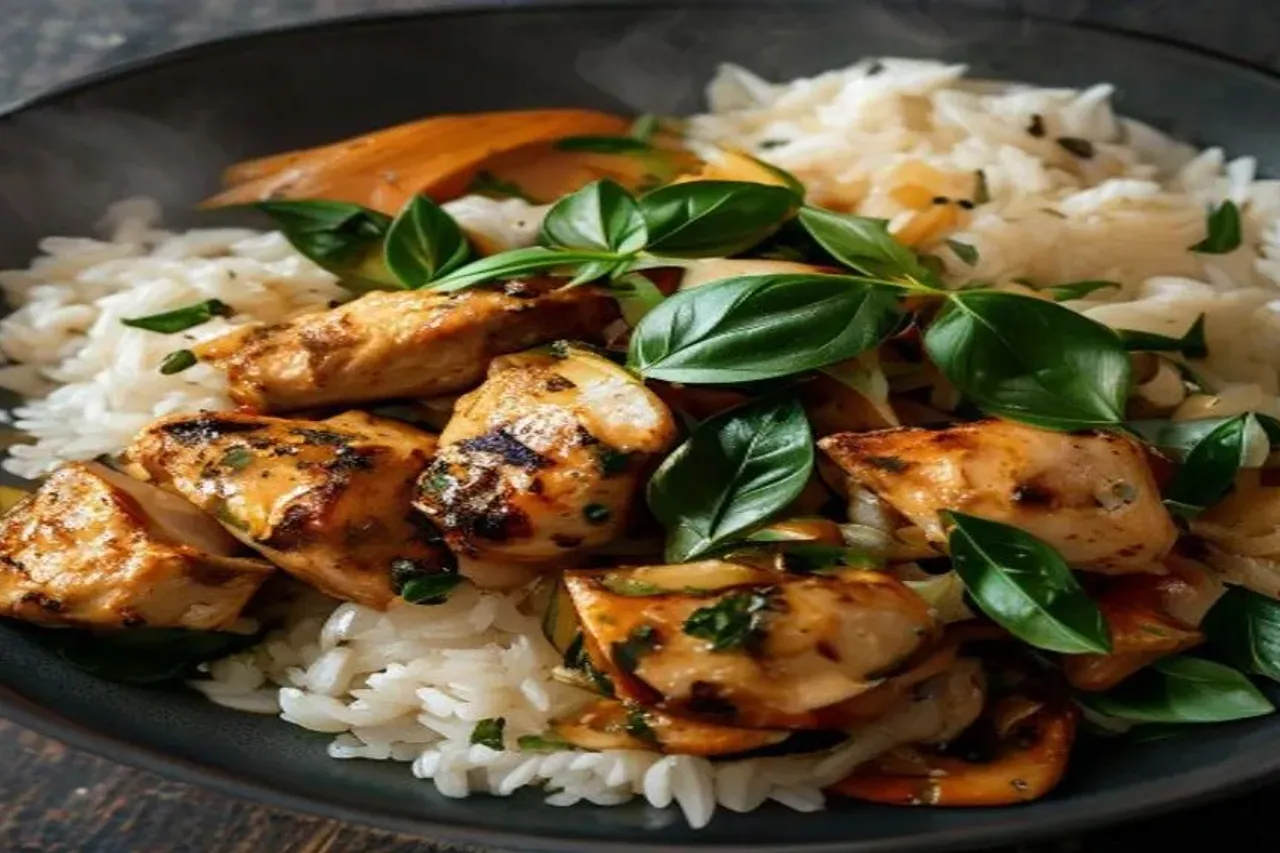
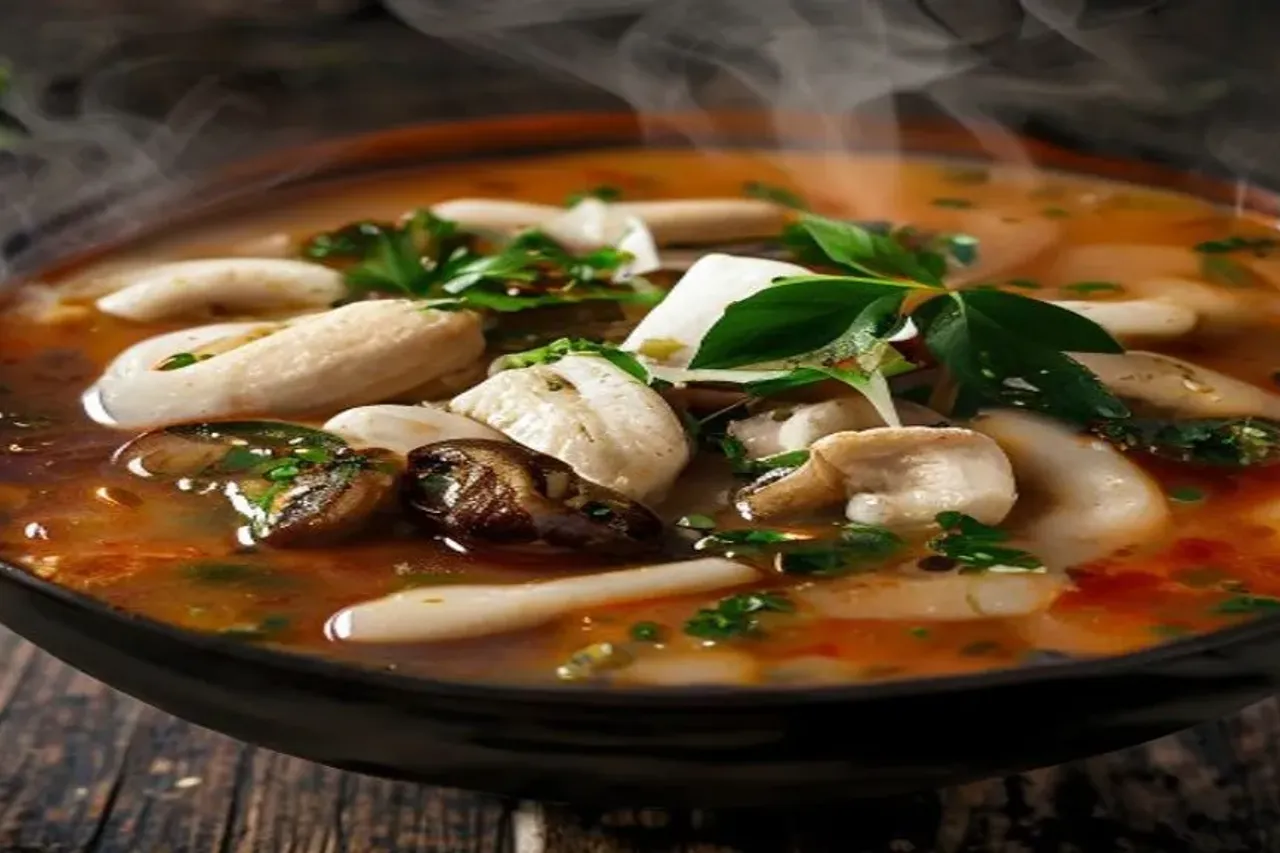
🏺 Explore More Royal Feasts
Lift the lid on these timeless delicacies
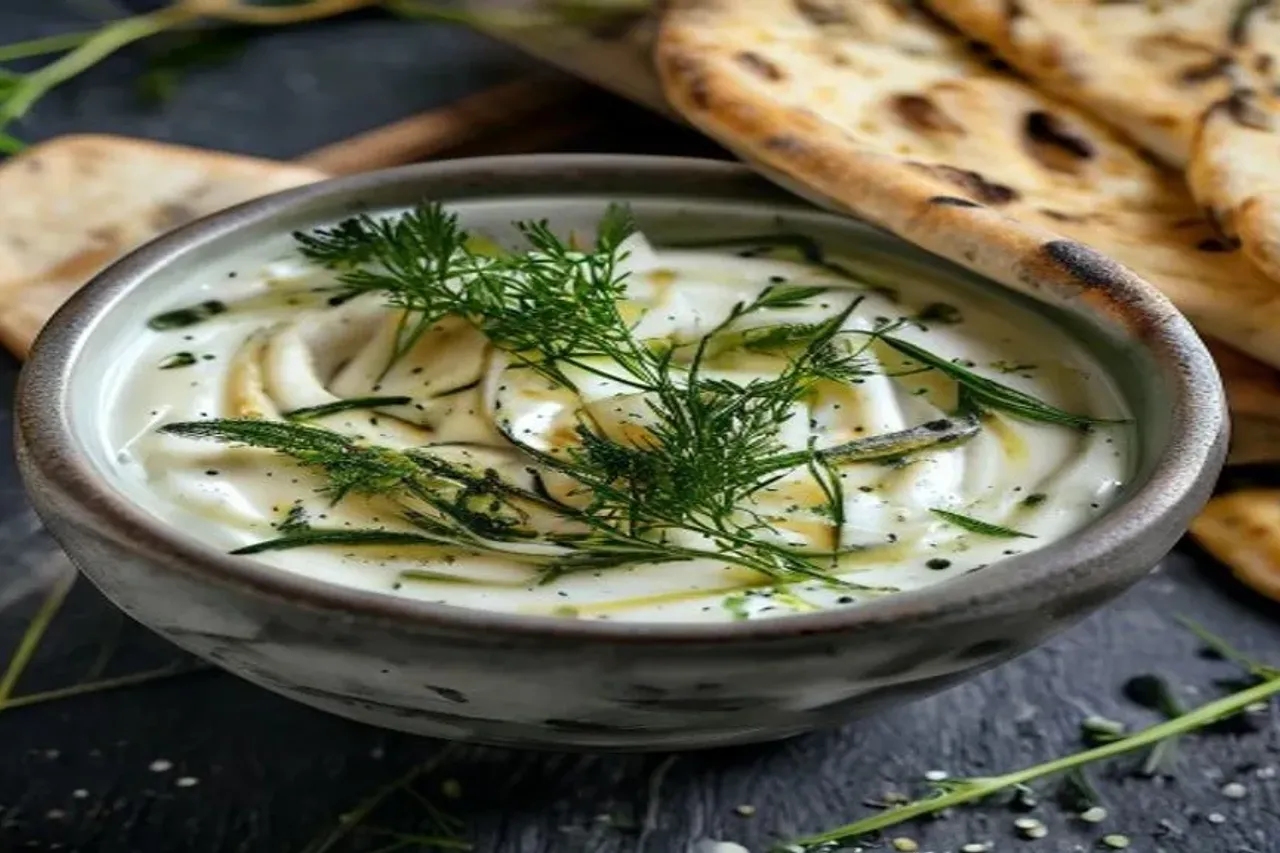
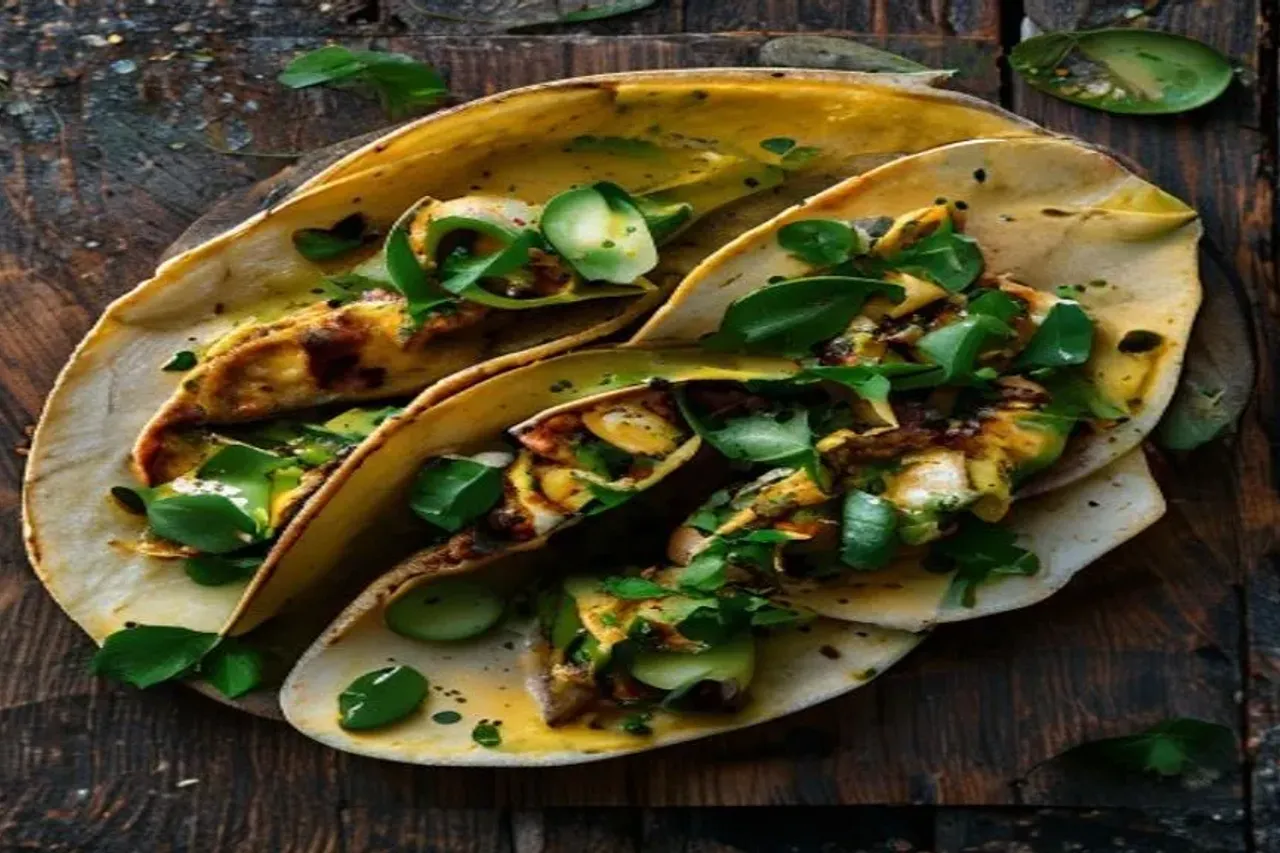
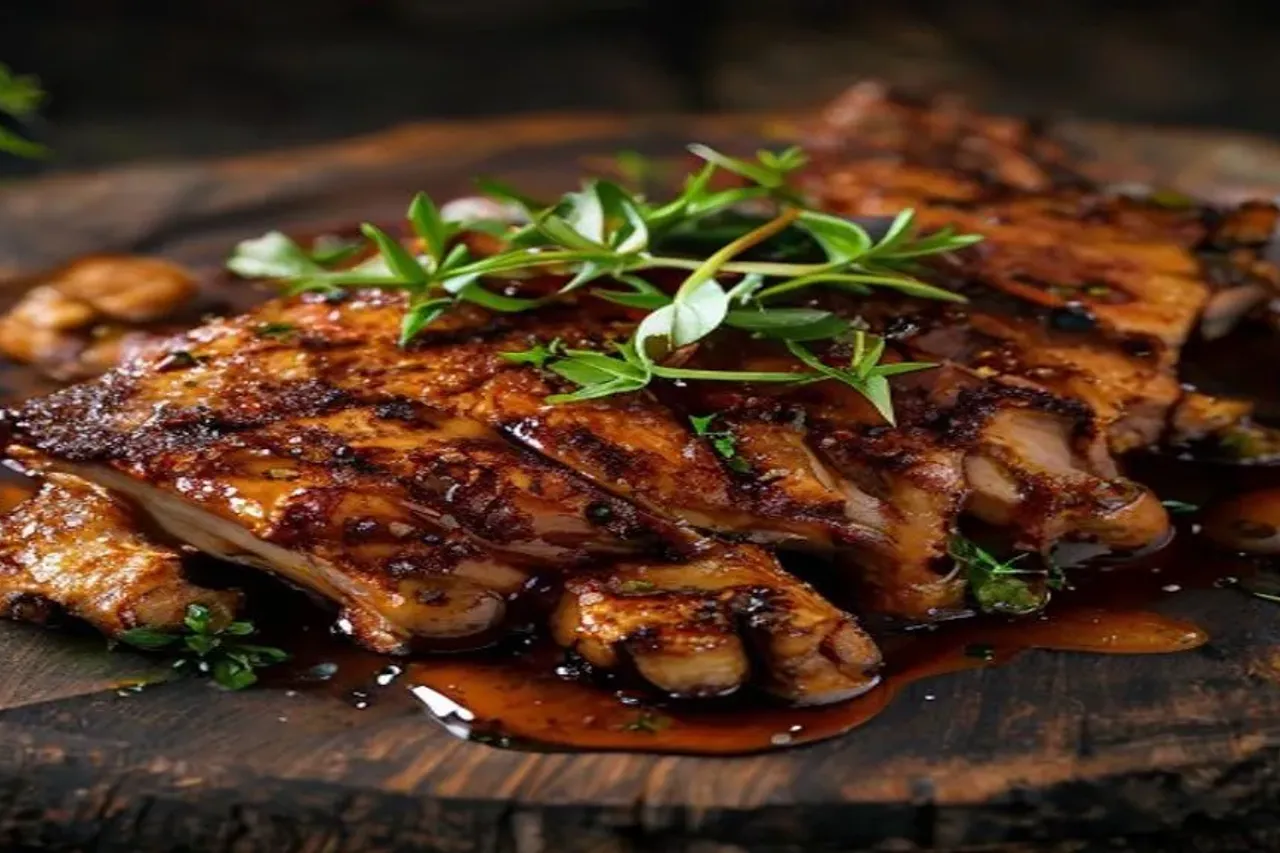
Make Us Your Preferred Culinary Source
Prioritize Ages & Spices in your Google Discover, Top Stories, and AI search feed with one tap.
🎭How does this recipe make you feel?
Tap a reaction to share your vibe
General Food Safety & Storage
Storage Science
Cool rapidly. Store in an airtight container in the refrigerator (below 4°C / 40°F). Consume within 3-4 days.
Reheating Science
Reheat to an internal temperature of 165°F (74°C). Use the stove or oven for best texture, stirring or turning occasionally to ensure even heating.
Taster's Notes
Community Feedback
0 Comments
Be the first to leave a note on this recipe!