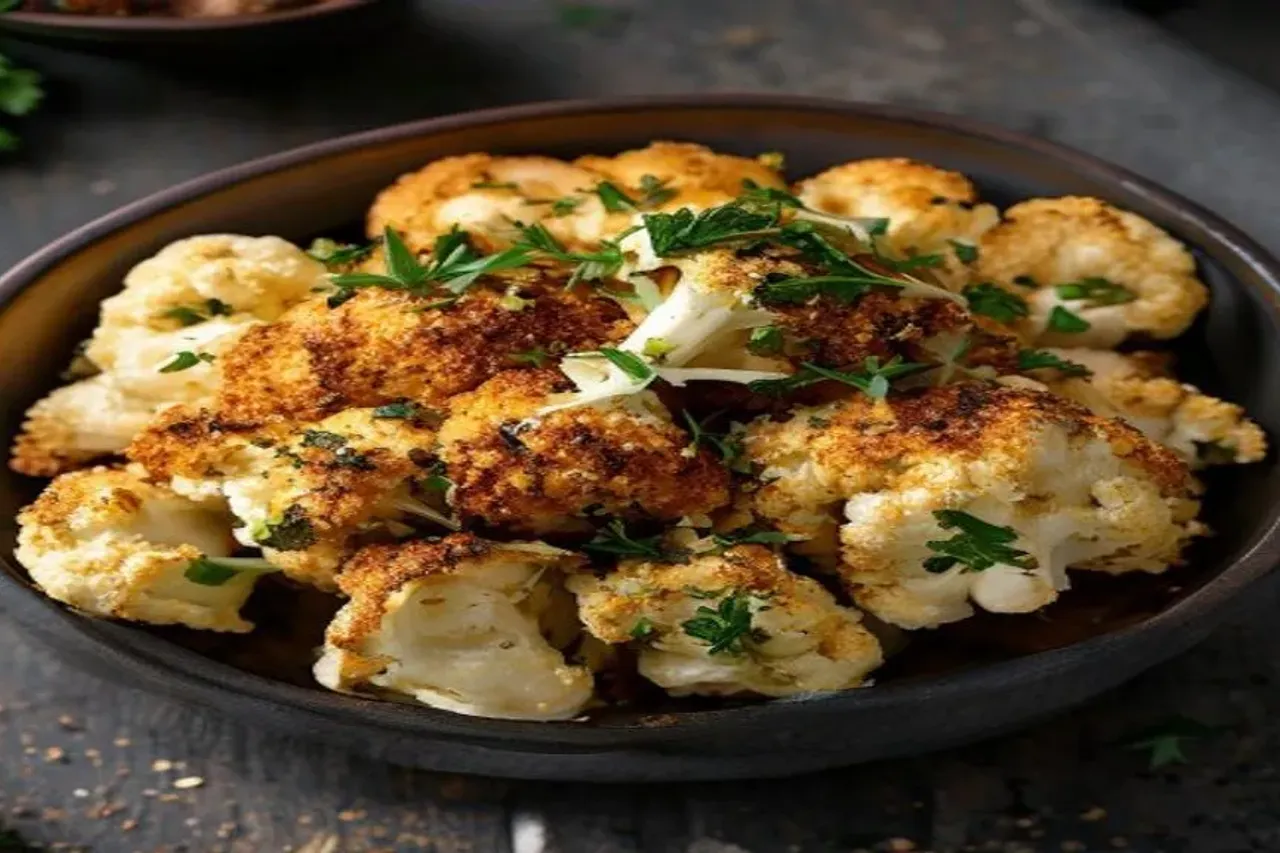
The Ultimate Baked Breaded Cauliflower Recipe

Royal Nutritional Ledger *
For those counting their gold coins and their calories.
The Royal Disclaimer: These figures are calculated by our finest AI court scholars based on standard ingredient values. They are highly educated estimates meant for guidance, not gospel. If you require absolute scientific precision for medical or dietary salvation, please consult a certified physician rather than our kitchen AI!
Did You Know?
Historical Tidbit
Cauliflower is a member of the cruciferous family, making it a close relative of broccoli, kale, and cabbage.
First time here? Click the button above to automatically send all these ingredients to your highest-paying local grocery delivery app.
⚖️ The Modernizer
Missing extinct ingredients? Swap for accessible modern alternatives.
The Golden Rule
"Always keep one hand strictly for wet ingredients and the other for dry to avoid making edible cement on your fingertips."
Ingredients
5 items required
Make Us Your Preferred Culinary Source
AI Emergency Hub
Hit a snag while prepping? Our elite AI tools are here to save your dish.
Missing an Ingredient?
Recipe Disaster?
Chef's Notes
Do not crowd the baking sheet! If the florets touch, they will steam instead of roast, robbing you of that magnificent crunch.
Pro Tip
Press the panko onto the wet cauliflower firmly with your dry hand to keep your fingers from turning into giant breaded cutlets.
Kitchen Catastrophe Warning
Dropping the florets into a wet, soggy pile on the baking sheet, resulting in pale, soggy cauliflower sadness that tastes like defeat.
The Jester's Corner
Royal Court Comedy
My dear peasants, this is for when you want your vegetables to taste exactly like fried bread crumbs. How revolutionary!
The Culinary Science
The Maillard reaction between the amino acids in the egg and the starches in the panko creates that addictive savory crust.
Make Us Your Preferred Culinary Source
Prioritize Ages & Spices in your Google Discover, Top Stories, and AI search feed with one tap.
🎭How does this recipe make you feel?
Tap a reaction to share your vibe
Starch Retrogradation Reversal
Storage Science
Store at room temperature in a breathable bread bag or paper wrapper for up to 2 days. DO NOT refrigerate, as the cold accelerates starch retrogradation (staling). For long-term storage, freeze tightly wrapped.
Reheating Science
To reverse staling, flick a few drops of water onto the crust and reheat in a 350°F (175°C) oven for 5-8 minutes. The steam will re-gelatinize the starches, making the crumb soft and the crust crisp.

Taster's Notes
Community Feedback
0 Comments
Be the first to leave a note on this recipe!