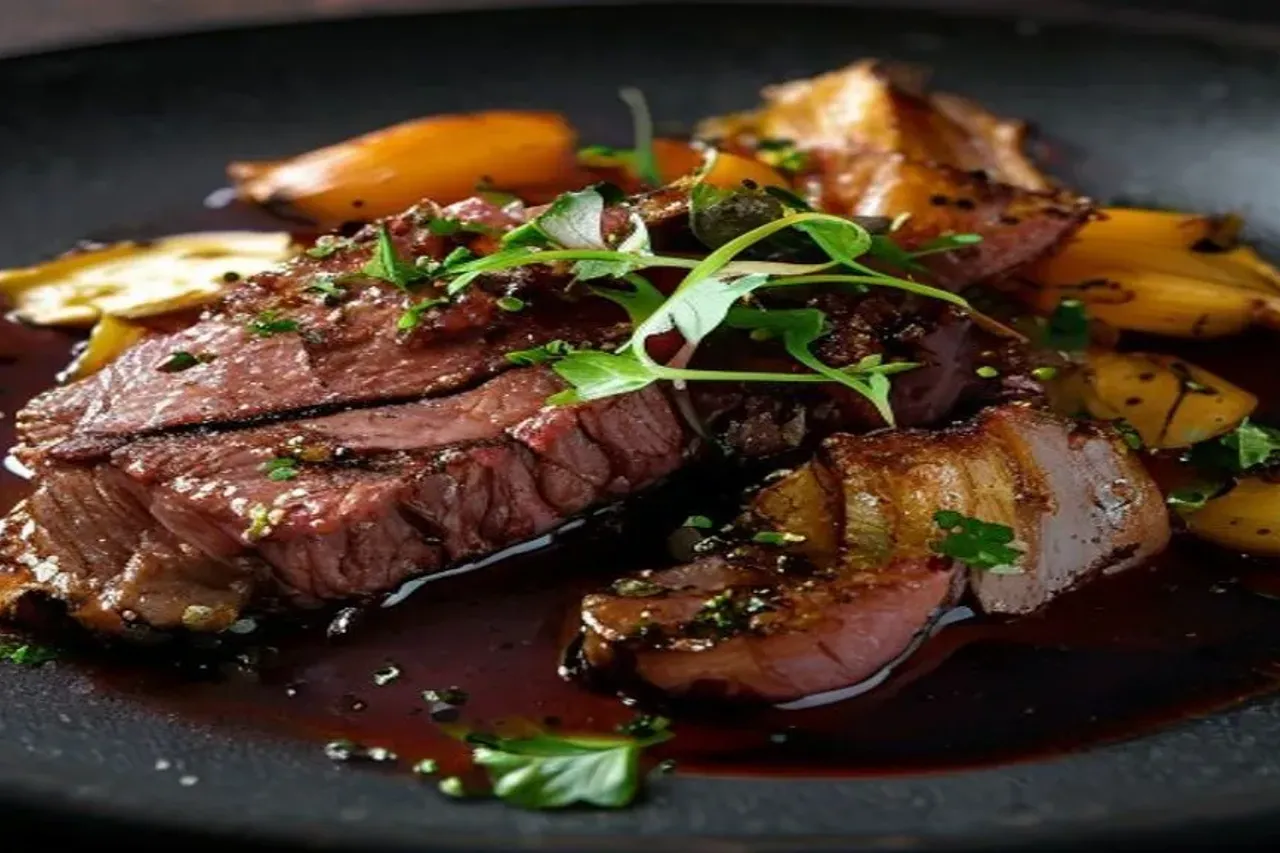
The Ultimate Beef Tenderloin With Roasted Shallots Recipe
Royal Nutritional Ledger *
For those counting their gold coins and their calories.
The Royal Disclaimer: These figures are calculated by our finest AI court scholars based on standard ingredient values. They are highly educated estimates meant for guidance, not gospel. If you require absolute scientific precision for medical or dietary salvation, please consult a certified physician rather than our kitchen AI!
Did You Know?
Historical Tidbit
Shallots are a member of the allium family and were once considered the preferred bulb of the French nobility for their milder, sweeter profile compared to onions.
First time here? Click the button above to automatically send all these ingredients to your highest-paying local grocery delivery app.
⚖️ The Modernizer
Missing extinct ingredients? Swap for accessible modern alternatives.
The Golden Rule
"Never compromise on the quality of your ingredients, for you cannot make a silk purse out of a sow's ear! Treat every single component—from the humble shallot to the magnificent tenderloin—with absolute respect and care."
Ingredients
12 items required
Make Us Your Preferred Culinary Source
AI Emergency Hub
Hit a snag while prepping? Our elite AI tools are here to save your dish.
Missing an Ingredient?
Recipe Disaster?
Chef's Notes
Listen closely, my friends, for great cooking is an art form backed by absolute precision. When searing your beef tenderloin, ensure the pan is properly heated before the meat touches the surface; this locks in the juices and creates that magnificent crust. Never rush the reduction of your port wine and broth—concentrating those flavors is the secret difference between a good sauce and an unforgettable one.
Pro Tip
If you wish to elevate your presentation further, ensure your shallots are sliced as uniformly as possible so they roast at the exact same rate. Additionally, always let your beef rest adequately under its foil tent; cutting into it too early will cause all those glorious, hard-earned juices to run out onto the cutting board instead of staying inside the meat where they belong!
Kitchen Catastrophe Warning
Beware, amateur pit-bosses: overcooking this magnificent tenderloin into a gray, leather-bound shoe of sadness because you ignored your meat thermometer is a hanging offense in my kitchen. Medium-rare is a sacred state, not a suggestion—cook it past 130 degrees Fahrenheit, and I shall personally revoke your apron!
The Jester's Corner
Royal Court Comedy
They call this a 'company dish,' which is really just code for 'I spent three hours on the sauce so you wouldn't notice I burned the napkins.'
The Culinary Science
Behold the wonders of culinary chemistry! When you sear your beef tenderloin, you are witnessing the Maillard reaction—a complex chemical reaction between amino acids and reducing sugars that gives browned food its distinctive, deeply savory flavor profile. Meanwhile, combining butter and flour to create a paste (known in the culinary world as a beurre manié) allows the fat-coated flour particles to disperse evenly into hot liquid without forming unwanted lumps, creating a silky-smooth sauce.
Make Us Your Preferred Culinary Source
Prioritize Ages & Spices in your Google Discover, Top Stories, and AI search feed with one tap.
🎭How does this recipe make you feel?
Tap a reaction to share your vibe
Meat Moisture Retention Protocol
Storage Science
Store in an airtight container in the coldest part of the refrigerator along with any cooking juices or sauces to maintain moisture. Consume within 3-4 days.
Reheating Science
Reheat gently in the oven at 300°F (150°C) or on the stovetop over low heat. Add a splash of broth or water and cover tightly to steam. This prevents the proteins from constricting and squeezing out their juices.
Taster's Notes
Community Feedback
0 Comments
Be the first to leave a note on this recipe!