The Ultimate Bhindi Masala Recipe
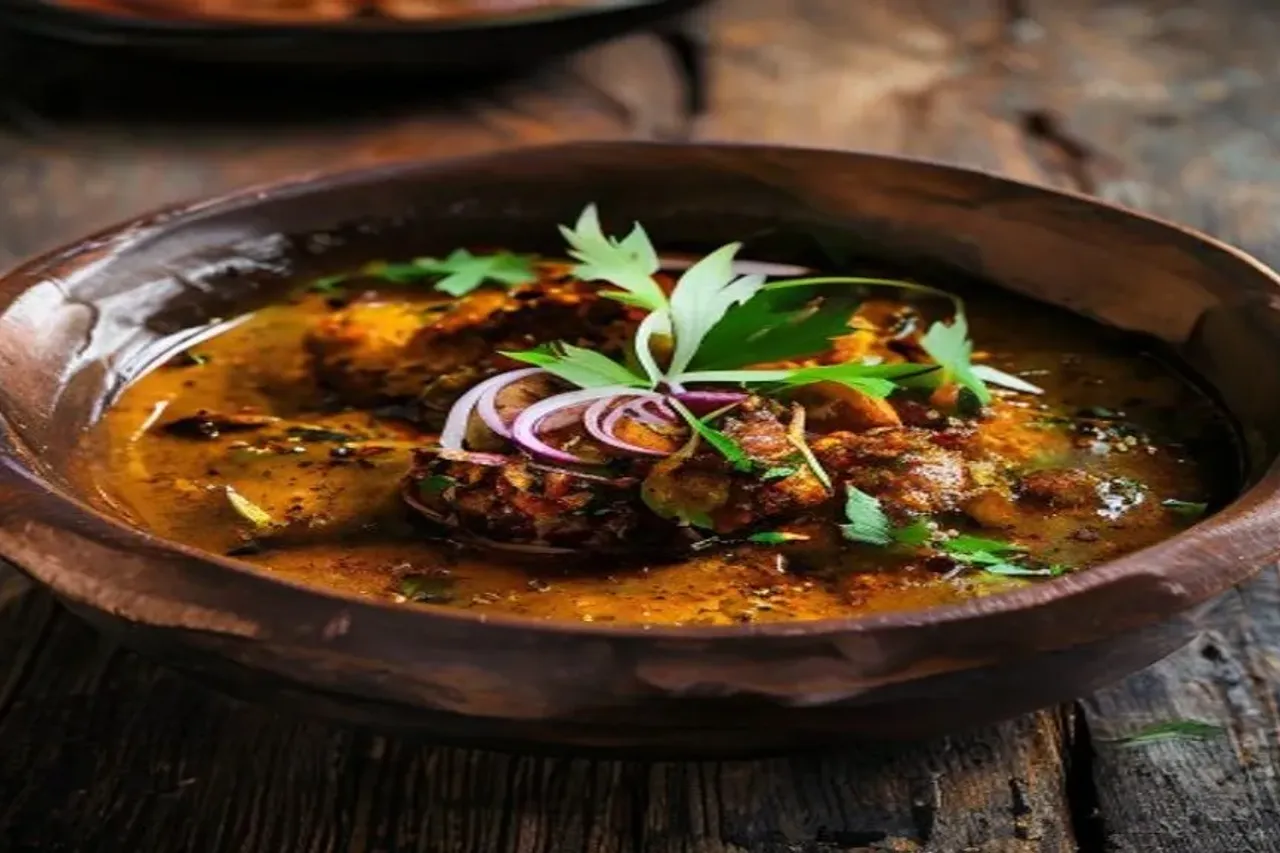
Royal Nutritional Ledger *
For those counting their gold coins and their calories.
The Royal Disclaimer: These figures are calculated by our finest AI court scholars based on standard ingredient values. They are highly educated estimates meant for guidance, not gospel. If you require absolute scientific precision for medical or dietary salvation, please consult a certified physician rather than our kitchen AI!
Did You Know?
Historical Tidbit
Okra, commonly known as bhindi or lady's finger, actually belongs to the mallow family, which makes it a close botanical cousin to cotton and hibiscus!
First time here? Click the button above to automatically send all these ingredients to your highest-paying local grocery delivery app.
⚖️ The Modernizer
Missing extinct ingredients? Swap for accessible modern alternatives.
The Golden Rule
"Never rush the oil separation step after adding the tomato puree. If the oil doesn't separate, your raw tomato flavor remains uncured and aggressive."
Ingredients
20 items required
Make Us Your Preferred Culinary Source
AI Emergency Hub
Hit a snag while prepping? Our elite AI tools are here to save your dish.
Missing an Ingredient?
Recipe Disaster?
Chef's Notes
Do not skip frying the okra separately unless you enjoy a slimy curry tragedy. Giving the bhindi its own quick sear locks in the shape and drives away the mucilage.
Pro Tip
When adding the curd, lower the heat completely or temper it with a spoonful of hot gravy first. Otherwise, your luxurious sauce will curdle into scrambled egg territory!
Kitchen Catastrophe Warning
Dropping wet, freshly washed okra straight into hot oil without drying them first, resulting in a terrifying oil-splattering volcano that coats your entire kitchen in grease.
The Jester's Corner
Royal Court Comedy
Why did the okra refuse to jump into the curry gravy? Because it heard the chef was planning to make a real 'slit' decision!
The Culinary Science
Okra contains soluble fiber called mucilage. Cooking it with acidic ingredients like tomatoes and curd helps break down this slipperiness.
Make Us Your Preferred Culinary Source
Prioritize Ages & Spices in your Google Discover, Top Stories, and AI search feed with one tap.
🎭How does this recipe make you feel?
Tap a reaction to share your vibe
Flavor Maturation & Emulsion Protection
Storage Science
Cool rapidly in a shallow container before refrigerating. Curries and stews often taste better on day two as aromatic compounds continue to bloom and mingle in the fat matrix. Consume within 4 days.
Reheating Science
Reheat slowly on the stovetop over medium-low heat, stirring gently. If the fat has separated (broken emulsion), add a tablespoon of boiling water and whisk vigorously to re-emulsify before serving.
Taster's Notes
Community Feedback
0 Comments
Be the first to leave a note on this recipe!