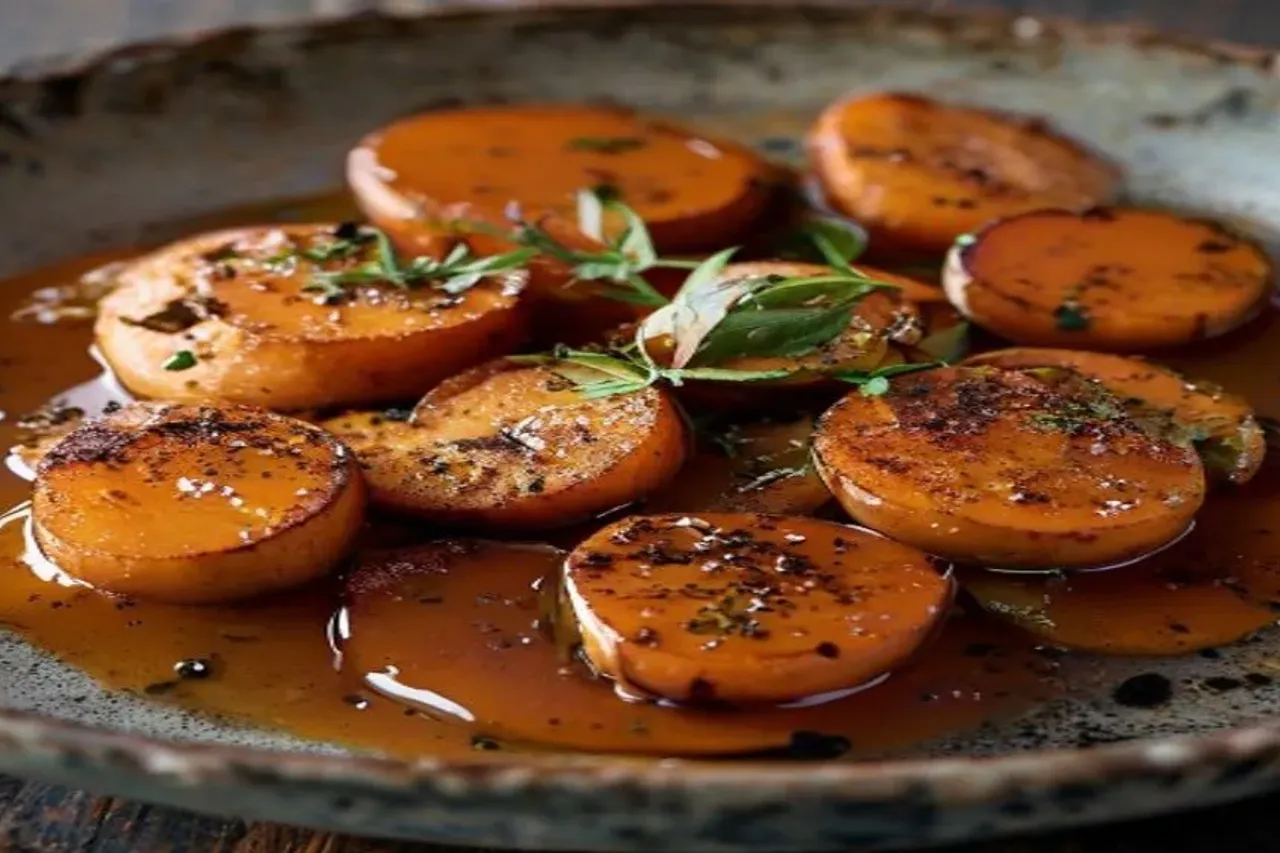
The Ultimate Buttery Melting Sweet Potatoes Recipe
Royal Nutritional Ledger *
For those counting their gold coins and their calories.
The Royal Disclaimer: These figures are calculated by our finest AI court scholars based on standard ingredient values. They are highly educated estimates meant for guidance, not gospel. If you require absolute scientific precision for medical or dietary salvation, please consult a certified physician rather than our kitchen AI!
Did You Know?
Historical Tidbit
Melting potatoes, also known as pommes fondantes, originated as a classic French technique designed to make the interior velvety soft while creating a crisp exterior crust.
First time here? Click the button above to automatically send all these ingredients to your highest-paying local grocery delivery app.
⚖️ The Modernizer
Missing extinct ingredients? Swap for accessible modern alternatives.
The Golden Rule
"Never walk away from a reducing sugar sauce on the stovetop. Sugar transitions from glossy perfection to bitter charcoal in a matter of mere seconds!"
Ingredients
9 items required
Make Us Your Preferred Culinary Source
AI Emergency Hub
Hit a snag while prepping? Our elite AI tools are here to save your dish.
Missing an Ingredient?
Recipe Disaster?
Chef's Notes
Do not rush the initial sear on the sweet potatoes. That golden-brown crust is the structural foundation of the entire dish, locking in earthy sugars before the braising phase begins.
Pro Tip
If your sweet potatoes vary wildly in thickness, simply cut the larger rounds a tiny bit thinner and the smaller ones thicker so they all cook through at the exact same rate in the oven.
Kitchen Catastrophe Warning
Dropping the raw sweet potato rounds into a cold pan instead of waiting for the butter to fully melt, resulting in soggy, boiled-tasting spuds that lack any majestic caramelization whatsoever.
The Jester's Corner
Royal Court Comedy
Why did the sweet potato blush in the pan? Because it saw the butter buttering up to the maple syrup behind its back!
The Culinary Science
Pectin, the structural glue holding plant cells together, breaks down much slower in acidic environments. That is precisely why we wait until the end to add the apple cider vinegar, ensuring the potatoes get tender instead of remaining stubbornly crunchy.
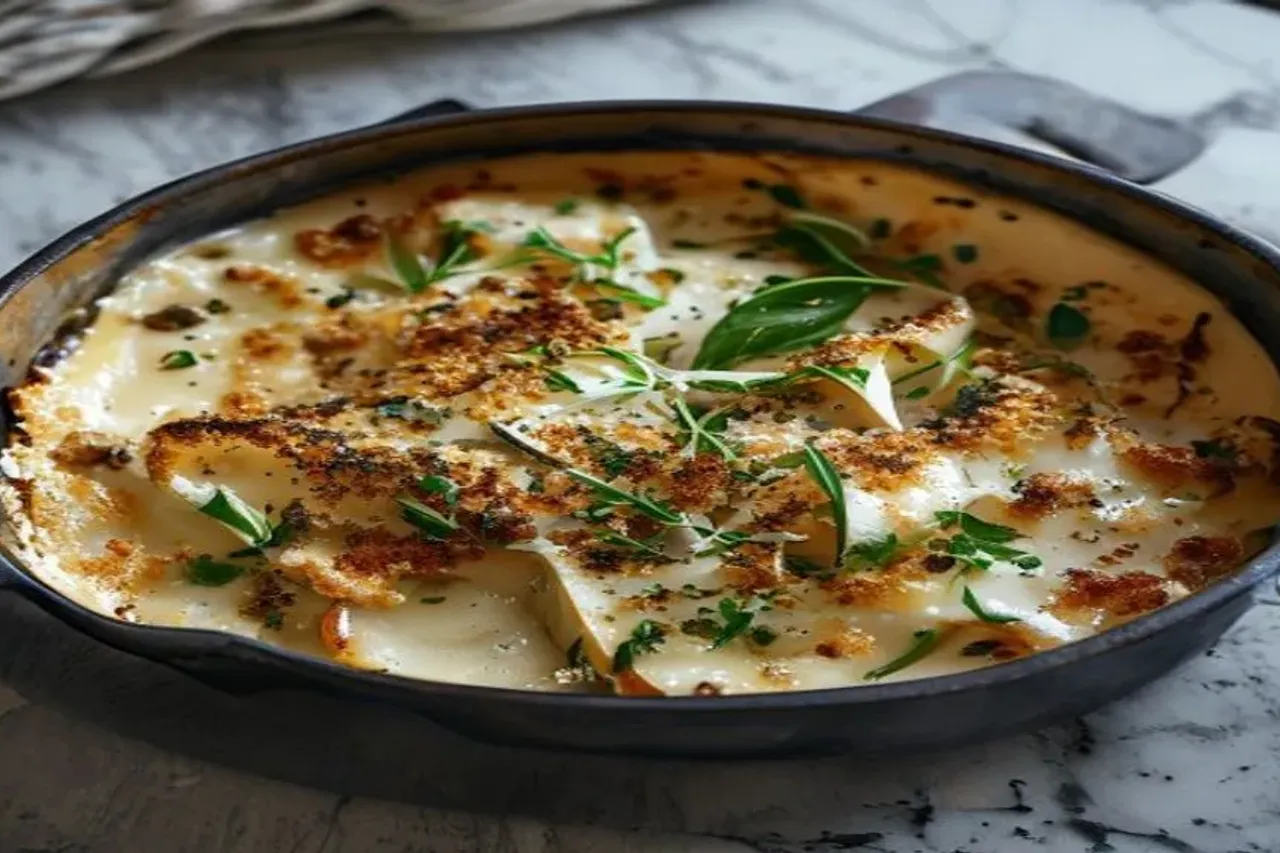
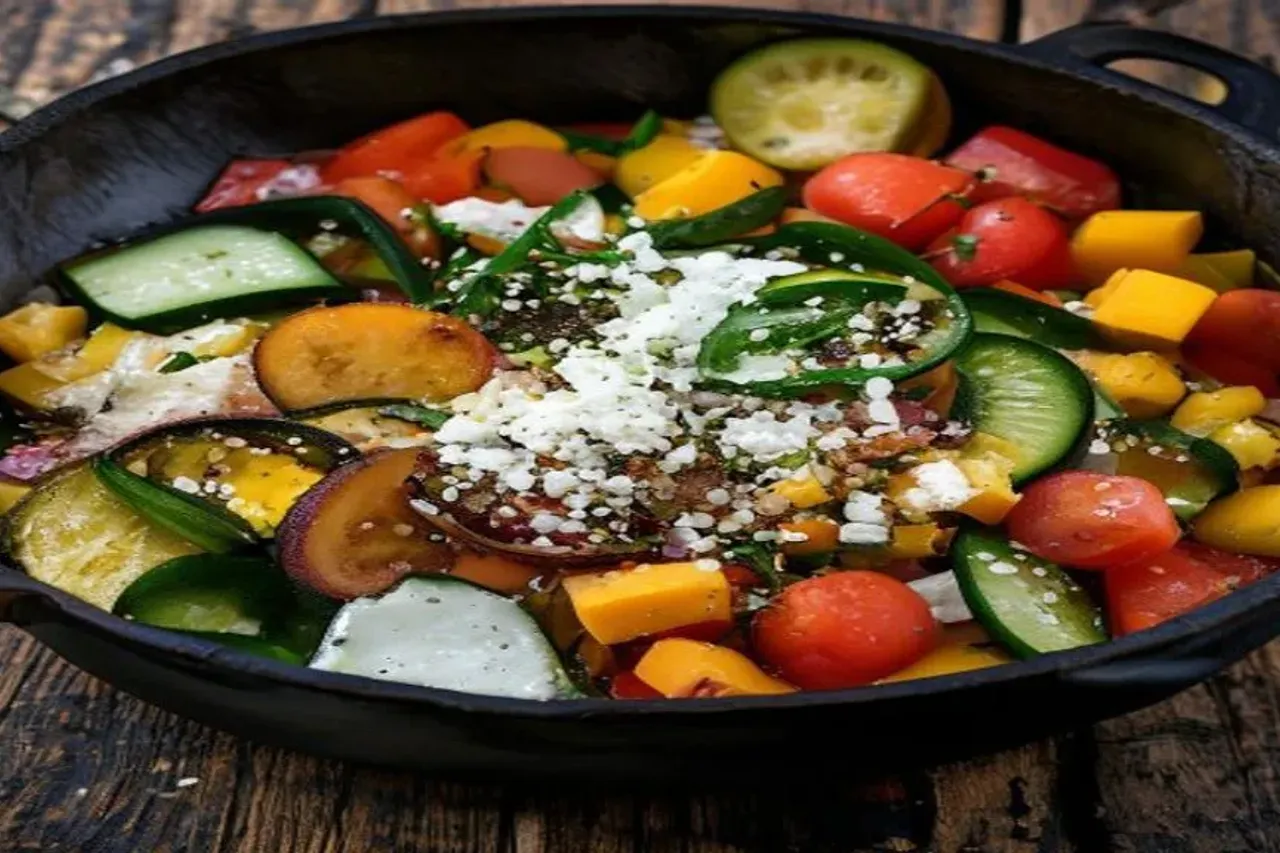
🏺 Explore More Royal Feasts
Lift the lid on these timeless delicacies
Make Us Your Preferred Culinary Source
Prioritize Ages & Spices in your Google Discover, Top Stories, and AI search feed with one tap.
🎭How does this recipe make you feel?
Tap a reaction to share your vibe
General Food Safety & Storage
Storage Science
Cool rapidly. Store in an airtight container in the refrigerator (below 4°C / 40°F). Consume within 3-4 days.
Reheating Science
Reheat to an internal temperature of 165°F (74°C). Use the stove or oven for best texture, stirring or turning occasionally to ensure even heating.
Taster's Notes
Community Feedback
0 Comments
Be the first to leave a note on this recipe!