The Ultimate Canelés de Bordeaux Recipe
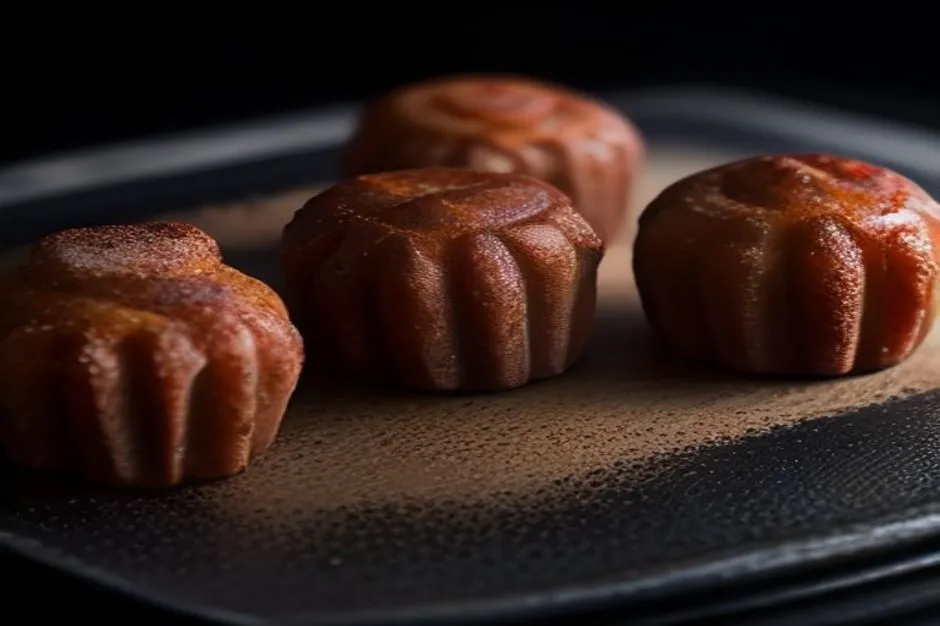
Royal Nutritional Ledger *
For those counting their gold coins and their calories.
The Royal Disclaimer: These figures are calculated by our finest AI court scholars based on standard ingredient values. They are highly educated estimates meant for guidance, not gospel. If you require absolute scientific precision for medical or dietary salvation, please consult a certified physician rather than our kitchen AI!
Part of our Pastry Master Index
Did You Know?
Historical Tidbit
Canelés were invented by nuns at the Couvent des Annonciades in Bordeaux during the 15th or 16th century.
First time here? Click the button above to automatically send all these ingredients to your highest-paying local grocery delivery app.
⚖️ The Modernizer
Missing extinct ingredients? Swap for accessible modern alternatives.
The Golden Rule
"Never fear the dark crust! A pale canelé is a sad, soggy failure. Push the bake until they look deeply bronzed, almost bordering on burnt."
Ingredients
10 items required
Make Us Your Preferred Culinary Source
AI Emergency Hub
Hit a snag while prepping? Our elite AI tools are here to save your dish.
Missing an Ingredient?
Recipe Disaster?
Chef's Notes
Do not skip the 24-hour resting period in the fridge. It allows the gluten to relax and starch to hydrate, ensuring the signature custard interior and crisp shell.
Pro Tip
If using traditional copper molds, chill them in the freezer before filling them with cold batter. The thermal shock helps create that iconic cavity at the bottom of the baked pastry.
Kitchen Catastrophe Warning
The most common disaster is pulling the canelés out too early because you panic at their dark color, resulting in a soggy, pale sponge instead of a crisp, custard-filled masterpiece.
The Jester's Corner
Royal Court Comedy
Why did the canelé go to therapy? Because it had deep-seated issues with being judged solely on its dark, crispy exterior.
The Culinary Science
The dark crust is the result of the Maillard reaction and caramelization working overtime under high heat, transforming simple sugar and milk proteins into a symphony of nutty, burnt-sugar notes.
Explore Curated Feast Collections
Discover 90+ themed festive banquets, seasonal menus, and imperial regional feasts.
🏺 Explore More Royal Feasts
Lift the lid on these timeless delicacies
Make Us Your Preferred Culinary Source
Prioritize Ages & Spices in your Google Discover, Top Stories, and AI search feed with one tap.
🎭How does this recipe make you feel?
Tap a reaction to share your vibe
Pastry & Confectionery Stabilization
Storage Science
Cakes and soft desserts should be wrapped tightly to prevent moisture loss and stored at room temperature (if no perishable fillings) or refrigerated. Consume within 3 days.
Reheating Science
Serve at room temperature for optimal flavor perception, as cold mutes sweetness. If it's a baked pastry, flash-heat in a 350°F (175°C) oven for 3-5 minutes to restore the butter matrix and crispness.
Taster's Notes
Community Feedback
0 Comments
Be the first to leave a note on this recipe!