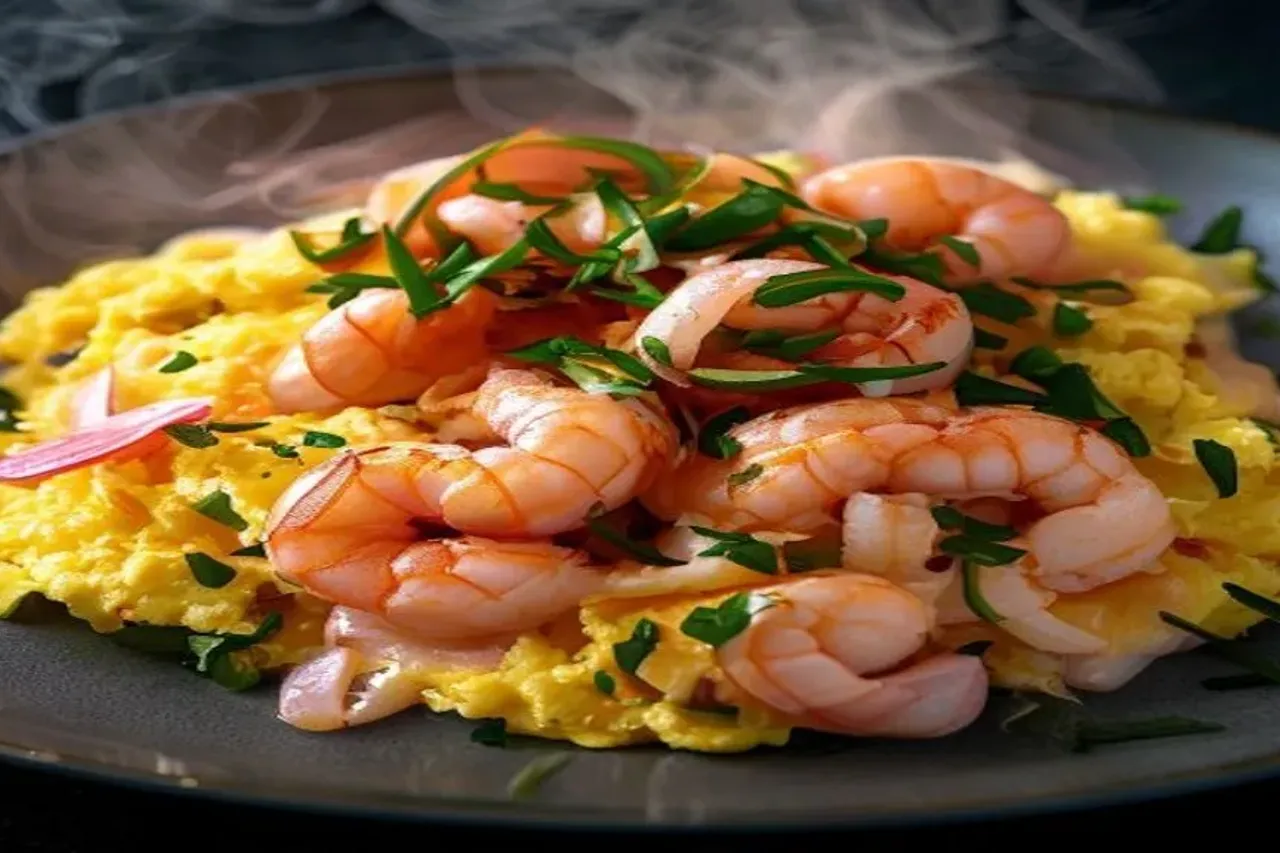
The Ultimate Cantonese Style Shrimp and Egg Stir-Fry Recipe
Royal Nutritional Ledger *
For those counting their gold coins and their calories.
The Royal Disclaimer: These figures are calculated by our finest AI court scholars based on standard ingredient values. They are highly educated estimates meant for guidance, not gospel. If you require absolute scientific precision for medical or dietary salvation, please consult a certified physician rather than our kitchen AI!
Did You Know?
Historical Tidbit
The tradition of using a cornstarch slurry in Chinese egg dishes is a masterclass in chemistry, as it prevents the proteins from tightening, resulting in a 'velvet' texture that remains soft even after cooling.
First time here? Click the button above to automatically send all these ingredients to your highest-paying local grocery delivery app.
⚖️ The Modernizer
Missing extinct ingredients? Swap for accessible modern alternatives.
The Golden Rule
"Never walk away from the stove during this stir-fry; seconds separate silky perfection from a sad scramble."
Ingredients
8 items required
Make Us Your Preferred Culinary Source
AI Emergency Hub
Hit a snag while prepping? Our elite AI tools are here to save your dish.
Missing an Ingredient?
Recipe Disaster?
Chef's Notes
Treat your eggs with the reverence of a monarch. Overcooking them is an absolute culinary sin.
Pro Tip
That tiny splash of cornstarch in the eggs acts as an invisible shield against rubbery, dry curds.
Kitchen Catastrophe Warning
Leaving the pan on the heat a moment too long turns your velvety eggs into a dry, sad kitchen sponge.
The Jester's Corner
Royal Court Comedy
My Jester colleagues insist that if you overcook the eggs, they become bouncy enough to be used as juggling balls during my next Royal performance.
The Culinary Science
Cornstarch molecules trap moisture within the egg proteins, preventing them from squeezing out water when exposed to heat.
Make Us Your Preferred Culinary Source
Prioritize Ages & Spices in your Google Discover, Top Stories, and AI search feed with one tap.
🎭How does this recipe make you feel?
Tap a reaction to share your vibe
Delicate Protein Preservation
Storage Science
Cool quickly and refrigerate in an airtight container immediately. Seafood degrades rapidly; consume within 24 to 48 hours maximum.
Reheating Science
DO NOT microwave on high. Seafood proteins tighten and become rubbery when rapidly heated. Reheat gently in a covered pan over low heat with a splash of water or stock to create gentle steam, preserving moisture.

Taster's Notes
Community Feedback
0 Comments
Be the first to leave a note on this recipe!