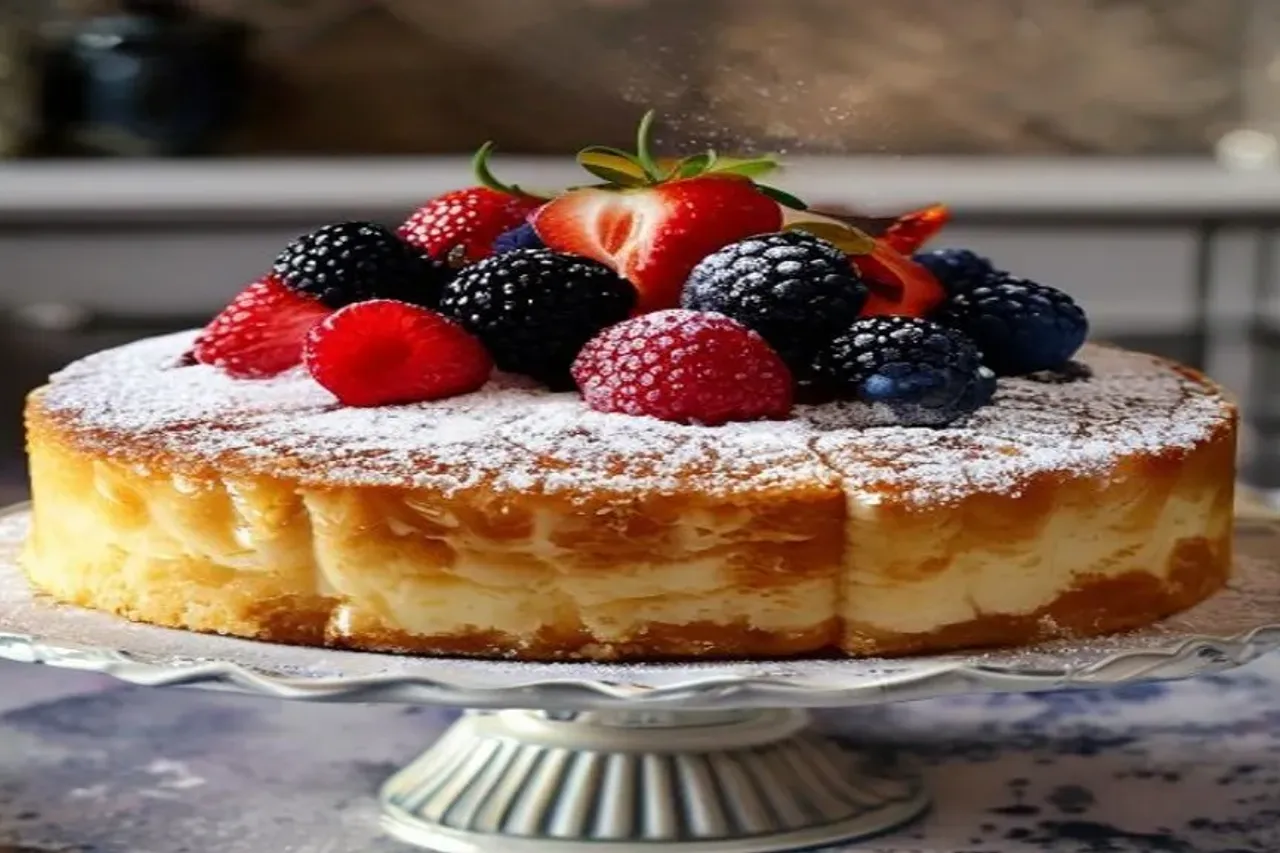
The Ultimate Classic Baked Cheesecake Recipe
Royal Nutritional Ledger *
For those counting their gold coins and their calories.
The Royal Disclaimer: These figures are calculated by our finest AI court scholars based on standard ingredient values. They are highly educated estimates meant for guidance, not gospel. If you require absolute scientific precision for medical or dietary salvation, please consult a certified physician rather than our kitchen AI!
Did You Know?
Historical Tidbit
The tradition of baked cheesecake dates back to ancient Greece, where it was served to athletes during the first Olympic games in 776 B.C.
First time here? Click the button above to automatically send all these ingredients to your highest-paying local grocery delivery app.
⚖️ The Modernizer
Missing extinct ingredients? Swap for accessible modern alternatives.
The Golden Rule
"Remember the ultimate commandment of the pastry realm: respect the jiggle! Overbaking is a cardinal sin that turns a luxurious cheesecake into a dry, chalky sponge. Trust the bake time, look for that tiny center wobble, and let the residual heat and chilling time do the rest of the heavy lifting."
Ingredients
11 items required
Make Us Your Preferred Culinary Source
AI Emergency Hub
Hit a snag while prepping? Our elite AI tools are here to save your dish.
Missing an Ingredient?
Recipe Disaster?
Chef's Notes
Listen closely, dear cooks, because the secret to a velvety, flawless cheesecake lies entirely in the temperature of your ingredients! Make sure your cream cheese and eggs are genuinely at room temperature before you even think about turning on that mixer. Cold ingredients will stubbornly refuse to blend smoothly, leaving you with lumpy tragedy instead of silky majesty.
Pro Tip
Hark to this sacred wisdom from the royal kitchen: never, under any circumstances, blast your cheesecake with high heat or fling open the oven door too fast. Sudden temperature drops are the sworn enemy of baked cheesecakes, causing them to sink and crack like a fragile heart. Treat it with the gentle, slow-cooling respect it deserves!
Kitchen Catastrophe Warning
Beware, reckless kitchen apprentice, for if you dare to rush the cooling process or whip your batter like a medieval blacksmith beating iron, your majestic cheesecake shall split down the center with a jagged canyon of despair, leaving you with a delicious yet profoundly humiliated puddle of cream cheese.
The Jester's Corner
Royal Court Comedy
They call this a 'classic' because it has survived centuries of people trying to sabotage it with over-beating and oven-door slamming.
The Culinary Science
Behold the wonders of culinary chemistry! Cream cheese is an emulsion of fat, protein, and water. When you add eggs and beat them gently without pumping too much air into the batter, the proteins coagulate evenly during baking, trapping moisture and creating that dense, luscious mouthfeel we all adore without any unsightly surface cracks.
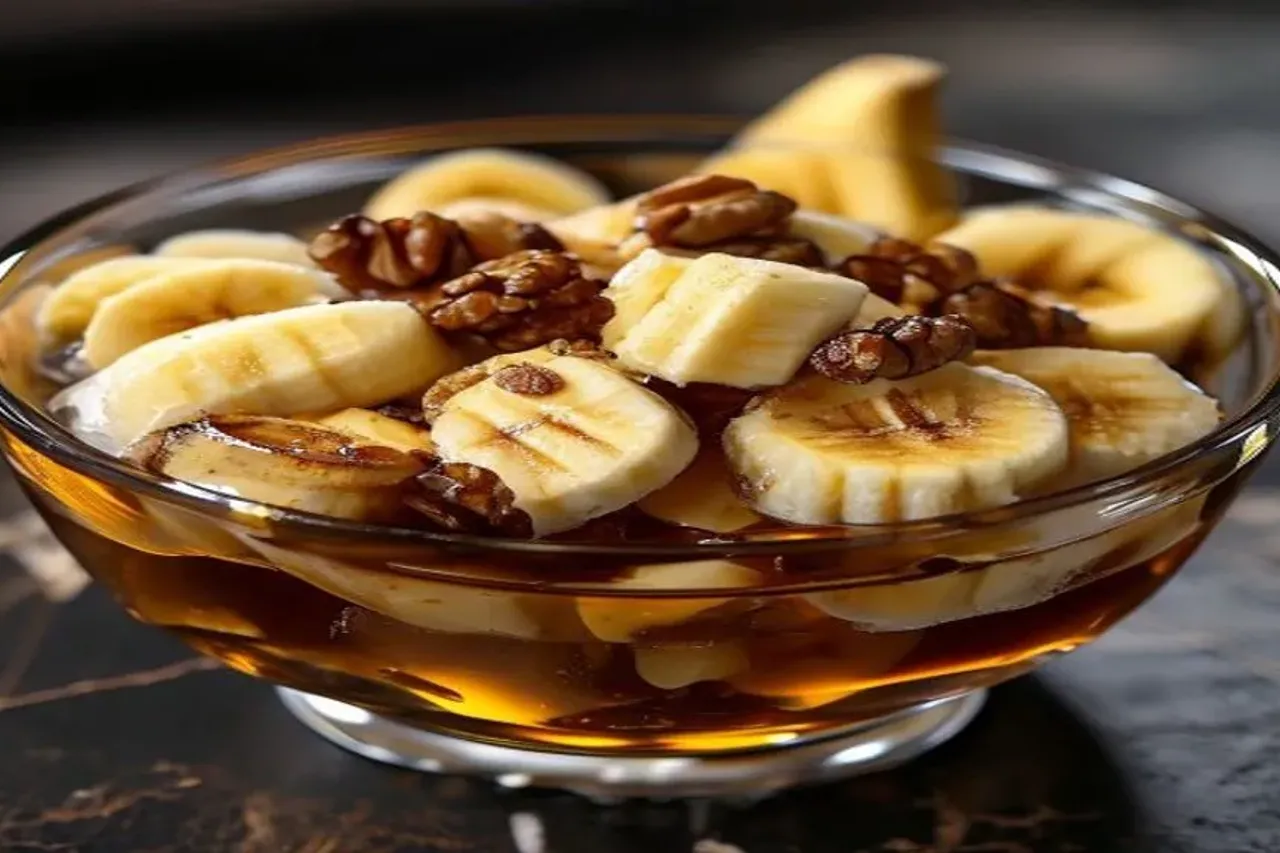
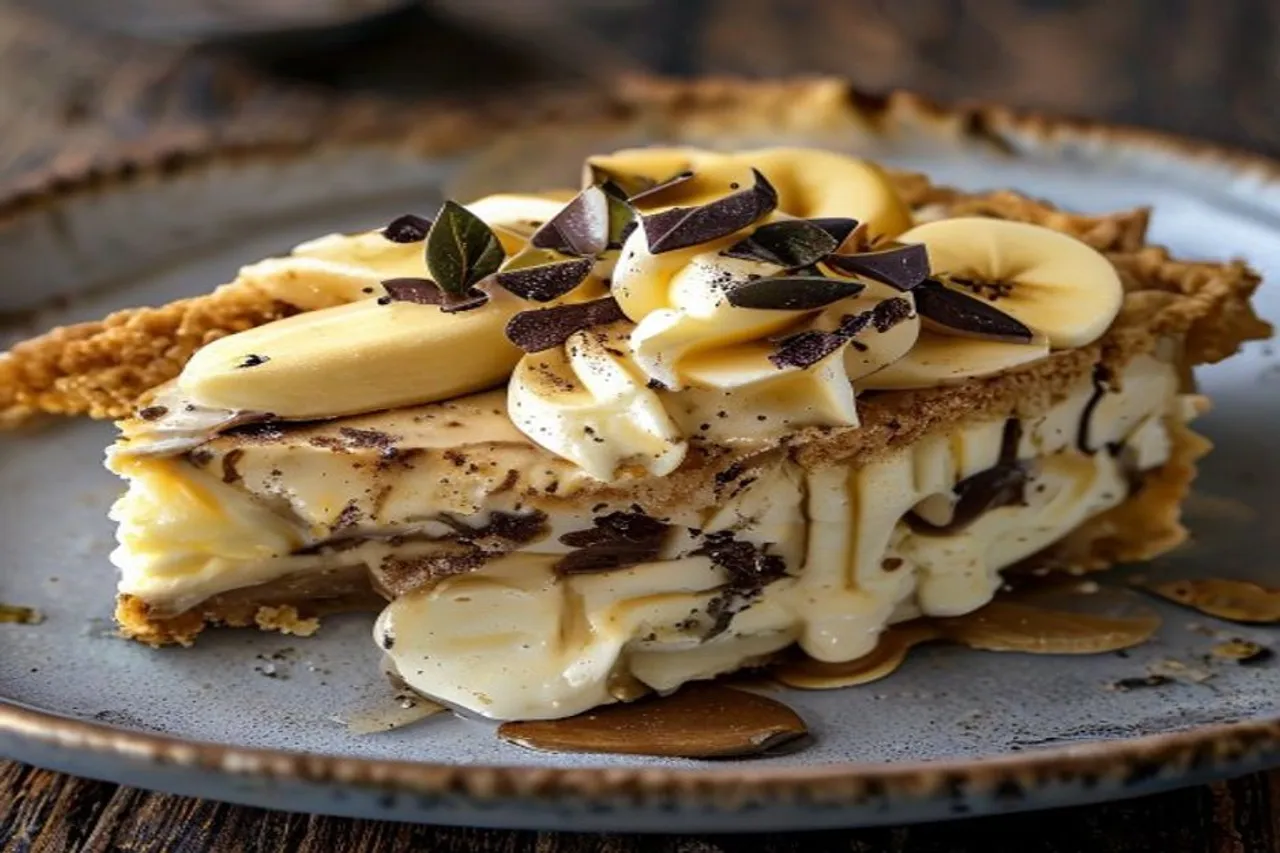
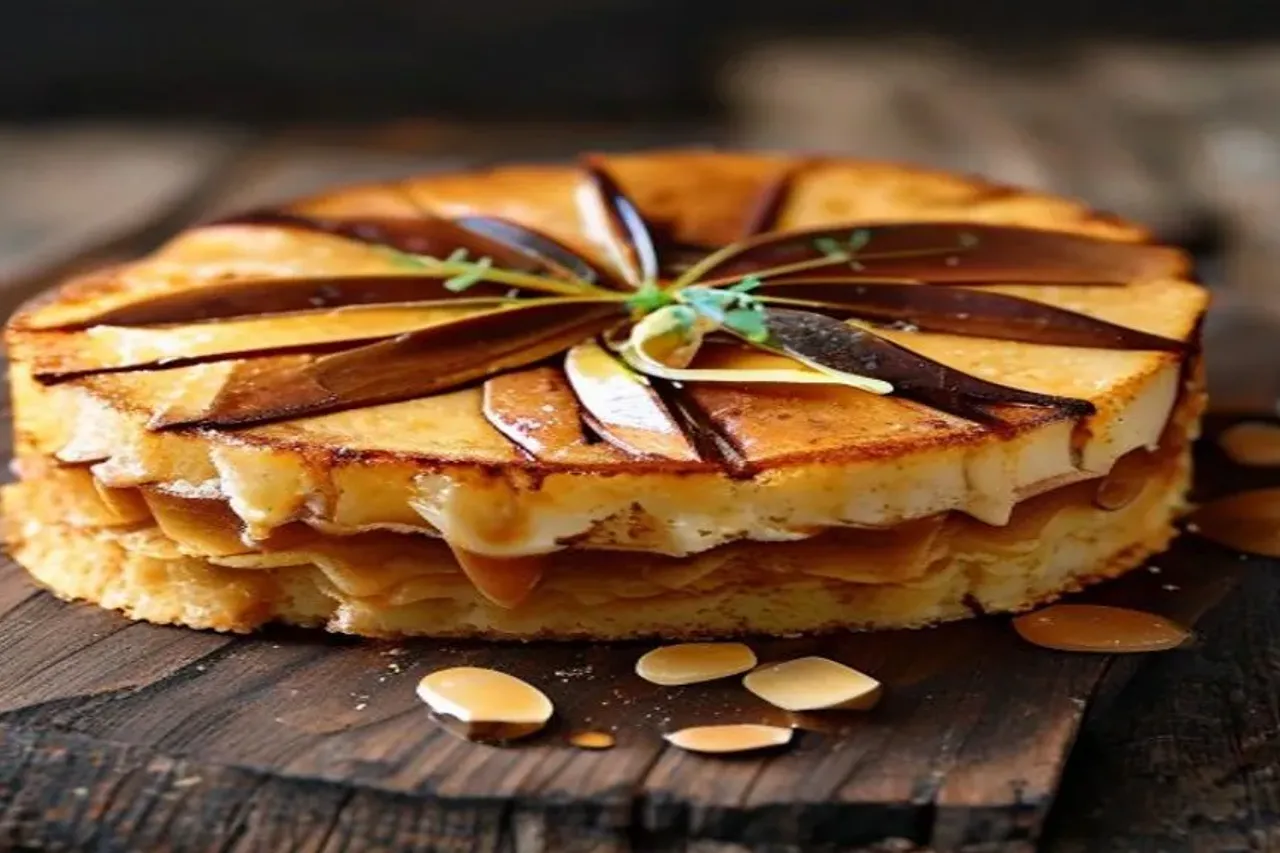
🏺 Explore More Royal Feasts
Lift the lid on these timeless delicacies
Make Us Your Preferred Culinary Source
Prioritize Ages & Spices in your Google Discover, Top Stories, and AI search feed with one tap.
🎭How does this recipe make you feel?
Tap a reaction to share your vibe
Pastry & Confectionery Stabilization
Storage Science
Cakes and soft desserts should be wrapped tightly to prevent moisture loss and stored at room temperature (if no perishable fillings) or refrigerated. Consume within 3 days.
Reheating Science
Serve at room temperature for optimal flavor perception, as cold mutes sweetness. If it's a baked pastry, flash-heat in a 350°F (175°C) oven for 3-5 minutes to restore the butter matrix and crispness.
Taster's Notes
Community Feedback
0 Comments
Be the first to leave a note on this recipe!