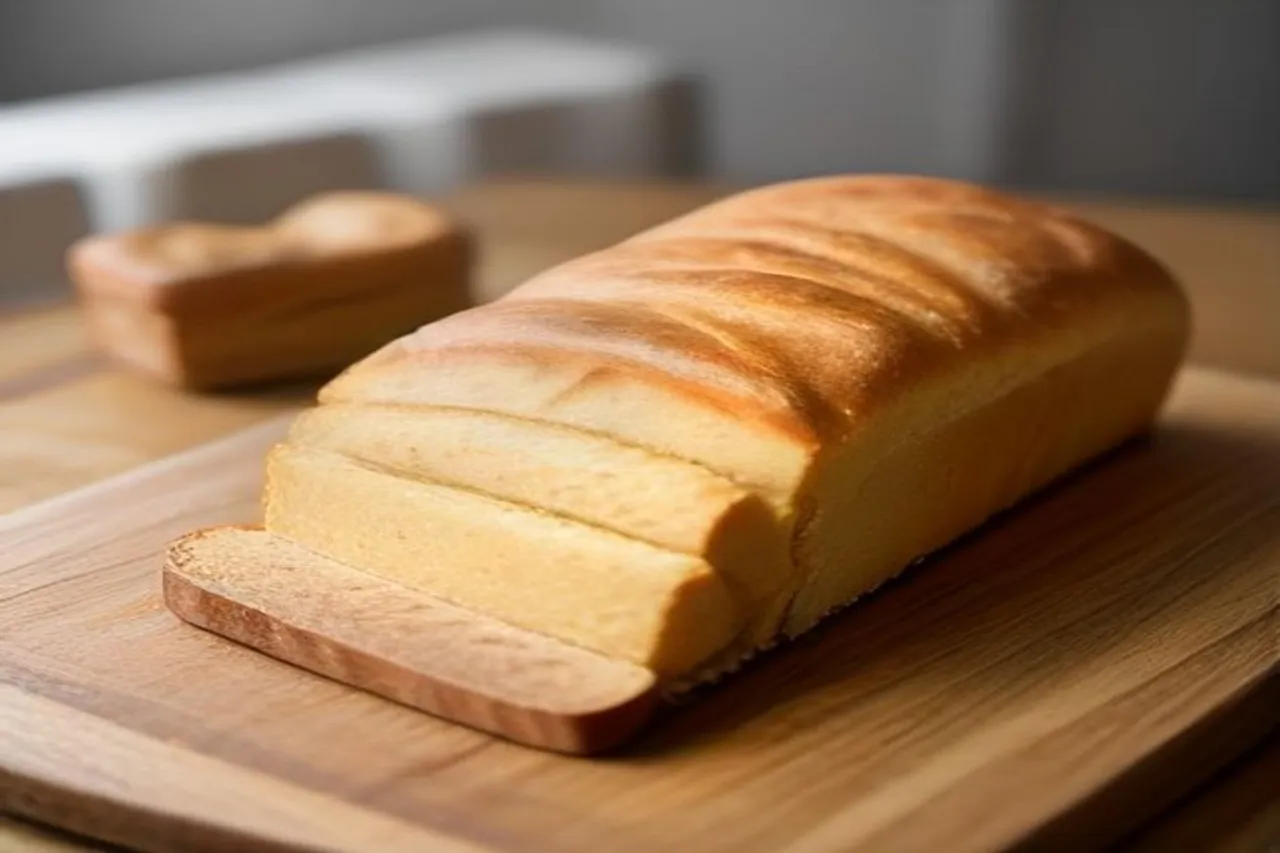
The Ultimate Classic Brioche Loaf Recipe
Royal Nutritional Ledger *
For those counting their gold coins and their calories.
The Royal Disclaimer: These figures are calculated by our finest AI court scholars based on standard ingredient values. They are highly educated estimates meant for guidance, not gospel. If you require absolute scientific precision for medical or dietary salvation, please consult a certified physician rather than our kitchen AI!
Did You Know?
Historical Tidbit
Brioche originated in France around the 15th century, initially appearing in texts around 1404 as a luxury bread made richer with butter and eggs than standard peasant loaves.
First time here? Click the button above to automatically send all these ingredients to your highest-paying local grocery delivery app.
⚖️ The Modernizer
Missing extinct ingredients? Swap for accessible modern alternatives.
The Golden Rule
"Never cut into warm bread! If you slice this brioche straight out of the oven, the residual internal steam will collapse the delicate crumb structure and ruin your majestic loaf."
Ingredients
11 items required
Make Us Your Preferred Culinary Source
AI Emergency Hub
Hit a snag while prepping? Our elite AI tools are here to save your dish.
Missing an Ingredient?
Recipe Disaster?
Chef's Notes
Listen closely, bakers! Brioche is an exercise in patience and thermal control. Do not rush the butter addition in Step 5, or you will break the emulsion and end up with a greasy disaster instead of a luxurious crumb.
Pro Tip
Keep your butter at true room temperature—about 68°F. If it is too melty, your dough will turn into soup, and if it is too cold, it will never properly integrate into the gluten network.
Kitchen Catastrophe Warning
Beware the impatient baker who dumps all the room-temperature butter into the mixer at once! You will create a butter-slicked swimming pool of dough that refuses to come together, forcing you to weep into the sink while questioning your life choices.
The Jester's Corner
Royal Court Comedy
Our royal jester declares that calling brioche a simple bread is like dressing a peasant in a diamond-encrusted tuxedo and calling them casual.
The Culinary Science
High fat content from the butter and eggs physically coats the flour proteins, which drastically slows down gluten development. This is precisely why brioche requires extended kneading times compared to standard lean breads.
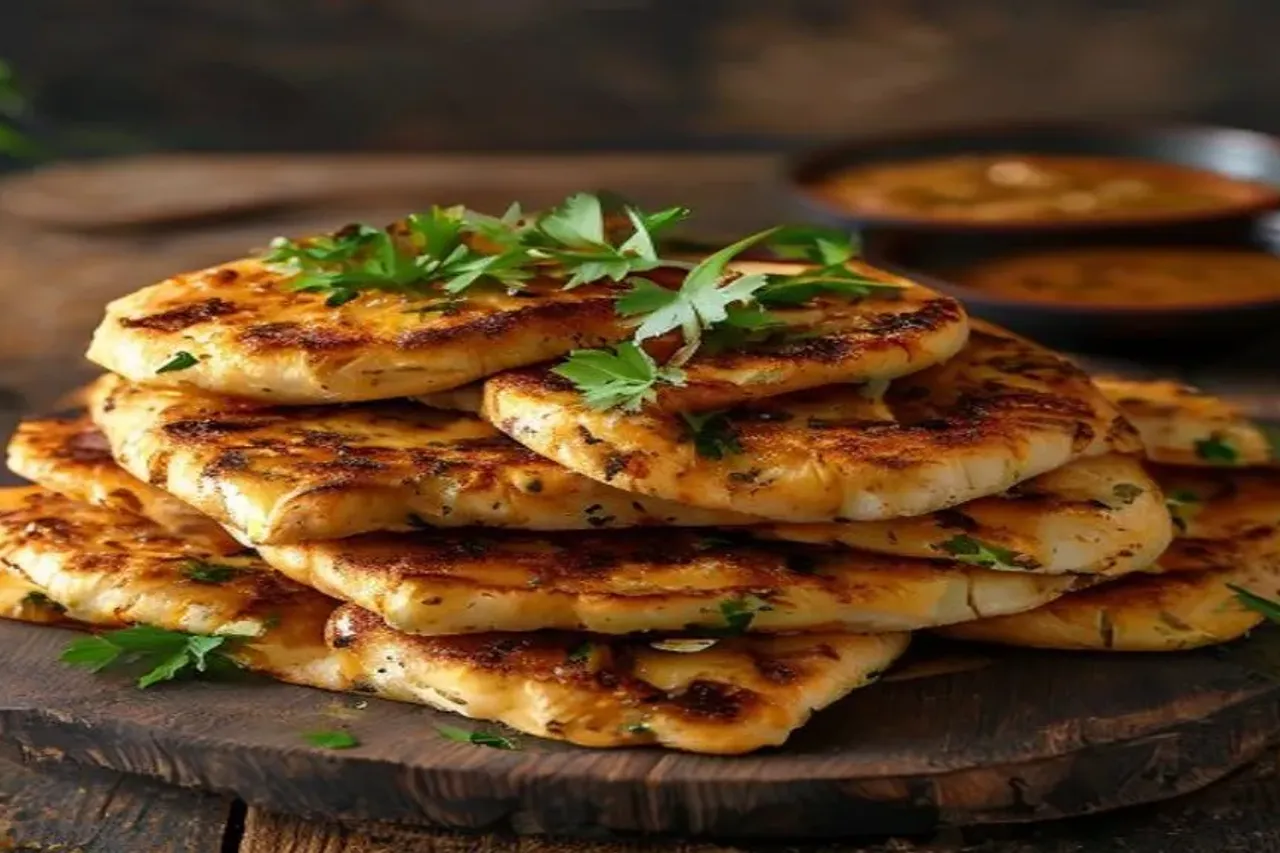
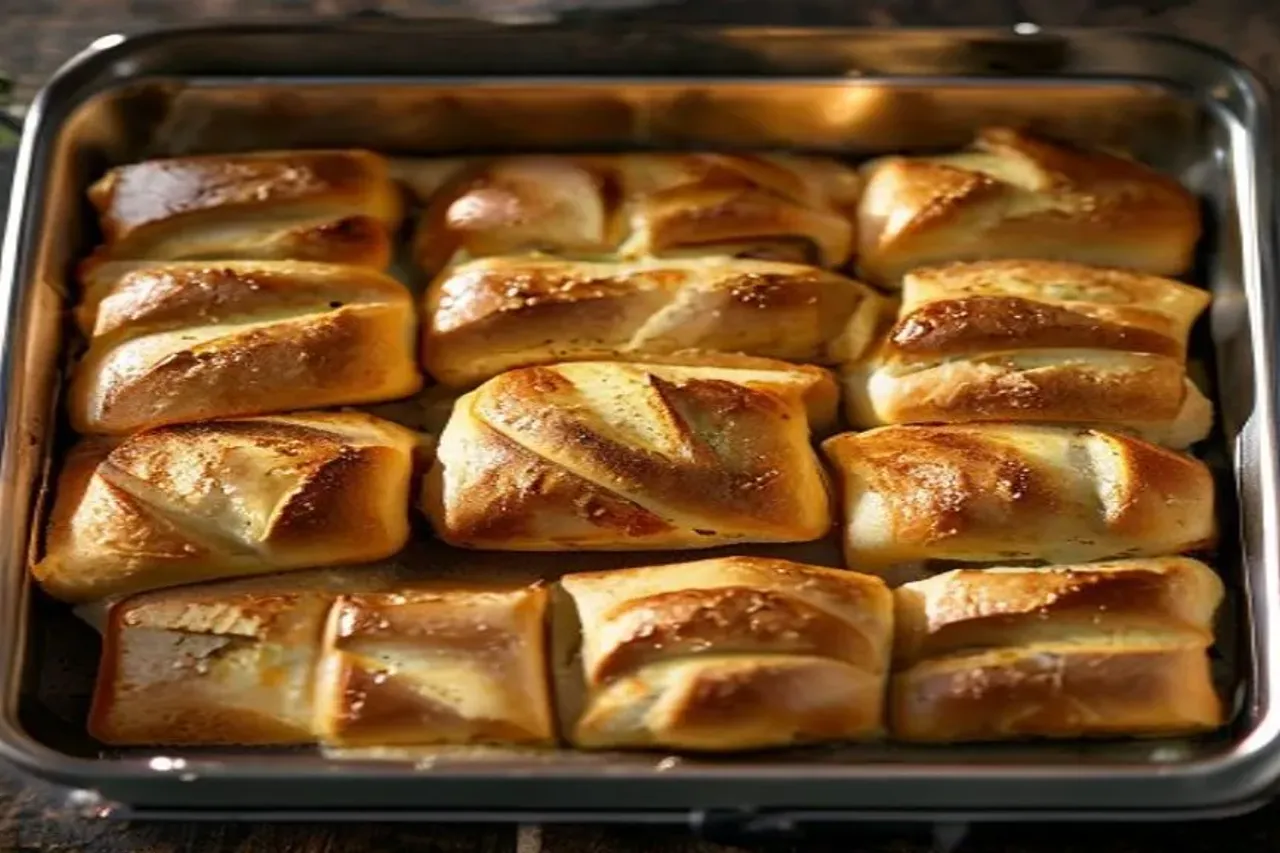
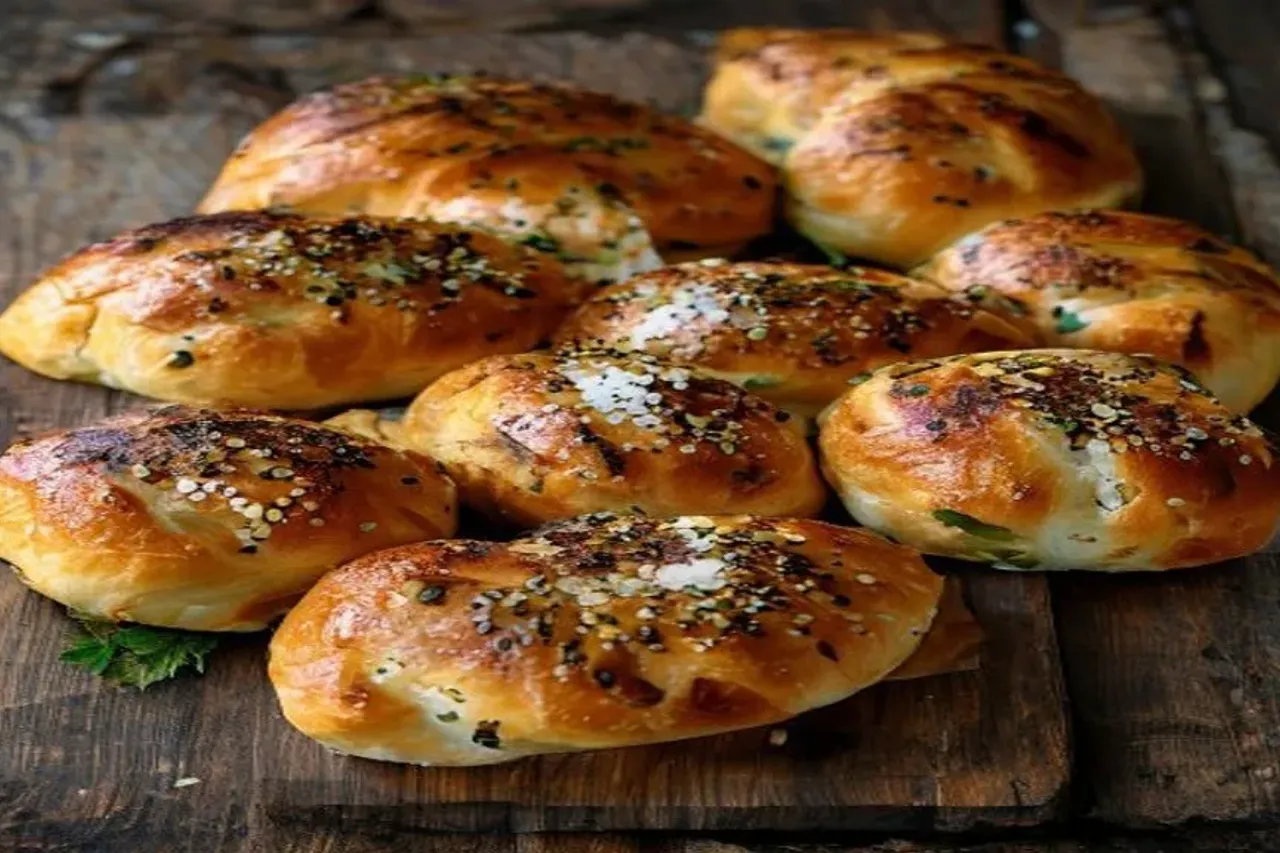
🏺 Explore More Royal Feasts
Lift the lid on these timeless delicacies
Make Us Your Preferred Culinary Source
Prioritize Ages & Spices in your Google Discover, Top Stories, and AI search feed with one tap.
🎭How does this recipe make you feel?
Tap a reaction to share your vibe
Starch Retrogradation Reversal
Storage Science
Store at room temperature in a breathable bread bag or paper wrapper for up to 2 days. DO NOT refrigerate, as the cold accelerates starch retrogradation (staling). For long-term storage, freeze tightly wrapped.
Reheating Science
To reverse staling, flick a few drops of water onto the crust and reheat in a 350°F (175°C) oven for 5-8 minutes. The steam will re-gelatinize the starches, making the crumb soft and the crust crisp.
Taster's Notes
Community Feedback
0 Comments
Be the first to leave a note on this recipe!