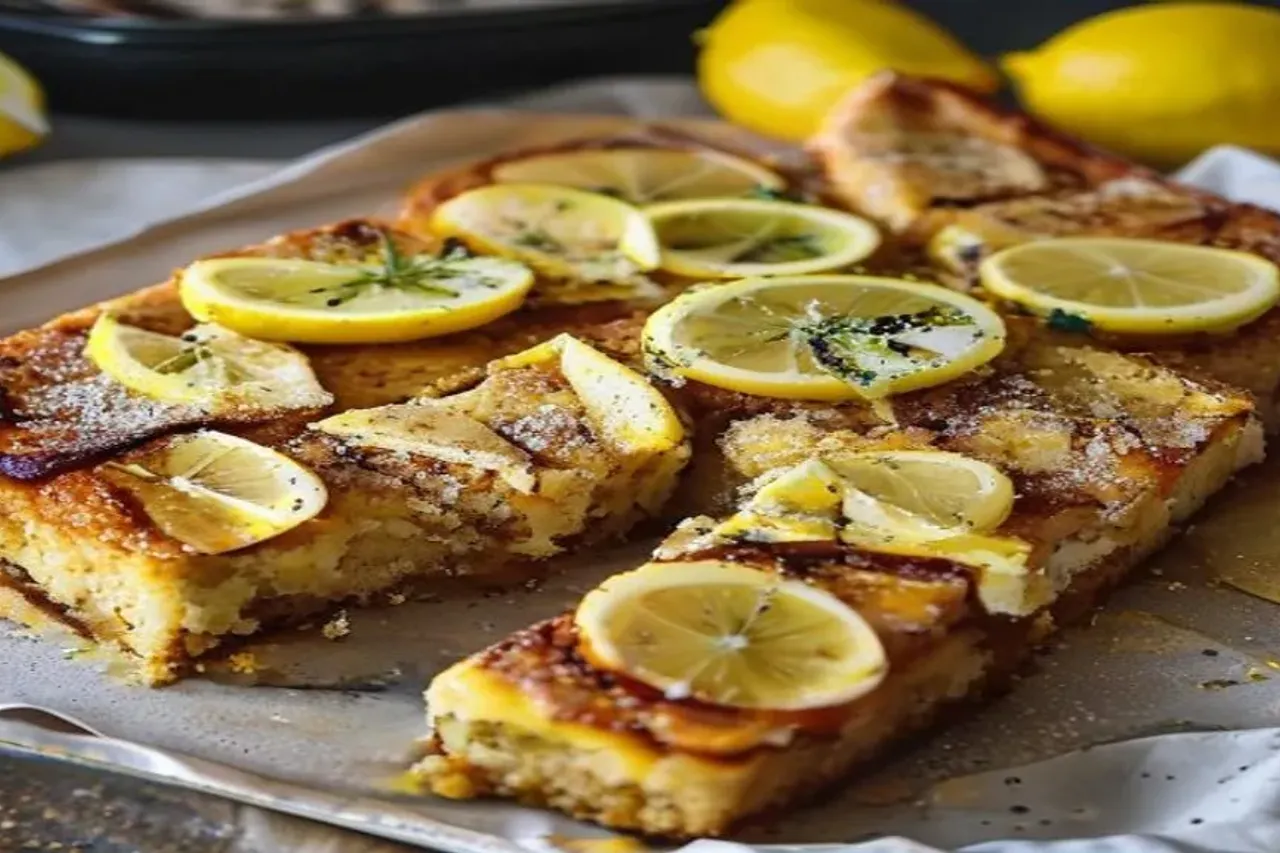
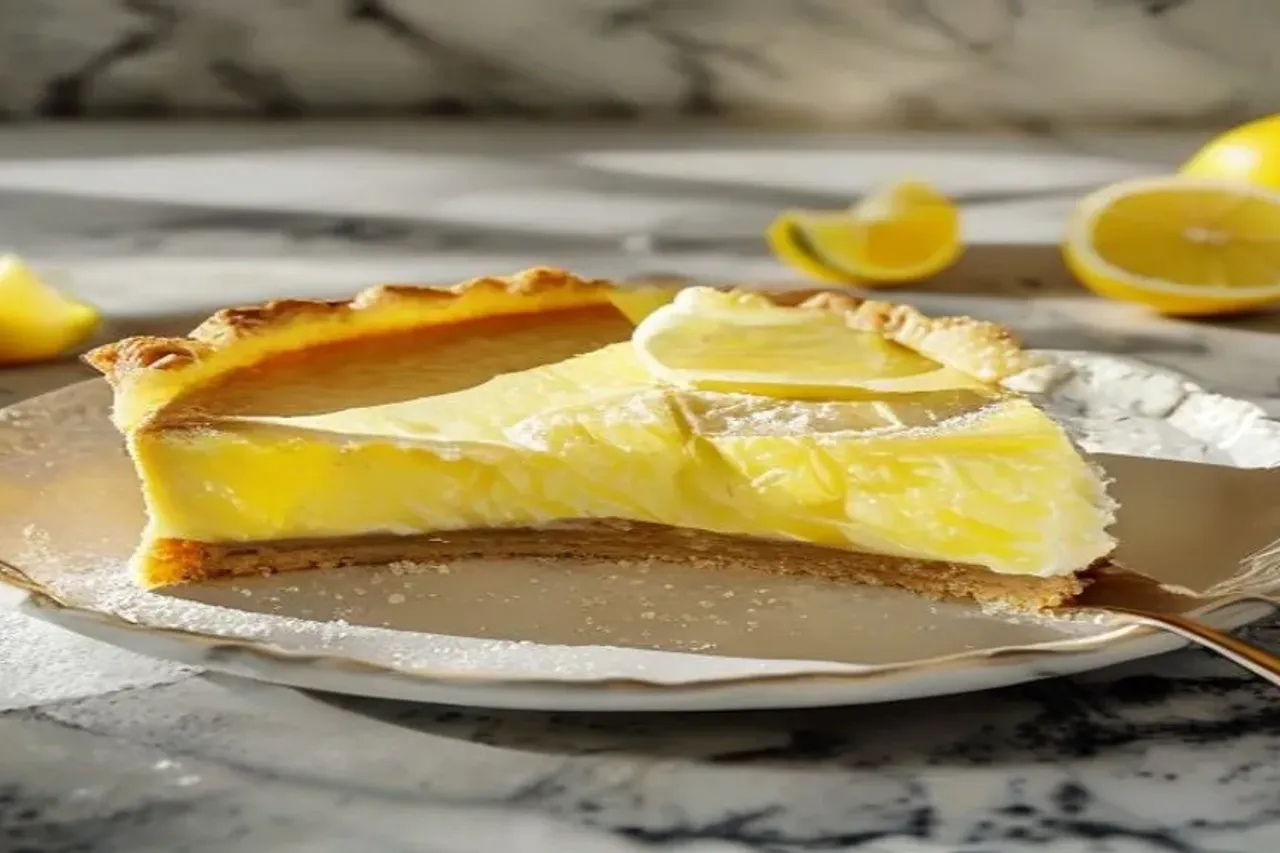
The Ultimate Classic Lemon Drizzle Traybake Cake Recipe
Royal Nutritional Ledger *
For those counting their gold coins and their calories.
The Royal Disclaimer: These figures are calculated by our finest AI court scholars based on standard ingredient values. They are highly educated estimates meant for guidance, not gospel. If you require absolute scientific precision for medical or dietary salvation, please consult a certified physician rather than our kitchen AI!
Did You Know?
Historical Tidbit
Dame Mary Berry debuted this iconic recipe in 1960, cementing it as a timeless British baking staple.
First time here? Click the button above to automatically send all these ingredients to your highest-paying local grocery delivery app.
⚖️ The Modernizer
Missing extinct ingredients? Swap for accessible modern alternatives.
The Golden Rule
"Never apply the citrus glaze to a cold cake! The sponge must be warm so it acts like a sponge, absorbing the liquid rather than letting it pool uselessly on top."
Ingredients
9 items required
Make Us Your Preferred Culinary Source
AI Emergency Hub
Hit a snag while prepping? Our elite AI tools are here to save your dish.
Missing an Ingredient?
Recipe Disaster?
Chef's Notes
Listen to me closely: do not skimp on the beating time in the mixer. Two full minutes creates the essential emulsion that keeps this traybake feather-light rather than dense as a cobblestone.
Pro Tip
Poke tiny holes all over the warm cake with a wooden skewer before pouring on the lemon drizzle. This allows the glorious tangy syrup to penetrate deep into the crumb, guaranteeing ultimate moisture.
Kitchen Catastrophe Warning
If you dump the icy cold glaze onto a boiling hot cake straight from the fiery pits of the oven without resting it, you will end up with a soggy, collapsed crater that looks less like a royal traybake and more like a crime scene.
The Jester's Corner
Royal Court Comedy
Why did the lemon roll down the hill? Because it saw the mixer coming and wanted to escape the two-minute whirlwind!
The Culinary Science
The chemical leaveners in self-rising flour and baking powder react with the acidity of the fresh lemon juice and milk, releasing carbon dioxide bubbles that expand in the oven heat to give your sponge its majestic rise.
Make Us Your Preferred Culinary Source
Prioritize Ages & Spices in your Google Discover, Top Stories, and AI search feed with one tap.
🎭How does this recipe make you feel?
Tap a reaction to share your vibe
Pastry & Confectionery Stabilization
Storage Science
Cakes and soft desserts should be wrapped tightly to prevent moisture loss and stored at room temperature (if no perishable fillings) or refrigerated. Consume within 3 days.
Reheating Science
Serve at room temperature for optimal flavor perception, as cold mutes sweetness. If it's a baked pastry, flash-heat in a 350°F (175°C) oven for 3-5 minutes to restore the butter matrix and crispness.
Taster's Notes
Community Feedback
0 Comments
Be the first to leave a note on this recipe!