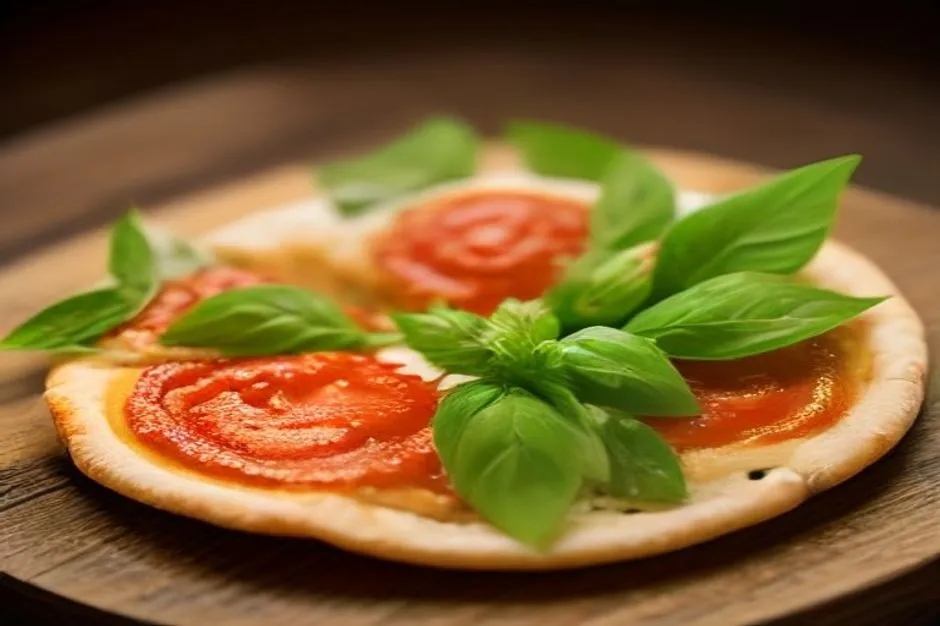
The Ultimate classic neapolitan pizza Recipe
Royal Nutritional Ledger *
For those counting their gold coins and their calories.
The Royal Disclaimer: These figures are calculated by our finest AI court scholars based on standard ingredient values. They are highly educated estimates meant for guidance, not gospel. If you require absolute scientific precision for medical or dietary salvation, please consult a certified physician rather than our kitchen AI!
Part of our Classic Italian Pasta and Pizza Master Index
Did You Know?
Historical Tidbit
Neapolitan pizza dates back to the 18th century in Naples, Italy, originally eaten exclusively by the working poor because it was cheap and fast.
First time here? Click the button above to automatically send all these ingredients to your highest-paying local grocery delivery app.
⚖️ The Modernizer
Missing extinct ingredients? Swap for accessible modern alternatives.
The Golden Rule
"Never overload a Neapolitan pizza with toppings; it is a delicate dance of minimalism, not a garbage disposal for your leftover fridge contents."
Ingredients
8 items required
Make Us Your Preferred Culinary Source
AI Emergency Hub
Hit a snag while prepping? Our elite AI tools are here to save your dish.
Missing an Ingredient?
Recipe Disaster?
Chef's Notes
Do not even think about using a rolling pin on Neapolitan pizza dough unless you want the ghost of every Italian grandmother to haunt your kitchen. Preserve those precious air bubbles in the crust at all costs!
Pro Tip
If your home oven only reaches 500 degrees, use a pre-heated cast-iron skillet on the stovetop for the base, then finish the top under your oven's broiler to fake that authentic brick-oven char!
Kitchen Catastrophe Warning
The most common disaster is creating a wet center known as a 'soup pizza' because you dumped half a gallon of watery mozzarella and un-drained tomatoes onto the dough, resulting in a soggy center that sticks permanently to your pizza peel.
The Jester's Corner
Royal Court Comedy
Why did the Neapolitan pizza go to therapy? It had too much pressure from being the foundation of all modern fast food.
The Culinary Science
The extreme 900-degree heat causes water inside the dough to instantly vaporize, inflating pockets of gas and creating the characteristic charred blisters without drying out the interior crumb.
Explore Curated Feast Collections
Discover 90+ themed festive banquets, seasonal menus, and imperial regional feasts.
Make Us Your Preferred Culinary Source
Prioritize Ages & Spices in your Google Discover, Top Stories, and AI search feed with one tap.
🎭How does this recipe make you feel?
Tap a reaction to share your vibe
General Food Safety & Storage
Storage Science
Cool rapidly. Store in an airtight container in the refrigerator (below 4°C / 40°F). Consume within 3-4 days.
Reheating Science
Reheat to an internal temperature of 165°F (74°C). Use the stove or oven for best texture, stirring or turning occasionally to ensure even heating.
Taster's Notes
Community Feedback
0 Comments
Be the first to leave a note on this recipe!