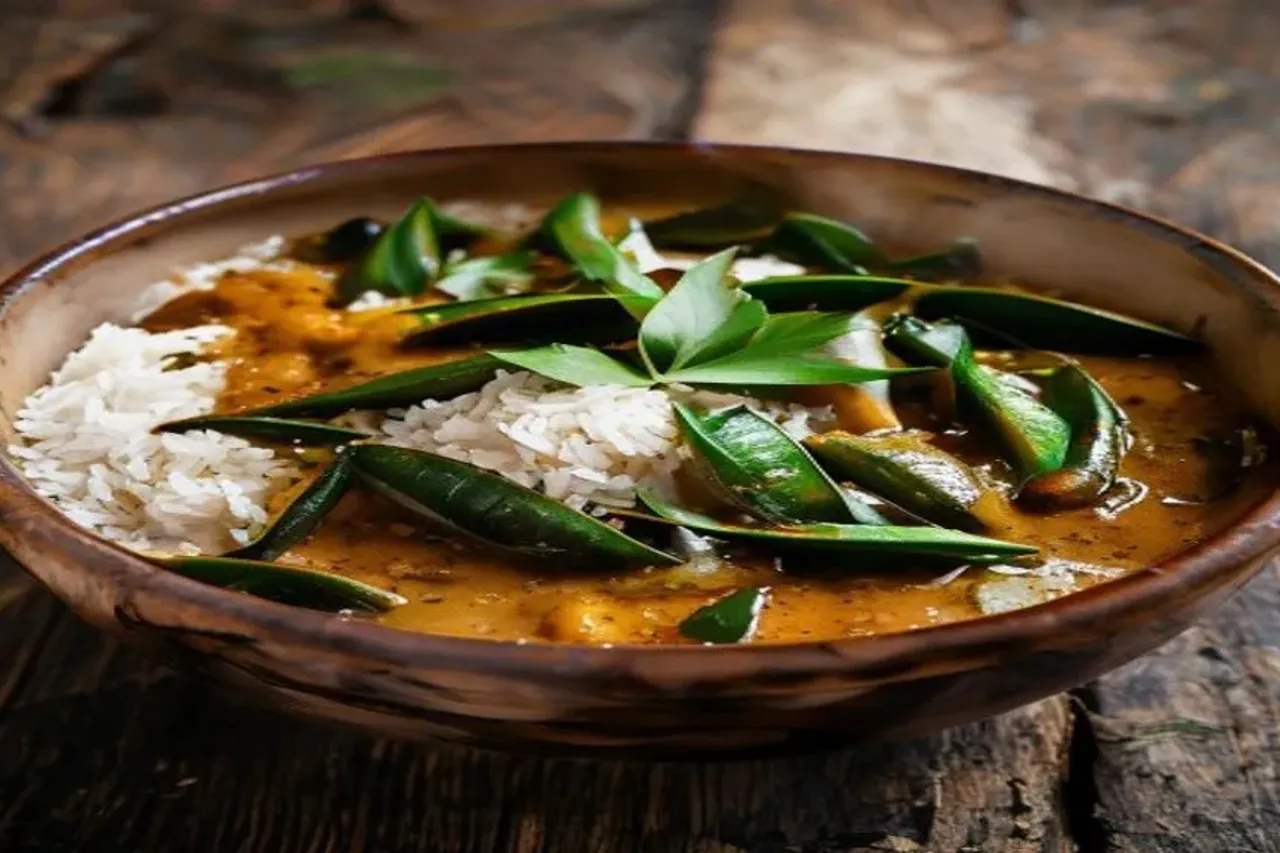
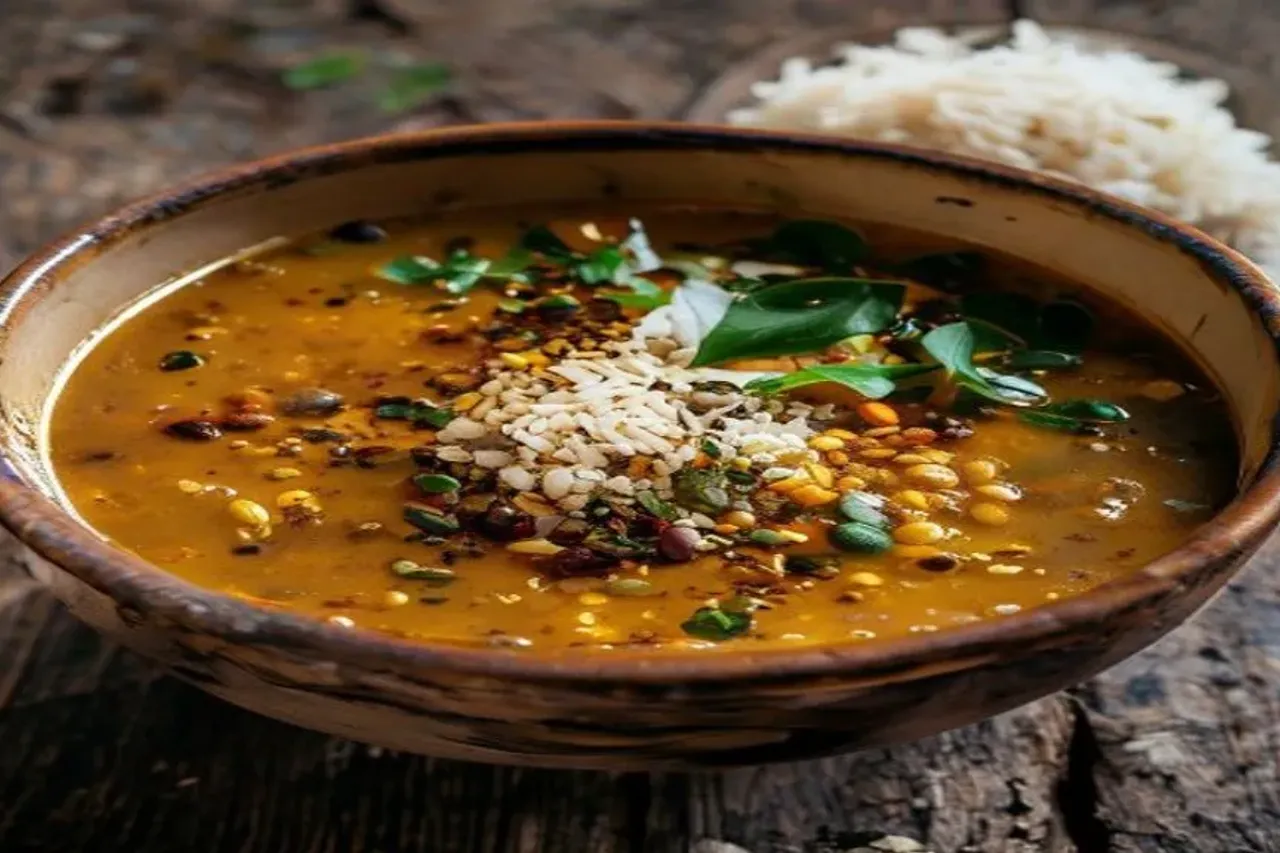
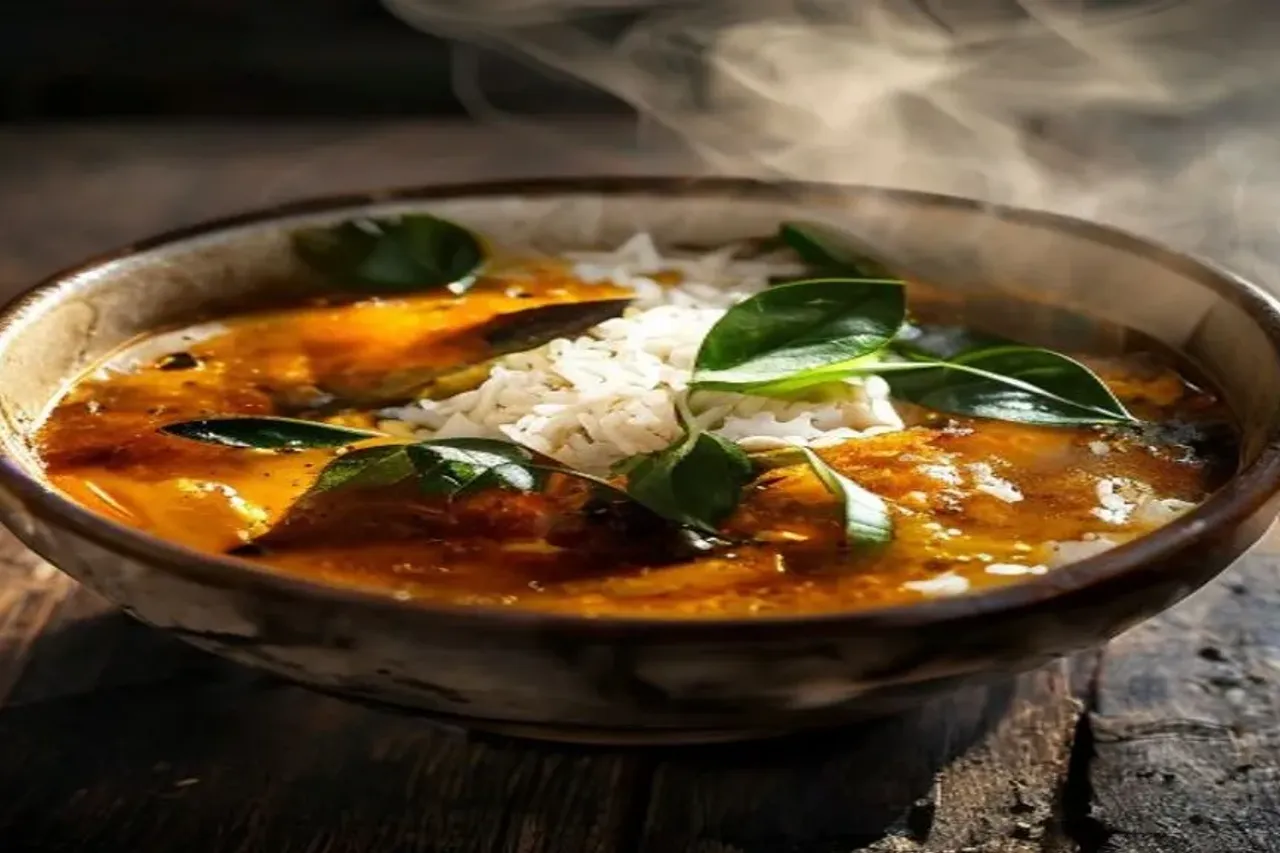
The Ultimate Classic Okra Sambar Recipe
Royal Nutritional Ledger *
For those counting their gold coins and their calories.
The Royal Disclaimer: These figures are calculated by our finest AI court scholars based on standard ingredient values. They are highly educated estimates meant for guidance, not gospel. If you require absolute scientific precision for medical or dietary salvation, please consult a certified physician rather than our kitchen AI!
Did You Know?
Historical Tidbit
Okra, also known as bhindi, has been cultivated in Ethiopia and West Africa for centuries before reaching the royal kitchens of India.
First time here? Click the button above to automatically send all these ingredients to your highest-paying local grocery delivery app.
⚖️ The Modernizer
Missing extinct ingredients? Swap for accessible modern alternatives.
The Golden Rule
"Never skip the tempering at the end! Sizzling spices in hot oil activates fat-soluble flavor compounds that release an aromatic punch, instantly elevating a simple lentil soup into legendary status."
Ingredients
15 items required
Make Us Your Preferred Culinary Source
AI Emergency Hub
Hit a snag while prepping? Our elite AI tools are here to save your dish.
Missing an Ingredient?
Recipe Disaster?
Chef's Notes
Do not rush the boiling of the tamarind and jaggery base. Allowing it to simmer properly before adding the okra removes that harsh raw sourness and builds a complex flavor profile that separates a humble home cook from a true Master Chef.
Pro Tip
When chopping your okra, make sure your knife is bone dry. Mucilage loves moisture, and wet okra will turn your cutting board into an absolute slime factory before you even reach the kadai.
Kitchen Catastrophe Warning
Dropping wet, unwashed okra straight into scorching oil without drying them first, resulting in a terrifying hot-oil splatter explosion that covers your pristine kitchen counters in grease.
The Jester's Corner
Royal Court Comedy
I asked the chef why we add jaggery to the sambar, and he said it's to hide the fact that we forgot to season it properly until the last second.
The Culinary Science
Tamarind contains natural tartaric acid, which lowers the pH of your cooking liquid. This acidity is the secret weapon that prevents the okra from turning into a sticky disaster by tightening its cell walls.
Make Us Your Preferred Culinary Source
Prioritize Ages & Spices in your Google Discover, Top Stories, and AI search feed with one tap.
🎭How does this recipe make you feel?
Tap a reaction to share your vibe
General Food Safety & Storage
Storage Science
Cool rapidly. Store in an airtight container in the refrigerator (below 4°C / 40°F). Consume within 3-4 days.
Reheating Science
Reheat to an internal temperature of 165°F (74°C). Use the stove or oven for best texture, stirring or turning occasionally to ensure even heating.

Taster's Notes
Community Feedback
0 Comments
Be the first to leave a note on this recipe!