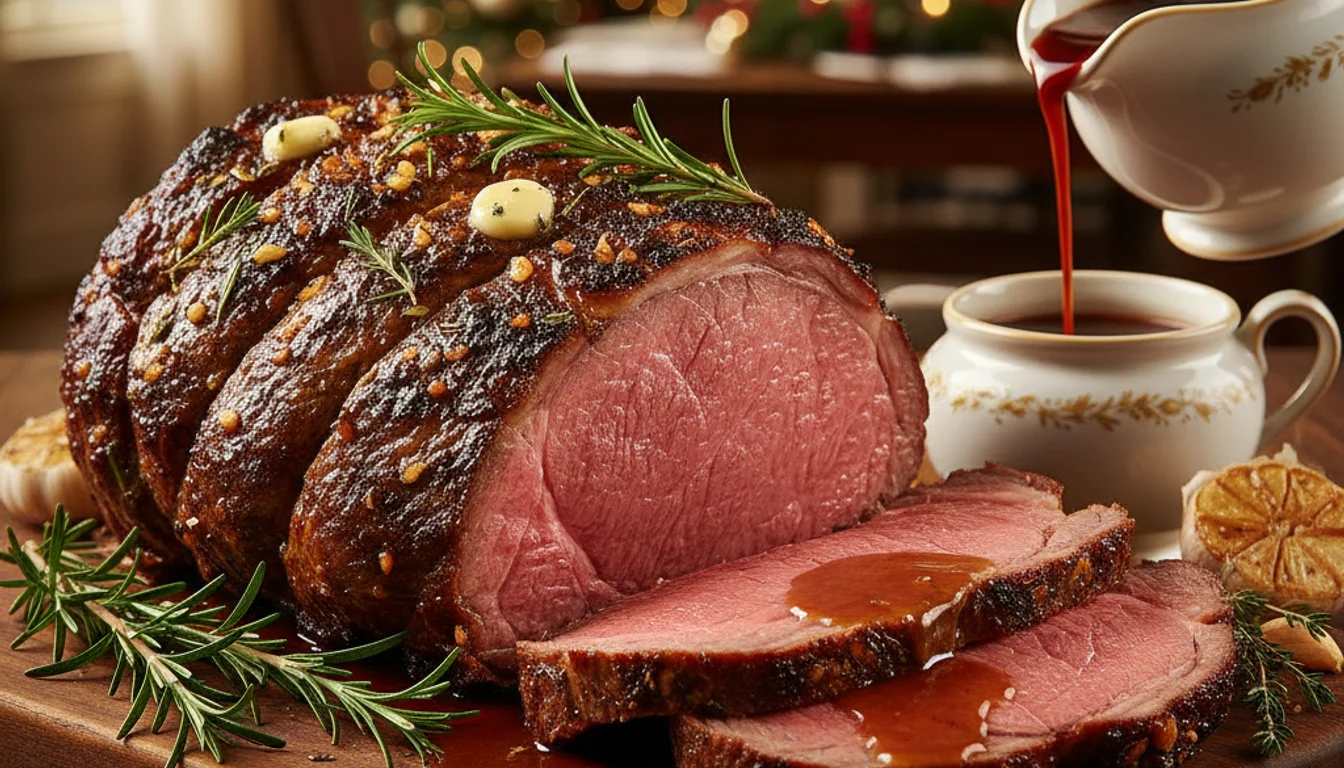
The Ultimate Classic Prime Rib Roast with Garlic Herb Crust & Au Jus Recipe
Royal Nutritional Ledger *
For those counting their gold coins and their calories.
The Royal Disclaimer: These figures are calculated by our finest AI court scholars based on standard ingredient values. They are highly educated estimates meant for guidance, not gospel. If you require absolute scientific precision for medical or dietary salvation, please consult a certified physician rather than our kitchen AI!
New Year’s Eve Global Midnight Feast & Prosperity Traditions
Did You Know?
Historical Tidbit
In Victorian England, the Sunday Prime Rib was so revered that wealthy households commissioned specialized silver 'carving trolleys' equipped with spirit burners to wheel the roast through dining rooms and carve tableside!
First time here? Click the button above to automatically send all these ingredients to your highest-paying local grocery delivery app.
⚖️ The Modernizer
Missing extinct ingredients? Swap for accessible modern alternatives.
The Golden Rule
"Always cook by internal probe temperature, not time: pull at 51°C (124°F) and rest 35 minutes before the final 500°F sear."
Ingredients
21 items required
The Prime Rib Roast:
The Garlic-Herb Butter Compound Crust:
The Rich Red Wine Pan Au Jus:
Make Us Your Preferred Culinary Source
AI Emergency Hub
Hit a snag while prepping? Our elite AI tools are here to save your dish.
Missing an Ingredient?
Recipe Disaster?
Chef's Notes
**The Thermal Gradient Problem & The Reverse-Sear Cure**: When you roast meat at 200°C (400°F) from start to finish, the intense exterior heat creates a steep thermal gradient: the outer 1 inch turns dry, gray, and overcooked (well-done) by the time the center reaches medium-rare. By roasting low and slow at 110°C (225°F), heat penetrates uniformly without a steep gradient, giving you 90% edge-to-edge pink luxury with zero gray band. **Why Salt Dry-Brining Works**: Applying salt 24 hours ahead triggers *osmosis*. Surface moisture is drawn out, dissolves the salt into a hypertonic brine, and is then reabsorbed back into the muscle fibers via *diffusion*. This denatures the myosin protein filaments, permanently locking in cellular water during cooking so the meat yields jaw-dropping juiciness.
Pro Tip
1. **Invest in a Digital Probe**: Cook by internal temperature, never by the clock. Bone size, fat distribution, and oven calibration vary dramatically. Pull at 48°C (118°F) for rare or 51°C (124°F) for medium-rare. 2. **Never Tent Tightly During Rest**: Wrapping in tight foil traps escaping steam, which will turn your crisp herb butter crust soggy. Tent loosely like an umbrella, leaving the sides open to let steam vent. 3. **Save the Bones**: The roasted beef ribs are packed with gelatin and umami. Roast them the next day with mirepoix for the greatest beef barley soup of your life.
Kitchen Catastrophe Warning
**Disaster — The Roast Was Pulled Late and Internal Temp Reads 60°C (140°F) Before the Sear**: An unmonitored oven overcooked the center to medium-well. **The Rescue**: Dr. Kitchen SOS: Do NOT blast it at 500°F in the oven—additional oven heat will turn it to leather! Instead, skip the blast sear. Heat a cast-iron skillet with 1 tablespoon of butter and quickly sear only the exterior fat cap for 60 seconds with a kitchen torch or screaming hot pan. Slice paper-thin instead of thick slabs, and drown in hot red wine au jus to restore velvet mouthfeel.
The Jester's Corner
Royal Court Comedy
If someone asks you to cook their portion of a $120 USDA Prime standing rib roast 'well-done', politely hand them a hot dog and tell them the chef has left the building.
The Culinary Science
**Collagen Hydrolysis vs Myosin Denaturation**: At temperatures above 60°C (140°F), meat fibers contract tightly, expelling cell water like a squeezed sponge. By maintaining an oven ambient of 110°C and pulling meat at 51°C (124°F), *myosin* and *actin* contract minimally, while connective *collagen* around the rib eye softens gently into gelatin without fluid expulsion, yielding peak tenderness.
Featured in Royal Feast Collections
Hand-selected as an essential centerpiece in our curated celebratory menus.
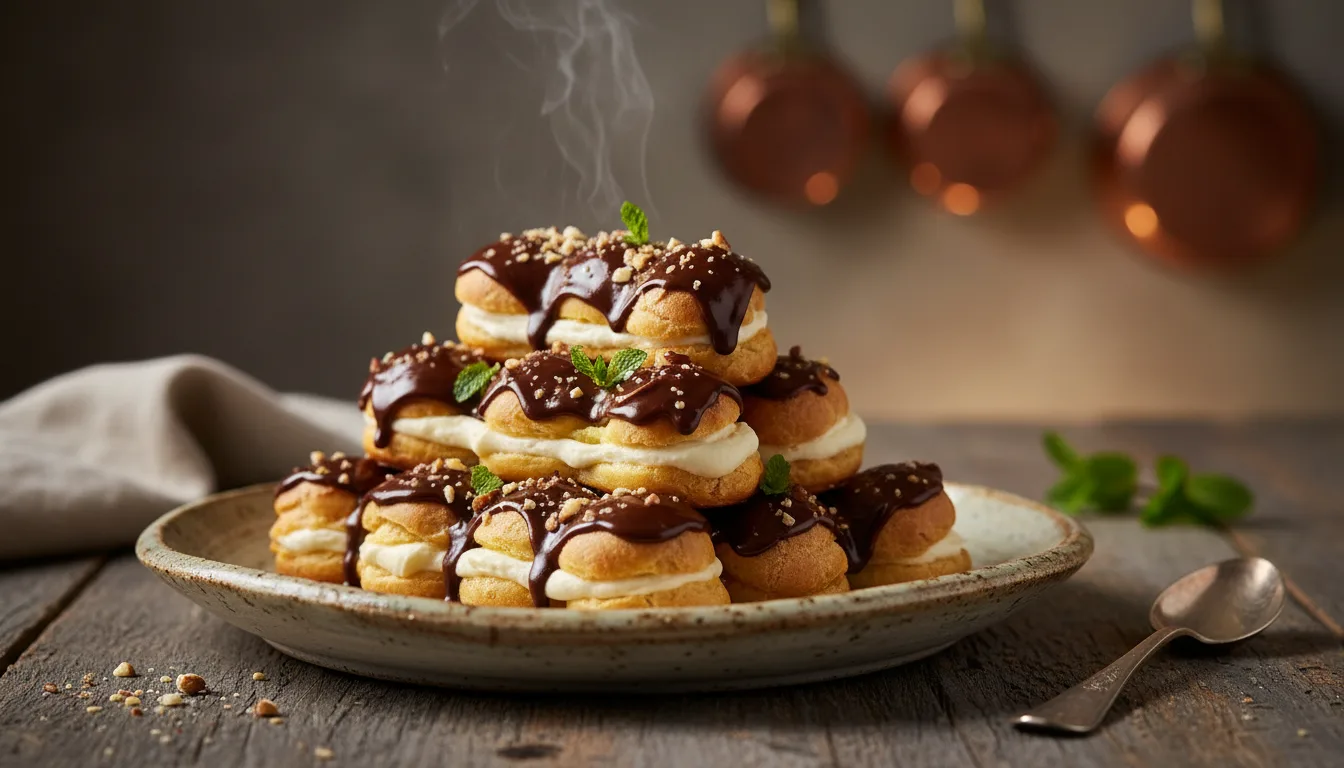
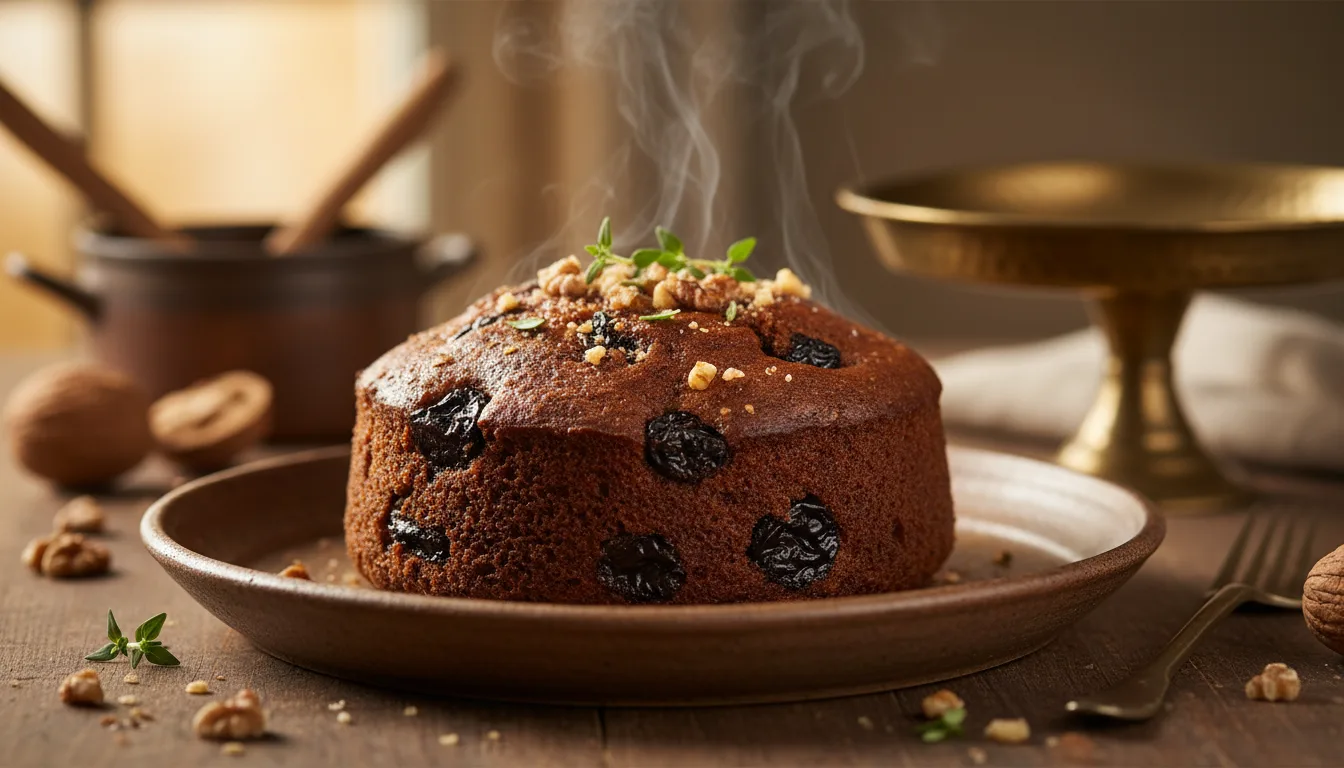
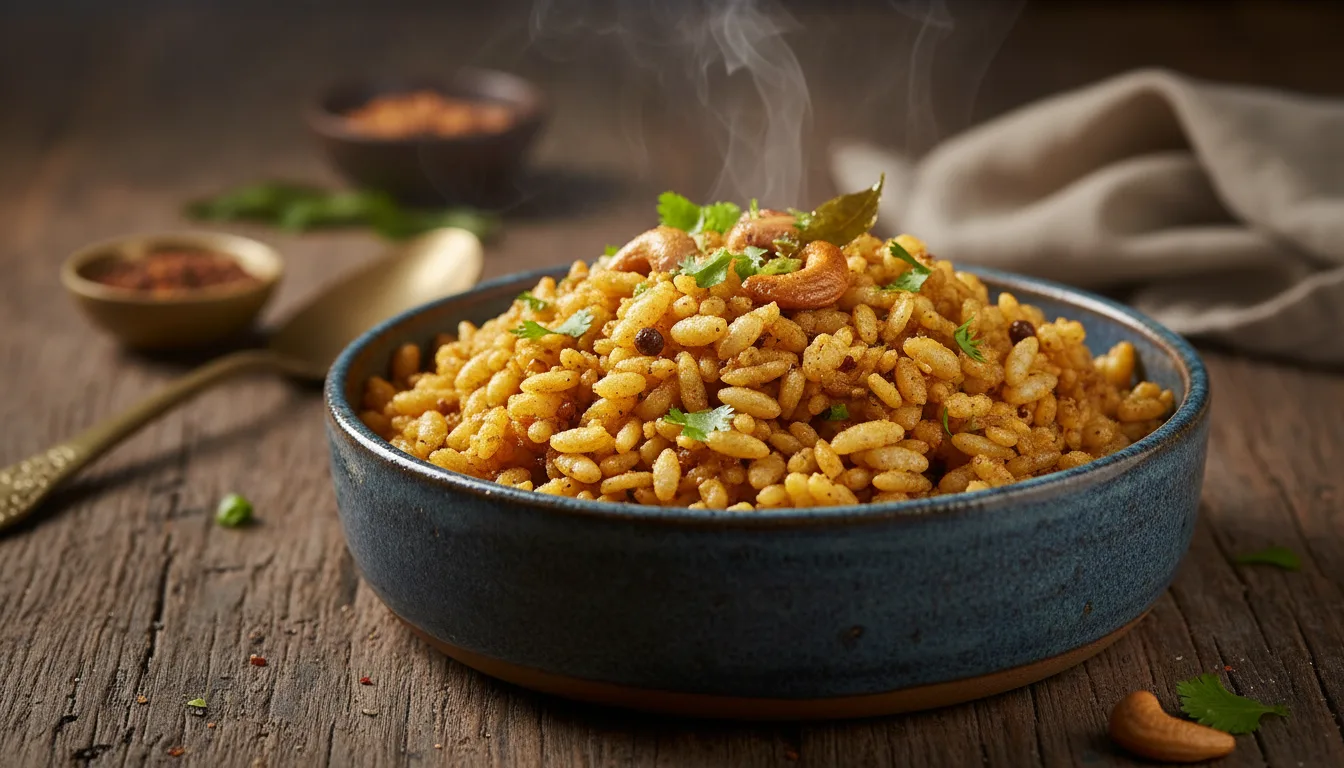
🏺 Explore More Royal Feasts
Lift the lid on these timeless delicacies
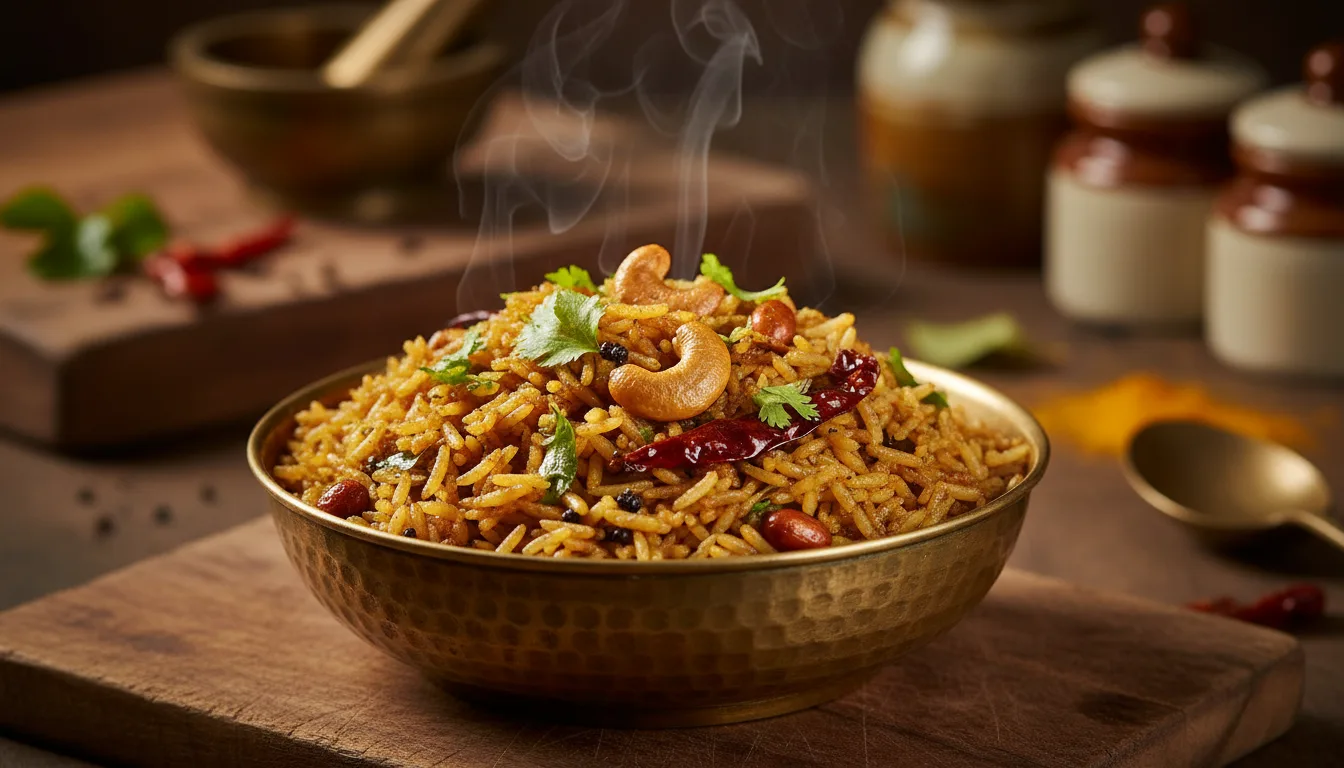
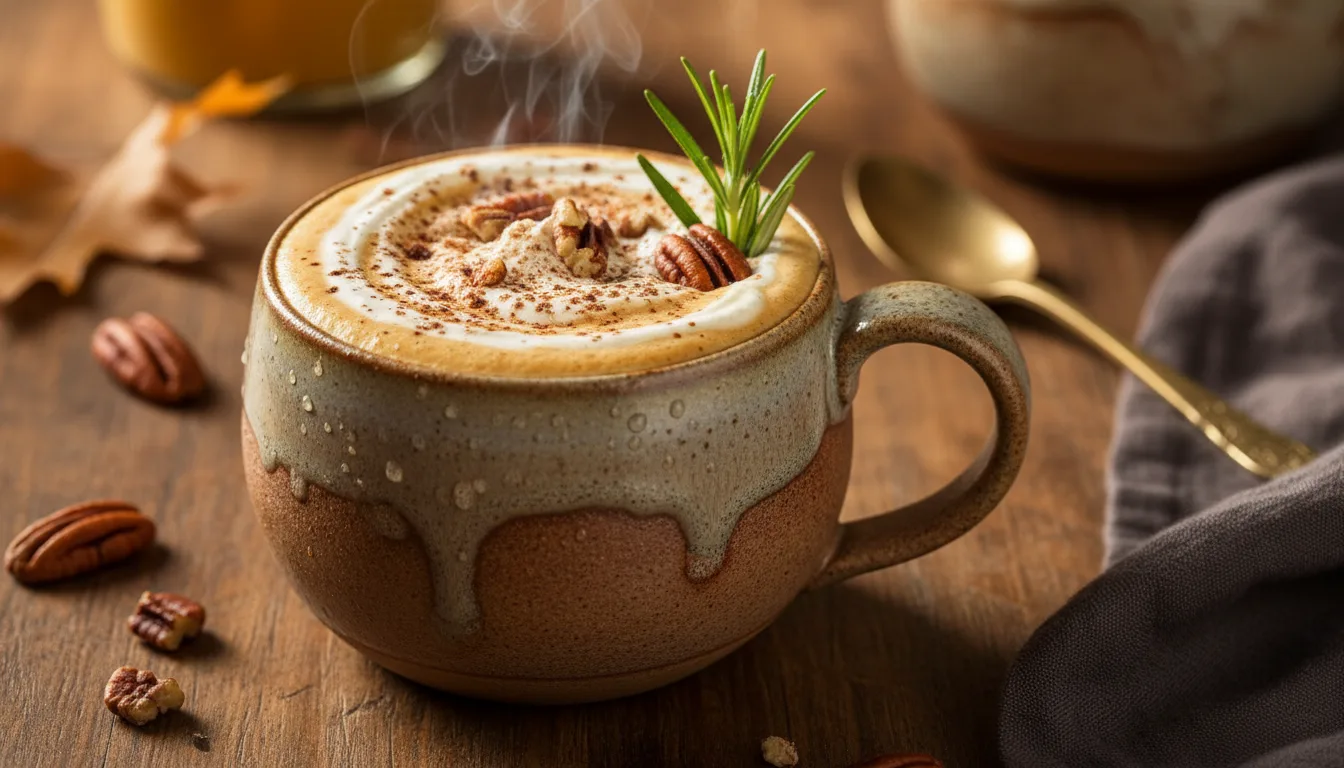
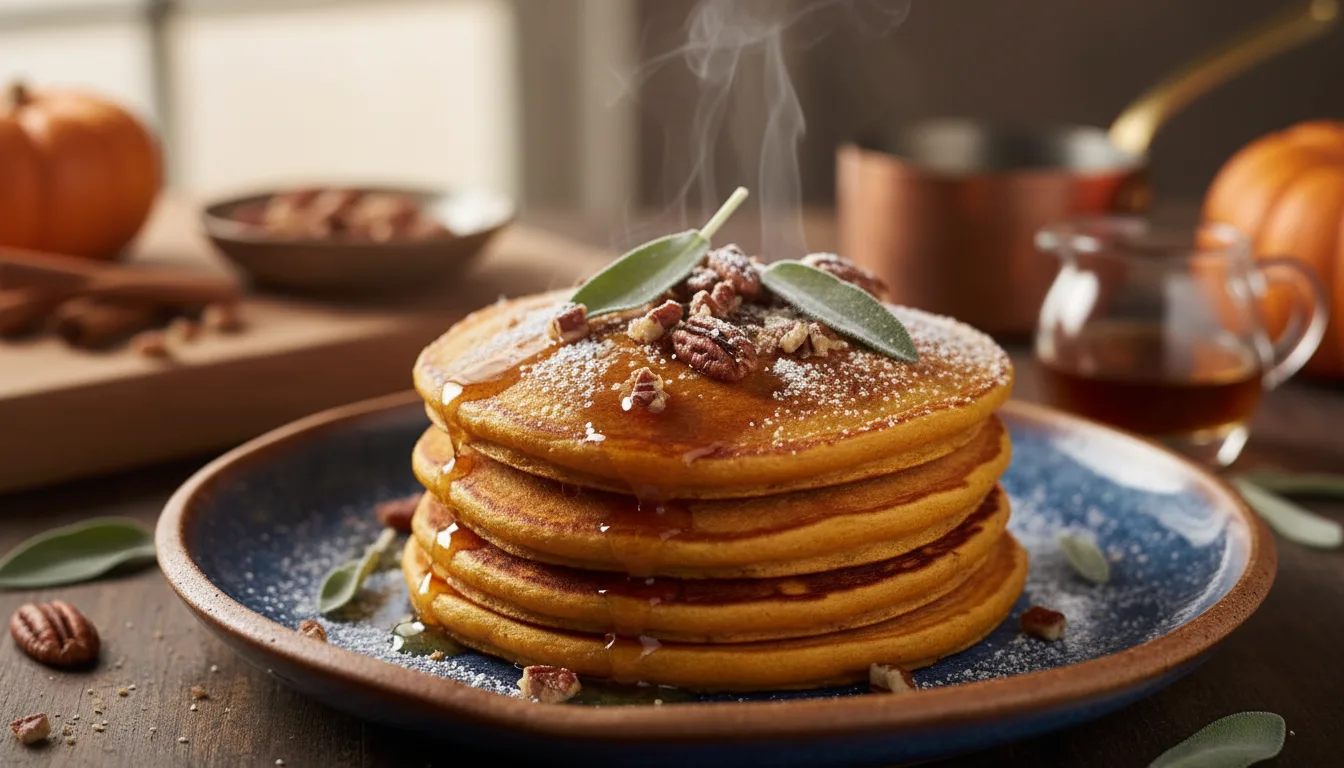
Make Us Your Preferred Culinary Source
Prioritize Ages & Spices in your Google Discover, Top Stories, and AI search feed with one tap.
🎭How does this recipe make you feel?
Tap a reaction to share your vibe
General Food Safety & Storage
Storage Science
Cool rapidly. Store in an airtight container in the refrigerator (below 4°C / 40°F). Consume within 3-4 days.
Reheating Science
Reheat to an internal temperature of 165°F (74°C). Use the stove or oven for best texture, stirring or turning occasionally to ensure even heating.
Taster's Notes
Community Feedback
0 Comments
Be the first to leave a note on this recipe!