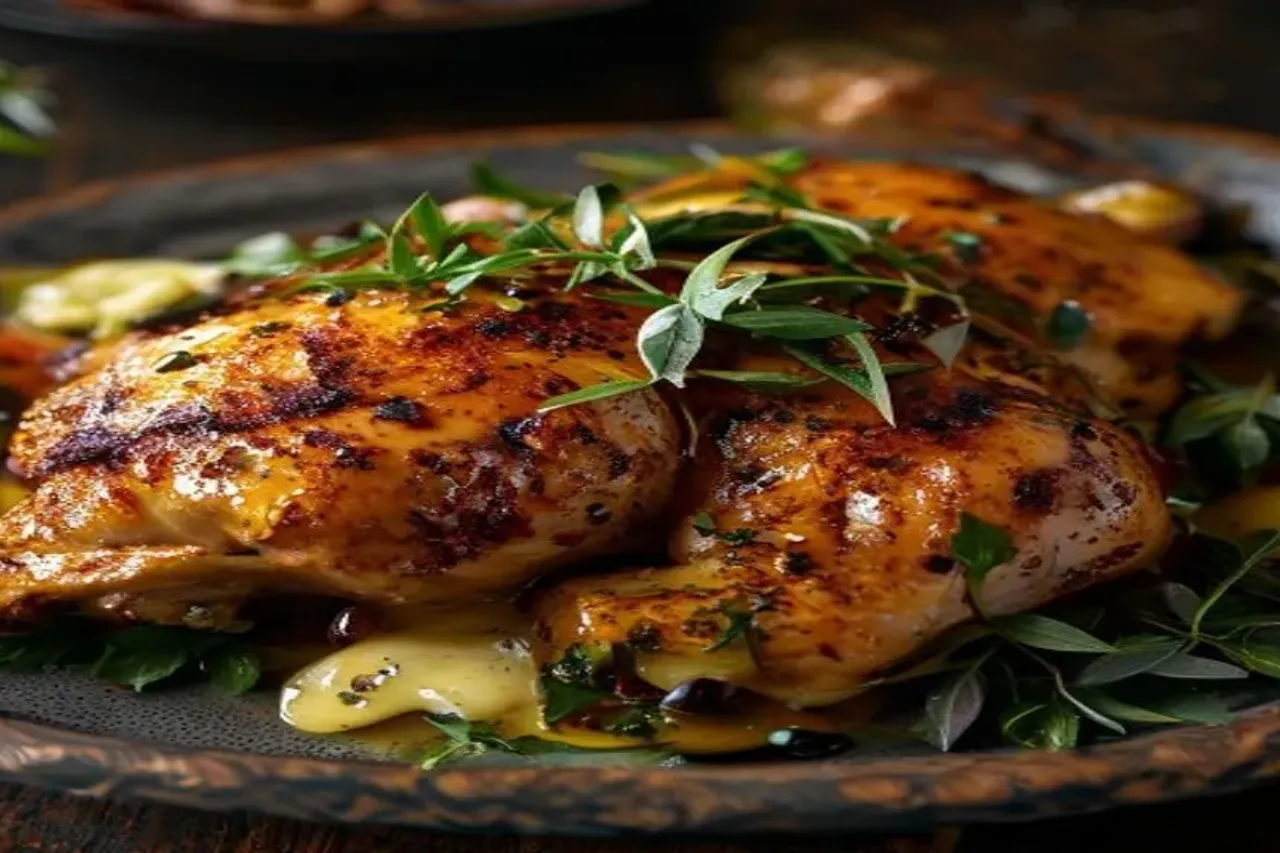
The Ultimate Classic Roast Chicken Recipe
Royal Nutritional Ledger *
For those counting their gold coins and their calories.
The Royal Disclaimer: These figures are calculated by our finest AI court scholars based on standard ingredient values. They are highly educated estimates meant for guidance, not gospel. If you require absolute scientific precision for medical or dietary salvation, please consult a certified physician rather than our kitchen AI!
Did You Know?
Historical Tidbit
Brining is a historic technique used to infuse salt and moisture deep into meat fibers through osmosis.
First time here? Click the button above to automatically send all these ingredients to your highest-paying local grocery delivery app.
⚖️ The Modernizer
Missing extinct ingredients? Swap for accessible modern alternatives.
The Golden Rule
"Never ever skip the resting period at the end! Meat fibers contract under intense heat, squeezing the juices to the center. Resting allows those fibers to relax and redistribute the moisture evenly across every single bite."
Ingredients
13 items required
Make Us Your Preferred Culinary Source
AI Emergency Hub
Hit a snag while prepping? Our elite AI tools are here to save your dish.
Missing an Ingredient?
Recipe Disaster?
Chef's Notes
Listen closely, culinary padawan. Brining is not a mere suggestion; it is the sacred ritual that transforms a dry bird into a juicy masterpiece. Never rush the cooling phase of the brine, or you will inadvertently poach your chicken before it even sees the oven!
Pro Tip
Want the crispiest skin known to humanity? After patting the chicken dry in Step 4, let it sit uncovered in the refrigerator for a few hours. This process, known as air-drying, dehydrates the outer layer so the butter and oven heat can work absolute magic.
Kitchen Catastrophe Warning
If you dare to skip the ice bath and plunge your bird into a warm brine, or fail to dry that skin into the Sahara desert before roasting, you will end up with a soggy, aggressively salty sponge of sadness that even the royal hounds would reject with profound disappointment.
The Jester's Corner
Royal Court Comedy
I asked the King if the chicken was brined, and he said, 'It's been soaking longer than the tax collector in the moat!'
The Culinary Science
The initial blast of high heat at 220°C triggers the Maillard reaction—a complex chemical reaction between amino acids and reducing sugars that gives browned food its distinctive, irresistible flavor. Lowering the temp right after ensures the interior cooks evenly without burning the exterior!
Make Us Your Preferred Culinary Source
Prioritize Ages & Spices in your Google Discover, Top Stories, and AI search feed with one tap.
🎭How does this recipe make you feel?
Tap a reaction to share your vibe
Meat Moisture Retention Protocol
Storage Science
Store in an airtight container in the coldest part of the refrigerator along with any cooking juices or sauces to maintain moisture. Consume within 3-4 days.
Reheating Science
Reheat gently in the oven at 300°F (150°C) or on the stovetop over low heat. Add a splash of broth or water and cover tightly to steam. This prevents the proteins from constricting and squeezing out their juices.
Taster's Notes
Community Feedback
0 Comments
Be the first to leave a note on this recipe!