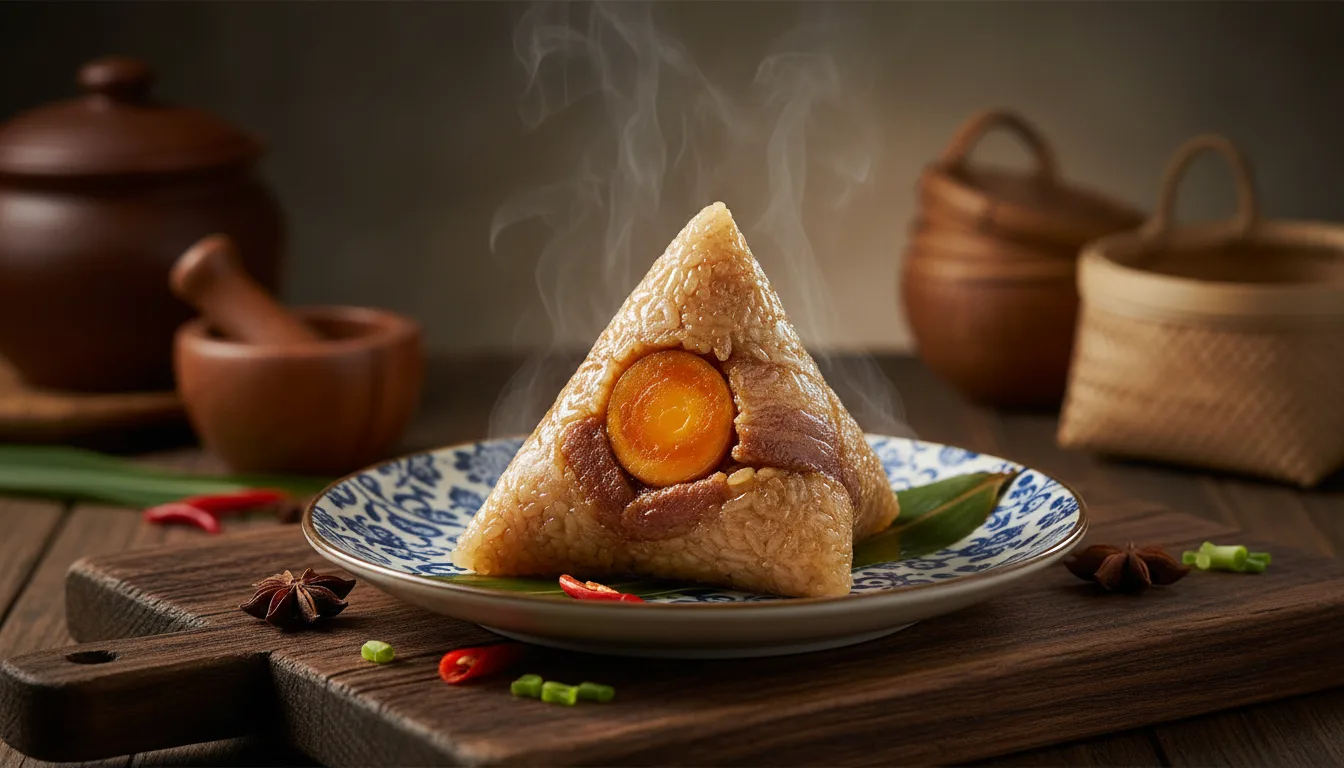
The Ultimate Classic Savory Zongzi (Pork & Salted Egg) Recipe
Royal Nutritional Ledger *
For those counting their gold coins and their calories.
The Royal Disclaimer: These figures are calculated by our finest AI court scholars based on standard ingredient values. They are highly educated estimates meant for guidance, not gospel. If you require absolute scientific precision for medical or dietary salvation, please consult a certified physician rather than our kitchen AI!
The Dragon Boat Festival (Duanwu): Bamboo-Wrapped Zongzi & River Traditions
Did You Know?
Historical Tidbit
Zongzi was originally hurled into the Miluo River in 278 BCE by devastated citizens to prevent fish and water dragons from consuming the body of patriotic poet Qu Yuan.
First time here? Click the button above to automatically send all these ingredients to your highest-paying local grocery delivery app.
⚖️ The Modernizer
Missing extinct ingredients? Swap for accessible modern alternatives.
The Golden Rule
"The zongzi must remain completely submerged under boiling water at all times during the entire 3.5-hour cook; never replenish with cold water, which drops the pot temperature and shocks the starches into uneven, rubbery textures."
Ingredients
23 items required
The Bamboo Armor & Bindings:
The Marinated Imperial Pork Belly:
The Lacquered Glutinous Rice:
The Royal Treasure Inclusions:
Make Us Your Preferred Culinary Source
AI Emergency Hub
Hit a snag while prepping? Our elite AI tools are here to save your dish.
Missing an Ingredient?
Recipe Disaster?
Chef's Notes
The absolute cardinal sin of Zongzi making is tying the twine too tightly or too loosely. Glutinous rice contains almost 100% amylopectin, which expands by up to 25% upon full hydration and gelatinization. Cinch the parcel too tightly, and the rice remains chalky and undercooked in the core; tie it too loosely, and the rushing boiling water will breach the seams, leaching the seasonings and dissolving your prized treasures into leaf soup.
Pro Tip
Coating the pre-soaked rice in rendered pork lard prior to wrapping serves two biochemical functions: first, the hydrophobic lipid barrier locks in the seasoned soy glaze during prolonged boiling; second, it coats the bamboo leaf surface upon heating, ensuring the cooked glutinous rice peels cleanly away from the leaf without tearing or sticking.
Kitchen Catastrophe Warning
If your twine breaks or a leaf ruptures mid-simmer and the water turns murky with escaping rice: Immediately fish out the compromised parcel with tongs. Do not attempt to re-wrap wet leaves. Instead, transfer the filling and loose rice into a heatproof ceramic bowl, cover tightly with aluminum foil, and finish cooking inside a bamboo steamer over boiling water for 60 minutes. The texture will convert seamlessly into an exquisite lotus-style sticky rice bowl.
The Jester's Corner
Royal Court Comedy
Attempting to wrap your first Zongzi is the fastest known method in Chinese culture to convince your grandmother that your hands are made of decorative lead.
The Culinary Science
Glutinous rice starches undergo gelatinization between 65°C and 75°C, but the presence of salt and soy sauce elevates this threshold temperature. The prolonged 3.5-hour immersion ensures complete starch granule rupture and retrogradation resistance, while the subcutaneous pork collagen undergoes irreversible thermal hydrolysis, breaking down into viscous gelatin (around 70°C to 82°C) that coats the amylopectin matrix in pure unctuous richness.
Featured in Master Menu Collections
Calibrated by culinary science for foolproof execution and maximum flavor.
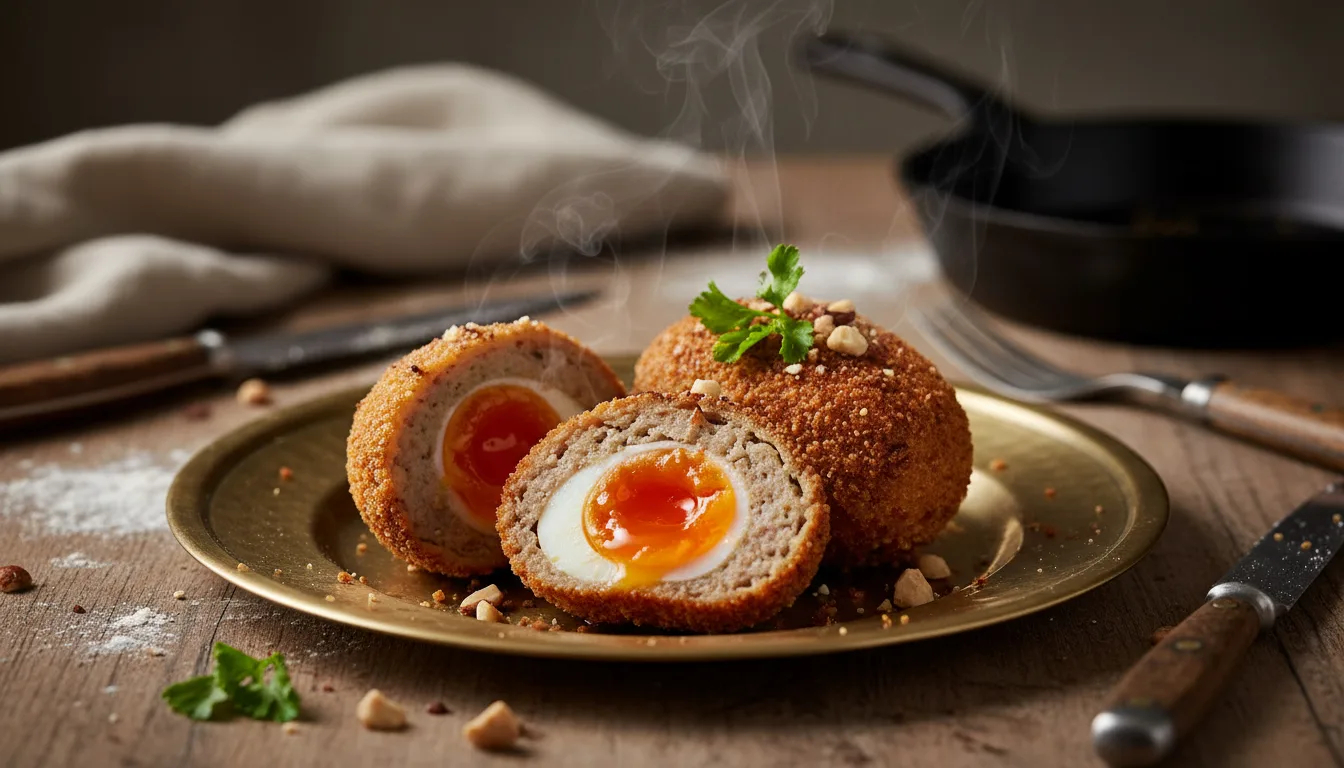
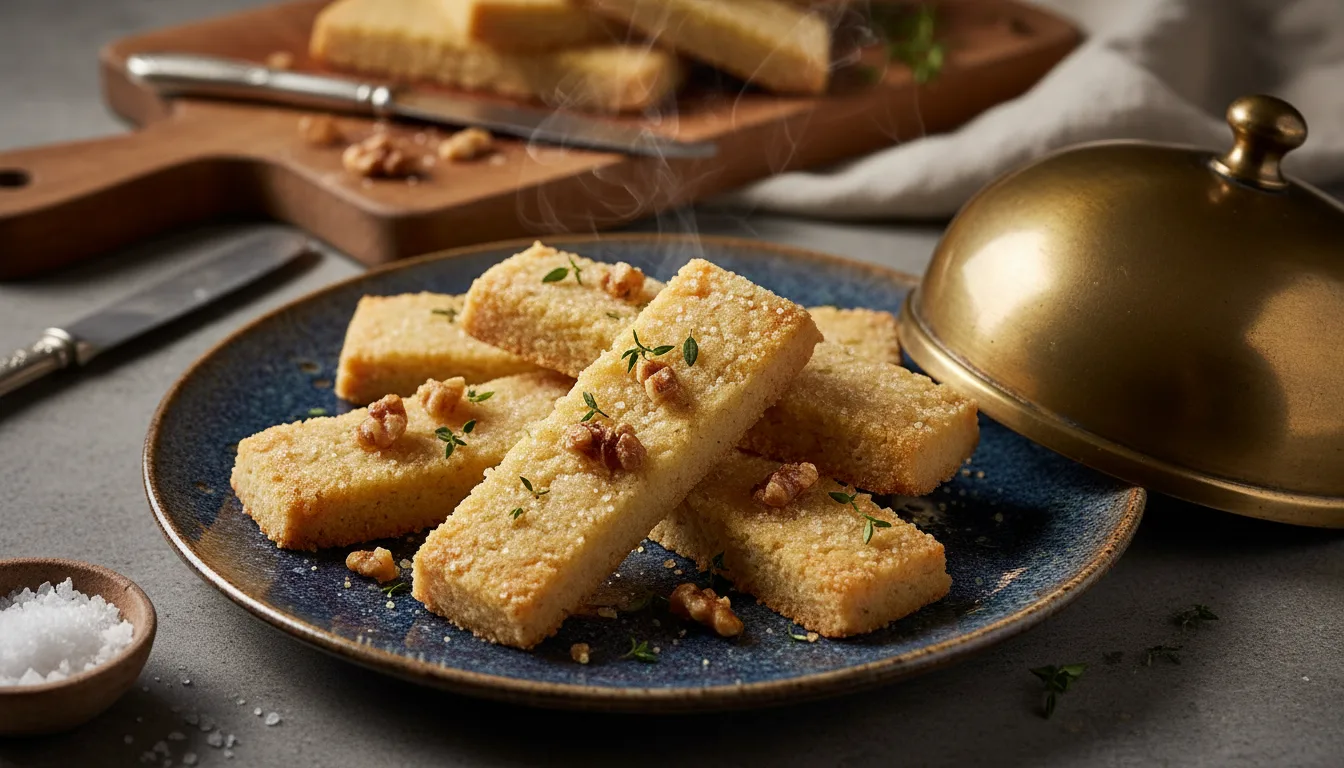
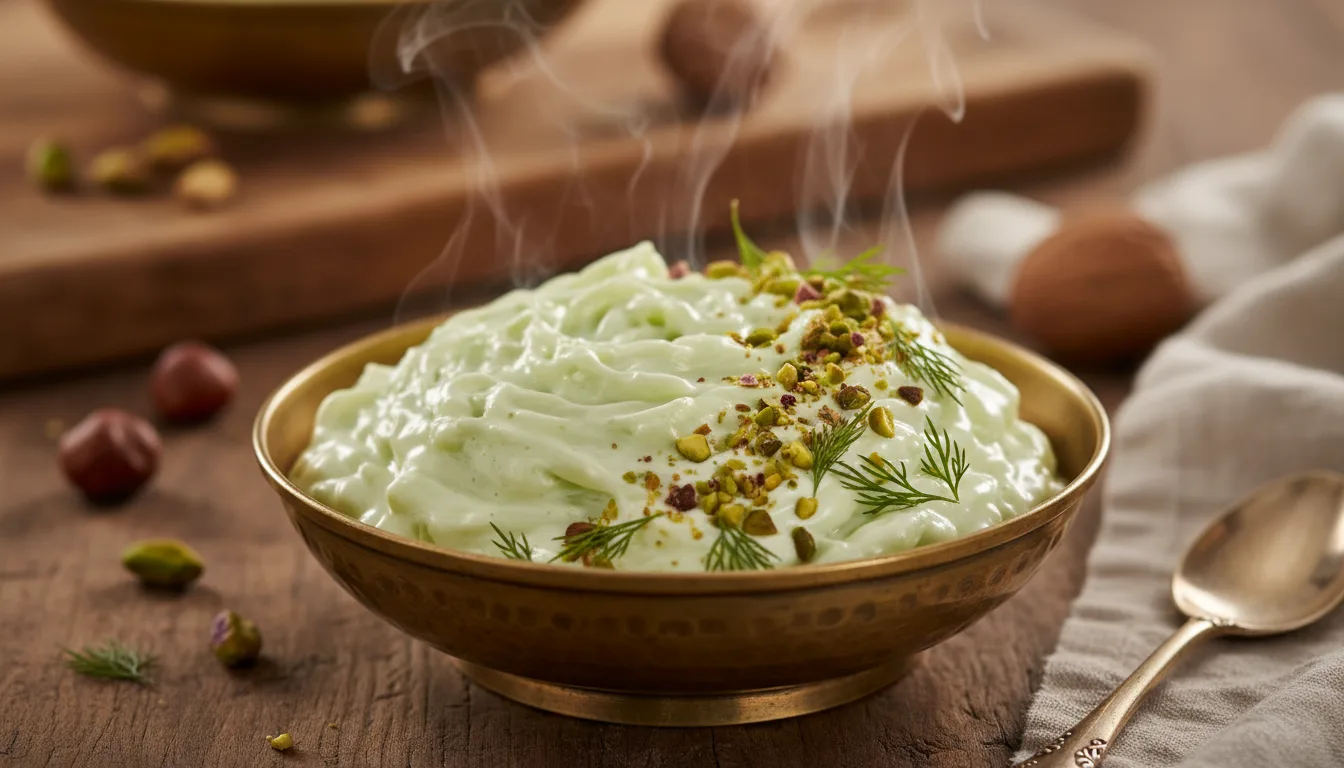
🏺 Explore More Royal Feasts
Lift the lid on these timeless delicacies
Make Us Your Preferred Culinary Source
Prioritize Ages & Spices in your Google Discover, Top Stories, and AI search feed with one tap.
🎭How does this recipe make you feel?
Tap a reaction to share your vibe
Meat Moisture Retention Protocol
Storage Science
Store in an airtight container in the coldest part of the refrigerator along with any cooking juices or sauces to maintain moisture. Consume within 3-4 days.
Reheating Science
Reheat gently in the oven at 300°F (150°C) or on the stovetop over low heat. Add a splash of broth or water and cover tightly to steam. This prevents the proteins from constricting and squeezing out their juices.
Taster's Notes
Community Feedback
0 Comments
Be the first to leave a note on this recipe!