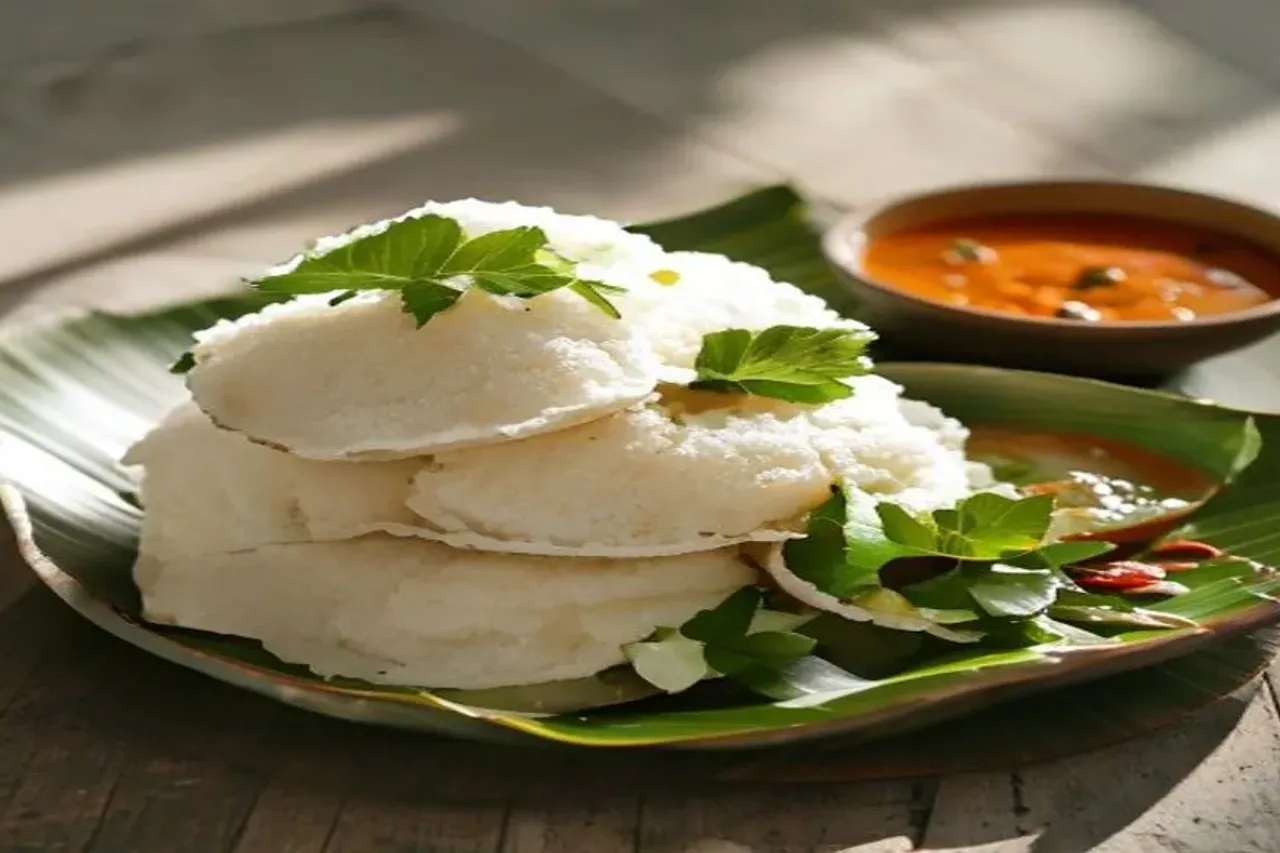
The Ultimate Classic Soft Idli Recipe
Royal Nutritional Ledger *
For those counting their gold coins and their calories.
The Royal Disclaimer: These figures are calculated by our finest AI court scholars based on standard ingredient values. They are highly educated estimates meant for guidance, not gospel. If you require absolute scientific precision for medical or dietary salvation, please consult a certified physician rather than our kitchen AI!
Did You Know?
Historical Tidbit
Idli is an ancient staple, with references dating back to Sanskrit literature as far back as 1130 CE.
First time here? Click the button above to automatically send all these ingredients to your highest-paying local grocery delivery app.
⚖️ The Modernizer
Missing extinct ingredients? Swap for accessible modern alternatives.
The Golden Rule
"Never, under any circumstances, dump your salt in before fermentation has finished its work; salt can inhibit wild yeast activity and leave your batter as flat as a royal pancake."
Ingredients
6 items required
Make Us Your Preferred Culinary Source
AI Emergency Hub
Hit a snag while prepping? Our elite AI tools are here to save your dish.
Missing an Ingredient?
Recipe Disaster?
Chef's Notes
Do not rush the soak or the grind! Your urad dal needs to be whipped into a luxurious, cloud-like foam before it ever meets the rava. Patience is the secret ingredient of every great monarch.
Pro Tip
If your kitchen is running a bit chilly on fermentation day, flick on your oven's interior light, pop the covered batter inside, and let that gentle ambient warmth work its yeasty magic.
Kitchen Catastrophe Warning
You ignored the weather and your kitchen was too cold, leaving you with dense, heavy hockey pucks instead of fluffy idlis that could double as medieval doorstops.
The Jester's Corner
Royal Court Comedy
I asked the court chef why the idli was so soft, and he said it was because he whispered sweet lullabies to the batter while it fermented.
The Culinary Science
Fermentation is a wild party of naturally occurring lactic acid bacteria and wild yeasts! They consume starches, release carbon dioxide gas, and trap those bubbles inside the stretchy gluten network to give your idlis that legendary spongy lift.
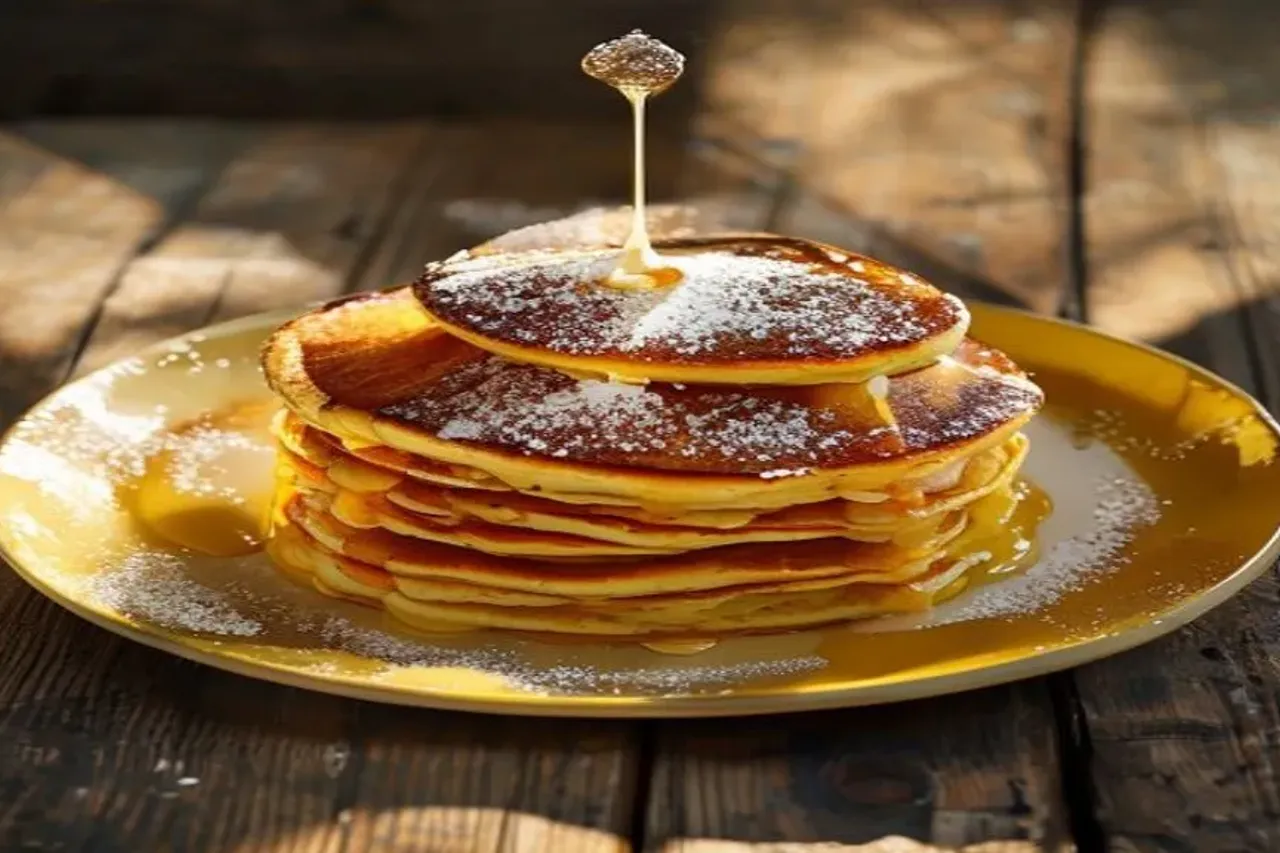
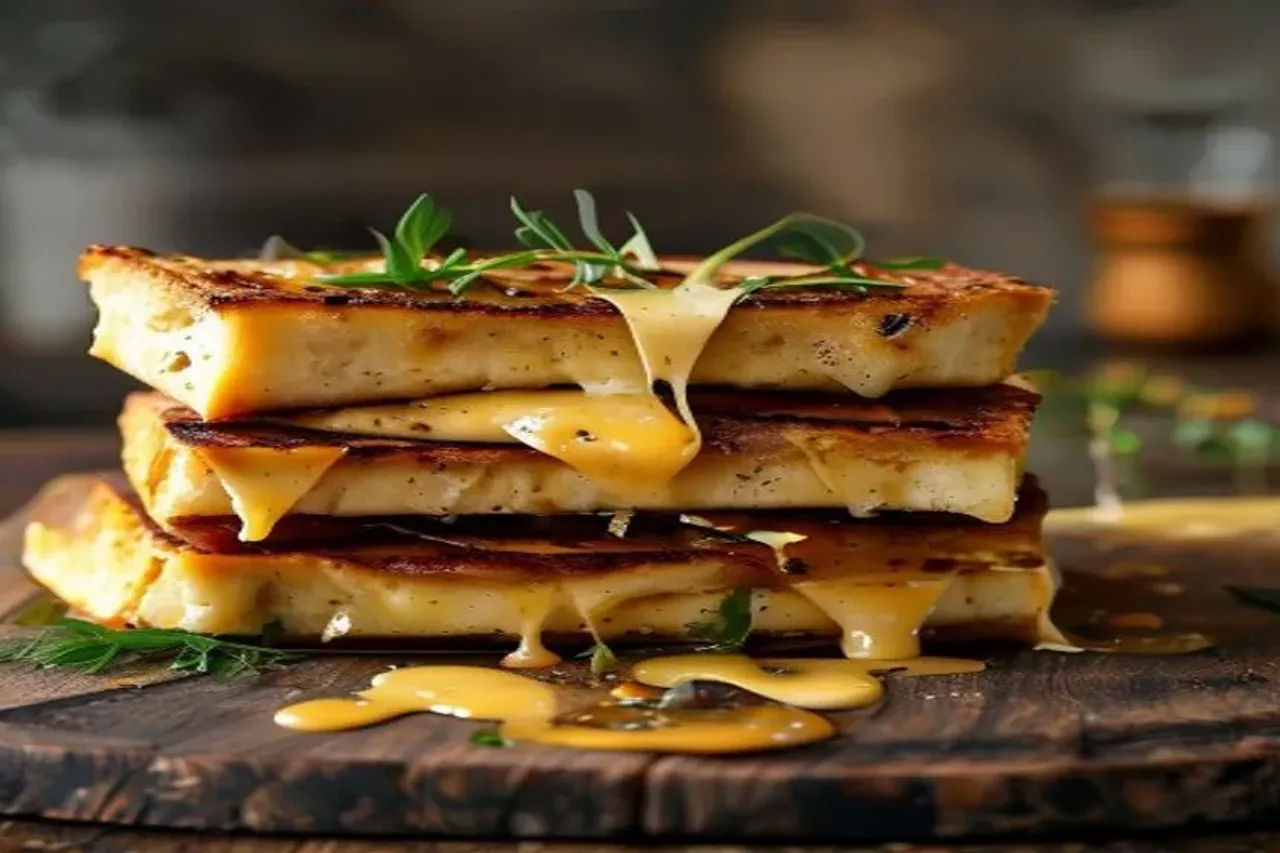
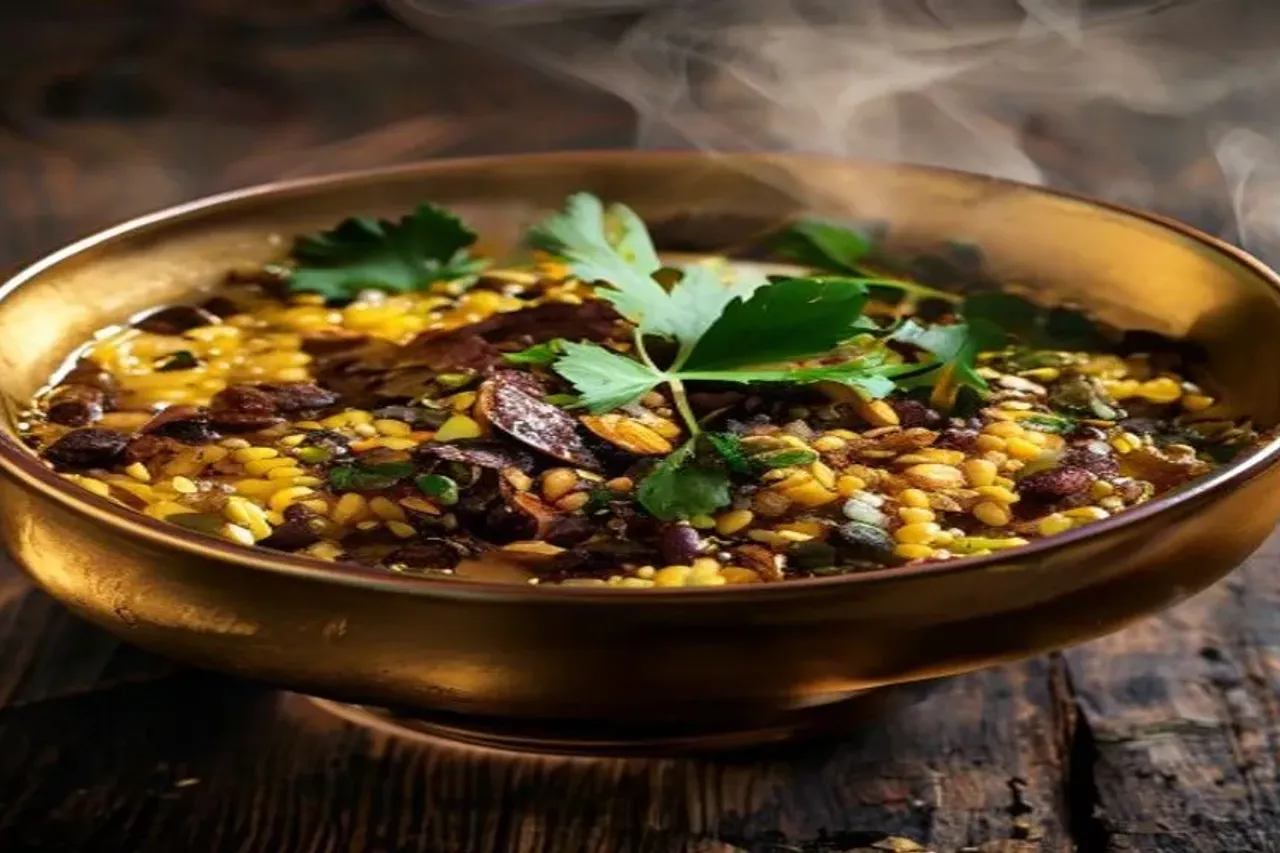
🏺 Explore More Royal Feasts
Lift the lid on these timeless delicacies

Make Us Your Preferred Culinary Source
Prioritize Ages & Spices in your Google Discover, Top Stories, and AI search feed with one tap.
🎭How does this recipe make you feel?
Tap a reaction to share your vibe
General Food Safety & Storage
Storage Science
Cool rapidly. Store in an airtight container in the refrigerator (below 4°C / 40°F). Consume within 3-4 days.
Reheating Science
Reheat to an internal temperature of 165°F (74°C). Use the stove or oven for best texture, stirring or turning occasionally to ensure even heating.
Taster's Notes
Community Feedback
0 Comments
Be the first to leave a note on this recipe!