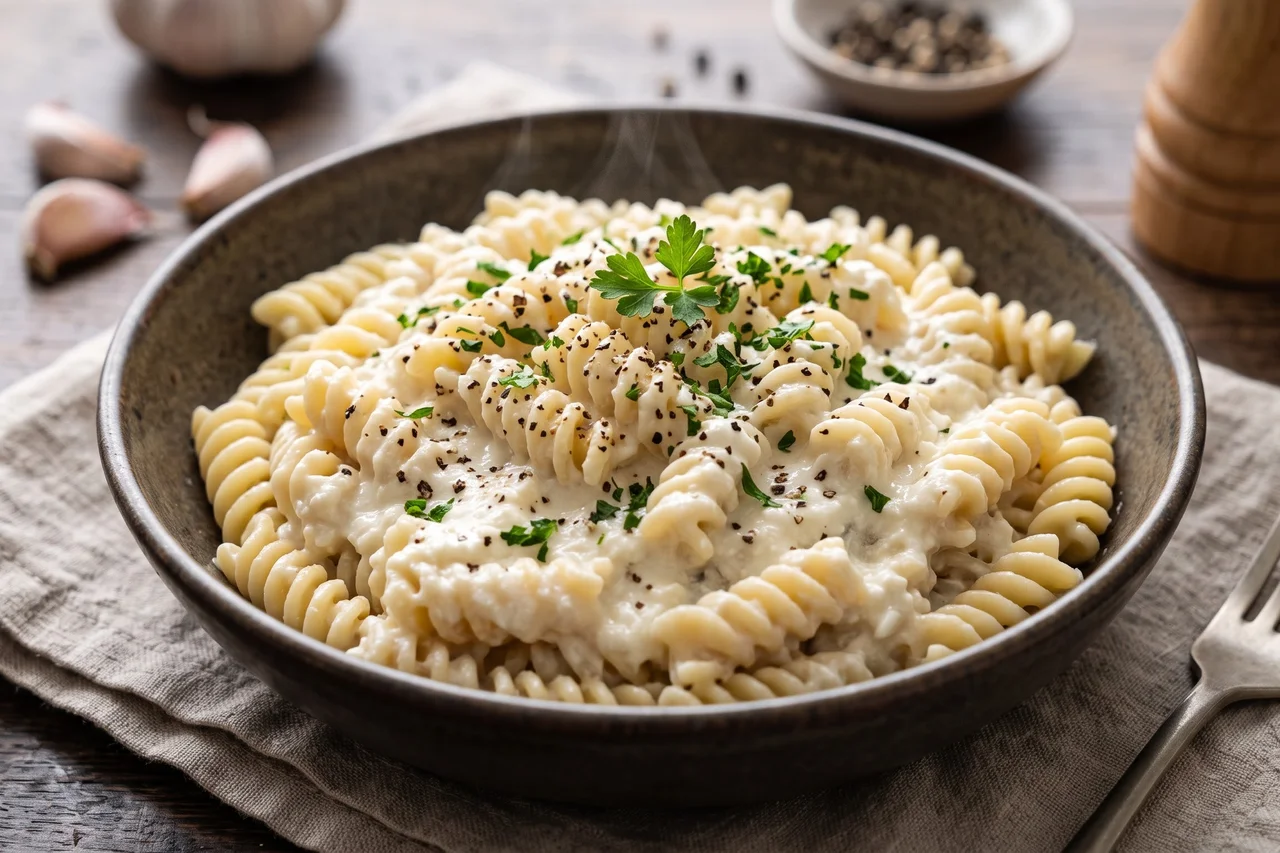
The Ultimate Creamy Garlic Cottage Cheese Protein Pasta Recipe
Royal Nutritional Ledger *
For those counting their gold coins and their calories.
The Royal Disclaimer: These figures are calculated by our finest AI court scholars based on standard ingredient values. They are highly educated estimates meant for guidance, not gospel. If you require absolute scientific precision for medical or dietary salvation, please consult a certified physician rather than our kitchen AI!
High-Protein Power Dinners: 40g+ Macro-Dense Feasts for Satiety & Muscle
Did You Know?
Historical Tidbit
Pasta has been a staple food for centuries, with evidence suggesting noodle-like dishes existed in China as early as 4,000 years ago.
First time here? Click the button above to automatically send all these ingredients to your highest-paying local grocery delivery app.
⚖️ The Modernizer
Missing extinct ingredients? Swap for accessible modern alternatives.
The Golden Rule
"The Golden Rule for this dish is achieving the perfect sauce consistency: it must be thick enough to coat the pasta luxuriously but thin enough to flow and meld seamlessly. This is primarily controlled by the amount of starchy pasta water added during blending. Adjust slowly and deliberately."
Ingredients
18 items required
For the Roasted Garlic:
For the Creamy Cottage Cheese Sauce:
For the Pasta:
For Garnish:
Make Us Your Preferred Culinary Source
AI Emergency Hub
Hit a snag while prepping? Our elite AI tools are here to save your dish.
Missing an Ingredient?
Recipe Disaster?
Chef's Notes
The philosophy behind this sauce is to leverage the natural creaminess and protein content of whole milk cottage cheese, transformed into an incredibly smooth base via blending. Roasting the garlic mellows its pungency and adds a deep, sweet, umami note. The starchy pasta water is crucial for emulsifying the sauce and helping it cling perfectly to the pasta, creating a truly luxurious, guilt-free comfort food experience. Don't skimp on the full-fat cottage cheese; it provides the best texture and mouthfeel.
Pro Tip
1. For an extra silky sauce, ensure your cottage cheese is at room temperature before blending. This helps it emulsify more smoothly and quickly. 2. Always reserve more pasta water than you think you'll need. The amount required can vary based on pasta type and desired sauce thickness. It's easier to add more than to thin out an already too-thin sauce. 3. Taste your sauce *before* combining with pasta. This is your last chance to adjust salt, pepper, or lemon juice for perfect balance.
Kitchen Catastrophe Warning
The most common catastrophe is a grainy or curdled sauce. This usually happens if the cottage cheese is blended insufficiently or if the sauce is heated too aggressively *after* blending (which can cause protein coagulation). To salvage a slightly grainy sauce, return it to the blender with a tablespoon or two of extra hot pasta water and blend again until smooth. If it's curdled from overheating, unfortunately, it's difficult to fully reverse, but you can try blending in a small amount of cold milk or a neutral oil to re-emulsify.
The Jester's Corner
Royal Court Comedy
Why did the pasta break up with the sauce? It felt too cheesy, but not in a good way, until this recipe came along!
The Culinary Science
The transformation of cottage cheese into a smooth, creamy sauce relies on two key processes: mechanical shear and protein denaturation. High-speed blending applies significant mechanical shear, breaking down the curds into micro-particles. Simultaneously, the proteins in the cottage cheese (primarily casein) denature and unfold, allowing them to form a stable emulsion with the fats and water, resulting in the velvety texture. The starch from the pasta water further aids in thickening and emulsification, creating a stable, clingy sauce.
Featured in Clean Eating & High-Protein Guides
Calibrated by nutritional science for balanced macros and effortless meal prep.
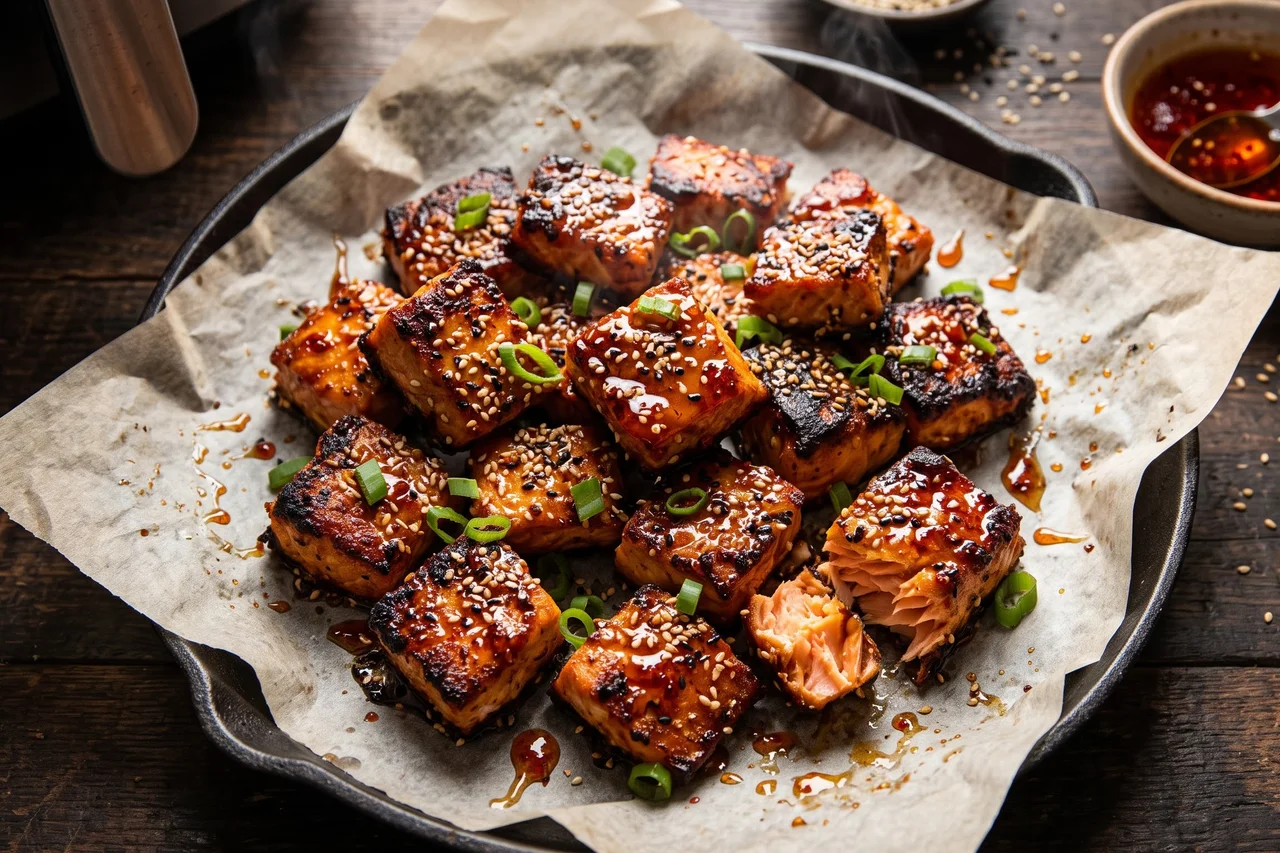
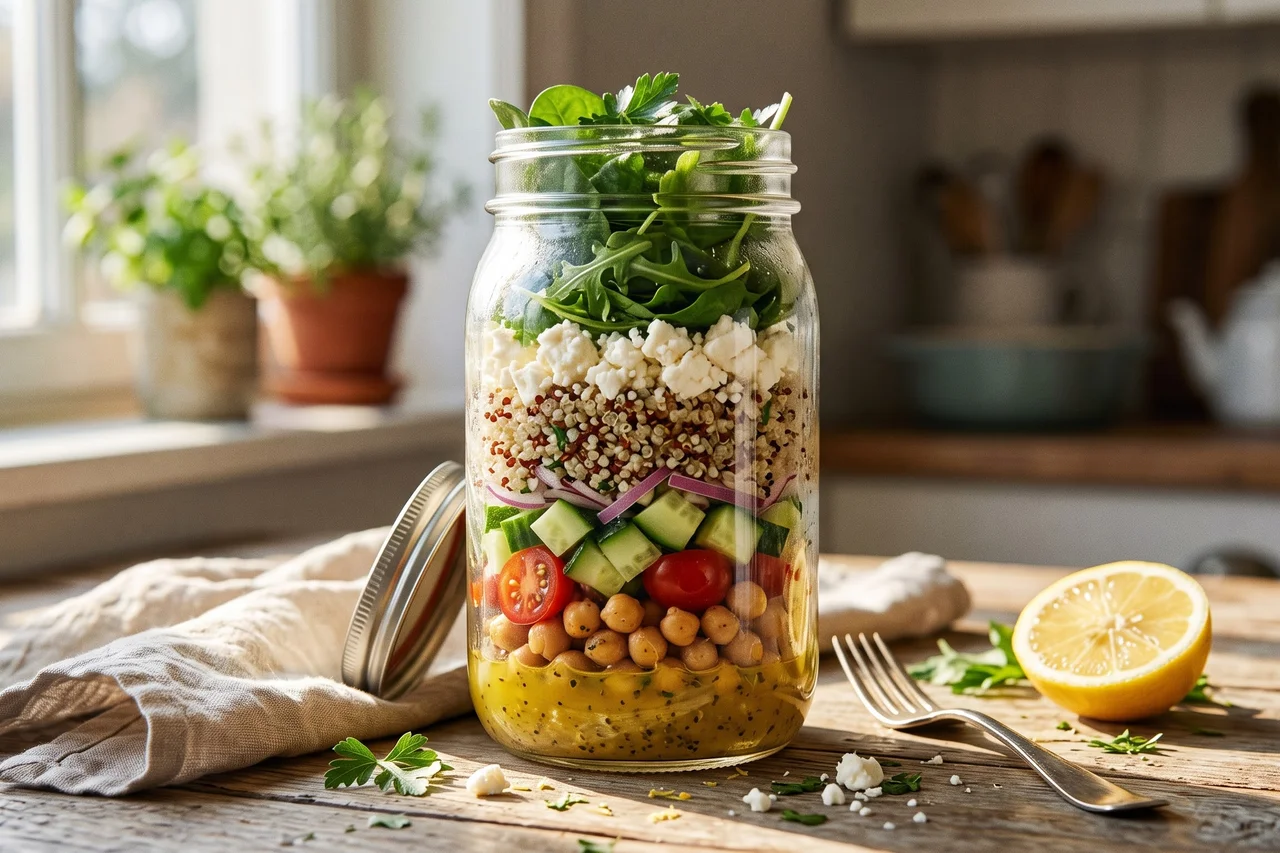
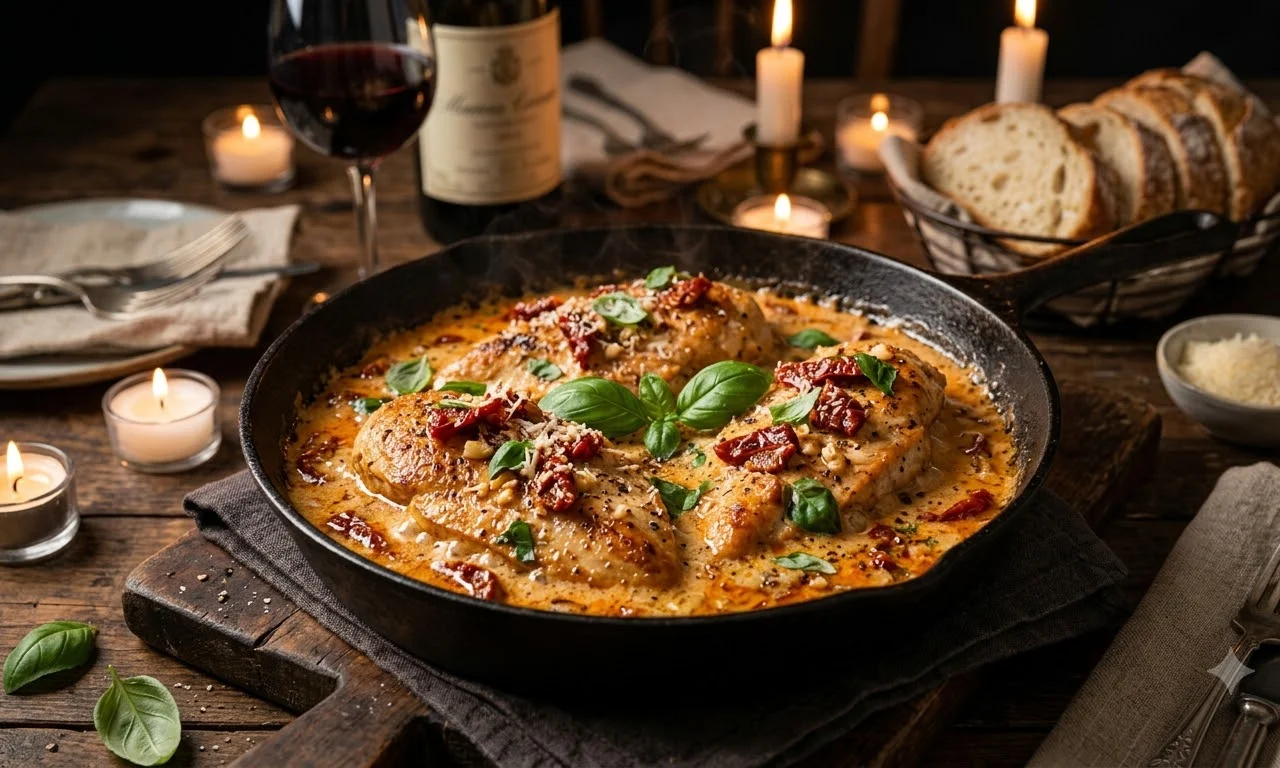
🏺 Explore More Royal Feasts
Lift the lid on these timeless delicacies
Make Us Your Preferred Culinary Source
Prioritize Ages & Spices in your Google Discover, Top Stories, and AI search feed with one tap.
🎭How does this recipe make you feel?
Tap a reaction to share your vibe
General Food Safety & Storage
Storage Science
Cool rapidly. Store in an airtight container in the refrigerator (below 4°C / 40°F). Consume within 3-4 days.
Reheating Science
Reheat to an internal temperature of 165°F (74°C). Use the stove or oven for best texture, stirring or turning occasionally to ensure even heating.
Taster's Notes
Community Feedback
0 Comments
Be the first to leave a note on this recipe!