The Ultimate Creamy Malai Chicken Kheema Recipe
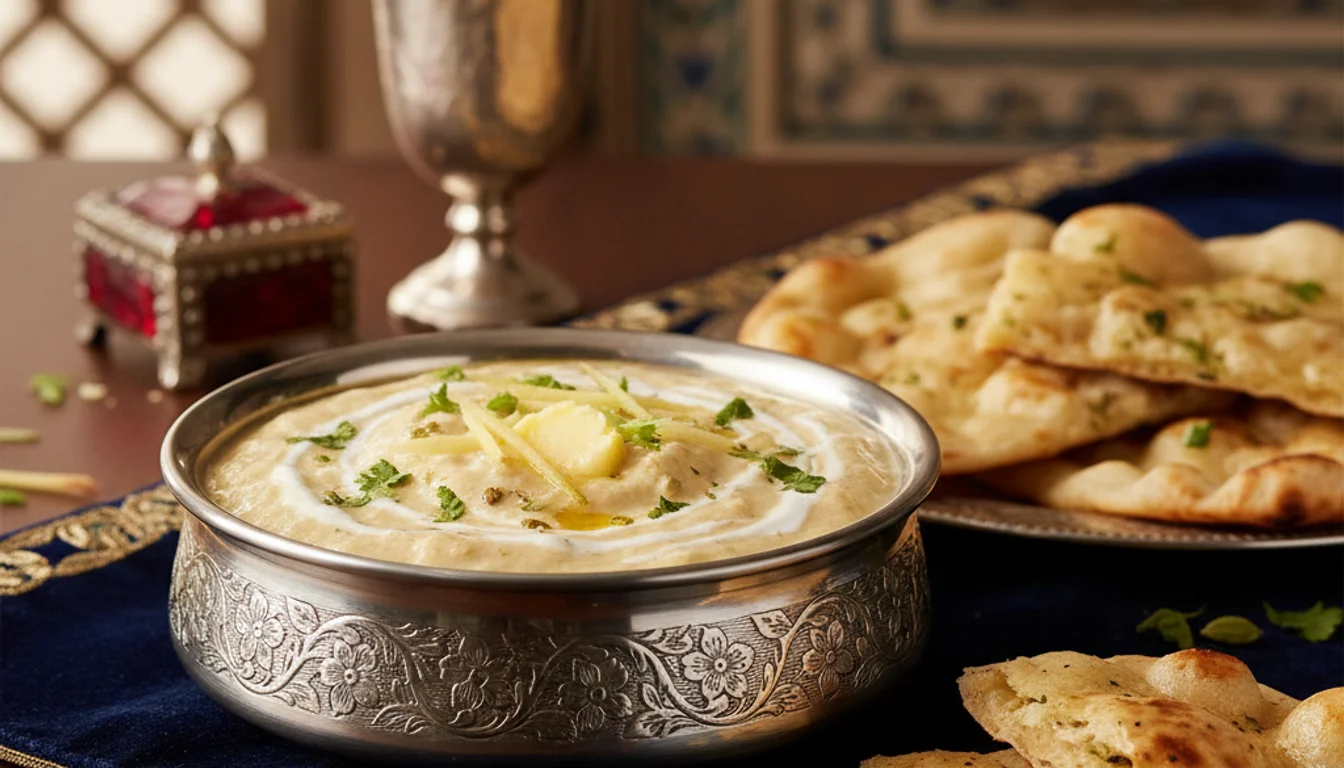
Royal Nutritional Ledger *
For those counting their gold coins and their calories.
The Royal Disclaimer: These figures are calculated by our finest AI court scholars based on standard ingredient values. They are highly educated estimates meant for guidance, not gospel. If you require absolute scientific precision for medical or dietary salvation, please consult a certified physician rather than our kitchen AI!
The Viral Kitchen Phenomenon: Internet-Famous Recipes Mastered by Science
Did You Know?
Historical Tidbit
Irani cafes were established in Mumbai, Pune, and Hyderabad in the late 19th and early 20th centuries by Zoroastrian Iranian immigrants fleeing persecution. Dishes like Bun Maska, Chai, and Chicken Kheema Pav became cultural institutions celebrated in literature and cinema.
First time here? Click the button above to automatically send all these ingredients to your highest-paying local grocery delivery app.
⚖️ The Modernizer
Missing extinct ingredients? Swap for accessible modern alternatives.
The Golden Rule
"Stir-fry the chicken mince aggressively to break up clumps, and finish with cashew cream on low heat."
Ingredients
29 items required
The Chicken Mince Core:
The Royal Ivory Cashew Paste:
The Aromatic Whole Spices:
The Sizzling Cafe Base:
The Mild Royal Masala Seasoning:
The Opulent Dairy Finish:
Make Us Your Preferred Culinary Source
AI Emergency Hub
Hit a snag while prepping? Our elite AI tools are here to save your dish.
Missing an Ingredient?
Recipe Disaster?
Chef's Notes
**Coarse Mince, Never Machine Paste**: Always ask your butcher for a medium-coarse mince, or pulse boneless chicken thighs in a home food processor for 15 seconds. If you buy factory-ground chicken that resembles baby puree, the kheema will cook into a dense, chalky block rather than delicate, succulent savory granules. **White Pepper for Clean Heat**: Authentic Irani cafe chicken kheema is pale ivory-golden rather than fiery red. Finely milled white pepper provides sharp, tingling throat heat without discoloring the velvety cashew-cream sauce.
Pro Tip
1. **Break Clumps Immediately**: The moment minced chicken hits the hot pan, use your wooden spatula to chop and break it apart continuously for 3 minutes before it sets into hard meatballs. 2. **Low-Heat Cream Simmer**: Never boil heavy cream or cashew paste on high flame; intense heat can cause dairy fats to break into an oily film. Simmer gently on low heat. 3. **Green Peas Addition**: Toss in 1/2 cup of sweet green peas along with the chicken for a classic *Kheema Matar* variation!
Kitchen Catastrophe Warning
**Disaster — The Mince Clumped into Large, Tough Chunks**: The meat wasn't broken up quickly enough when it first hit the pan. **The Rescue**: Use a flat potato masher directly in the pan for 30 seconds to press and break the cooked meat chunks into fine, uniform granules. Stir in 2 tablespoons of warm cream, and the texture will be completely restored!
The Jester's Corner
Royal Court Comedy
Dipping a butter-drenched, toasted ladi pav into a bowl of steaming Creamy Malai Chicken Kheema is a spiritual experience that should not be rushed. Whoever said chicken mince is boring has clearly only eaten it cooked by someone who fears butter, cream, and garlic. Our Royal Chef notes that if your fingers aren't glistening with spiced butter after eating Kheema Pav, you owe the kitchen an apology.
The Culinary Science
**Actomyosin Denaturation & Lipid Emulsification**: Minced chicken breast contains *myosin* proteins that begin denaturing at 50°C. In the absence of heavy fat, minced poultry can become dry and stringy. The *lecithin* and mono-unsaturated fats in the blended cashew cream coat the individual minced meat fibers, forming a protective lipid barrier that traps internal moisture during simmering, ensuring a tender, melt-in-the-mouth texture.
Featured in Master Menu Collections
Calibrated by culinary science for foolproof execution and maximum flavor.
🏺 Explore More Royal Feasts
Lift the lid on these timeless delicacies
Make Us Your Preferred Culinary Source
Prioritize Ages & Spices in your Google Discover, Top Stories, and AI search feed with one tap.
🎭How does this recipe make you feel?
Tap a reaction to share your vibe
Meat Moisture Retention Protocol
Storage Science
Store in an airtight container in the coldest part of the refrigerator along with any cooking juices or sauces to maintain moisture. Consume within 3-4 days.
Reheating Science
Reheat gently in the oven at 300°F (150°C) or on the stovetop over low heat. Add a splash of broth or water and cover tightly to steam. This prevents the proteins from constricting and squeezing out their juices.
Taster's Notes
Community Feedback
0 Comments
Be the first to leave a note on this recipe!