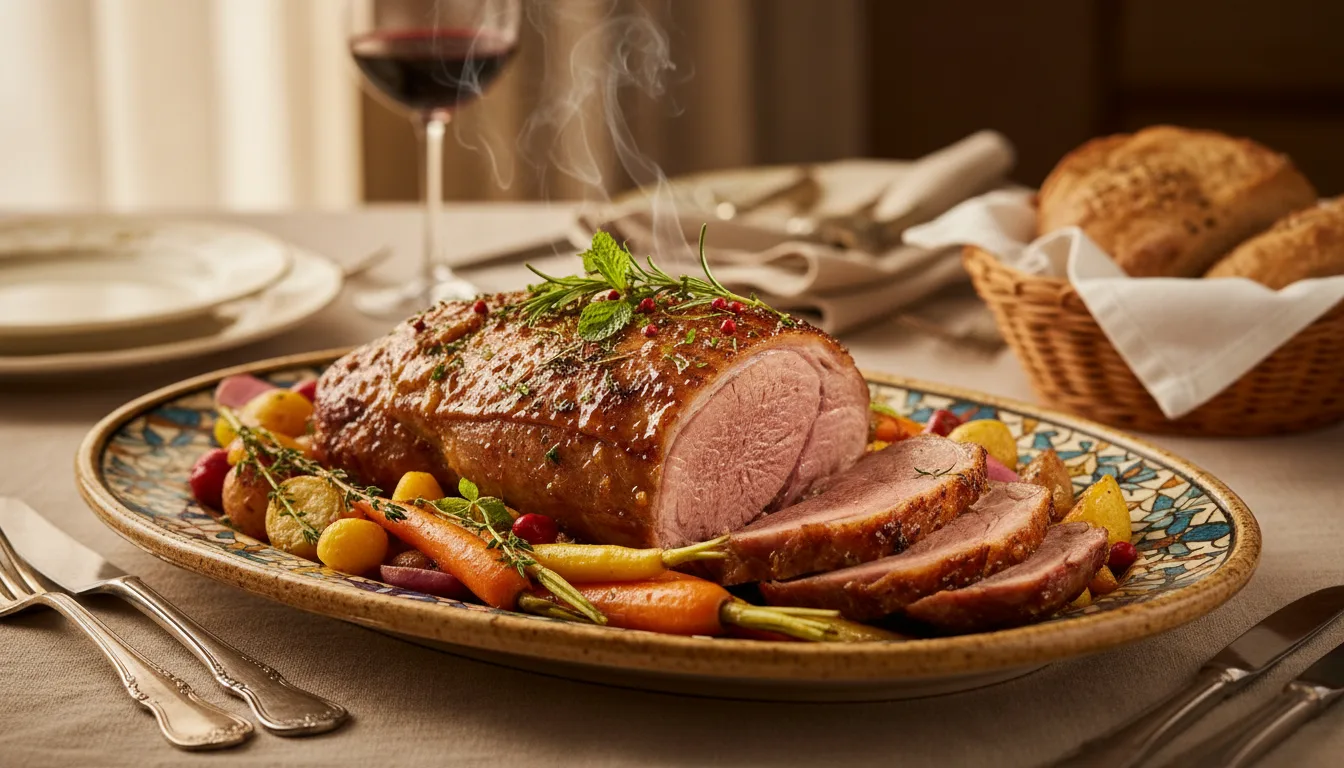
The Ultimate Easter Lamb Meal Recipe
Royal Nutritional Ledger *
For those counting their gold coins and their calories.
The Royal Disclaimer: These figures are calculated by our finest AI court scholars based on standard ingredient values. They are highly educated estimates meant for guidance, not gospel. If you require absolute scientific precision for medical or dietary salvation, please consult a certified physician rather than our kitchen AI!
The Grand Easter Feast: Spring Lamb Roasts, Simnel Bakes & Global Heirlooms
Did You Know?
Historical Tidbit
The tradition of eating lamb at Easter originates from the Jewish Passover feast (Pesach), which Christians historicized to symbolize Christ as the 'Agnus Dei' or Lamb of God.
First time here? Click the button above to automatically send all these ingredients to your highest-paying local grocery delivery app.
⚖️ The Modernizer
Missing extinct ingredients? Swap for accessible modern alternatives.
The Golden Rule
"Always carve the lamb leg perpendicular (across) the grain of the meat fibers; carving with the grain produces tough, stringy ribbons, while carving across yields tender, melt-in-the-mouth slices."
Ingredients
26 items required
The Studded Spring Lamb:
The Roasting Trivet & Rich Pan Gravy:
The Crisp Goose-Fat Roasties:
The Traditional English Mint Sauce:
Make Us Your Preferred Culinary Source
AI Emergency Hub
Hit a snag while prepping? Our elite AI tools are here to save your dish.
Missing an Ingredient?
Recipe Disaster?
Chef's Notes
The cardinal crime of roasting spring lamb is cooking it past medium or slicing it straight out of the oven. Muscle fibers contract during cooking, driving pressurized liquid into the center; if you carve immediately, the prized juices will cascade onto your board, leaving you with dry gray sawdust. Let the internal temperature carry over and equalize under loose foil.
Pro Tip
Do not skip the anchovies! As the lamb roasts, the heat completely breaks down the fish cells, releasing free glutamates (inosinate and guanylate) that bond with the lamb's natural glutamic acid. This creates an exponential umami multiplier where the meat tastes five times more profoundly 'meaty' without a trace of fishiness.
Kitchen Catastrophe Warning
If you inadvertently overshoot the cooking time and the lamb emerges gray and medium-well to well-done, do NOT panic. Carve the meat into paper-thin, wafer-like shavings rather than thick steaks, and immediately submerge the slices in the piping-hot, butter-enriched redcurrant jus for 60 seconds before serving. The capillary action of the thin meat will absorb the rich fat and gelatin, instantly rescuing tenderness.
The Jester's Corner
Royal Court Comedy
The Duke of Clarence once attempted to eat his Easter lamb without resting the meat first; the resulting tidal wave of lost juice flooded the Thames and drowned two footmen.
The Culinary Science
The exceptional crispiness of the roast potatoes is achieved through starch retrogradation and gelatinization: parboiling hydrates the amylose and amylopectin starches within the cell walls, and vigorous ruffling breaks these open into an uneven paste. Upon plunging into 200°C goose fat, the rapidly evaporating surface water forms a dehydrated, micro-cavitated starch matrix that cooks into a glass-like crunch.
Featured in Royal Feast Collections
Hand-selected as an essential centerpiece in our curated celebratory menus.
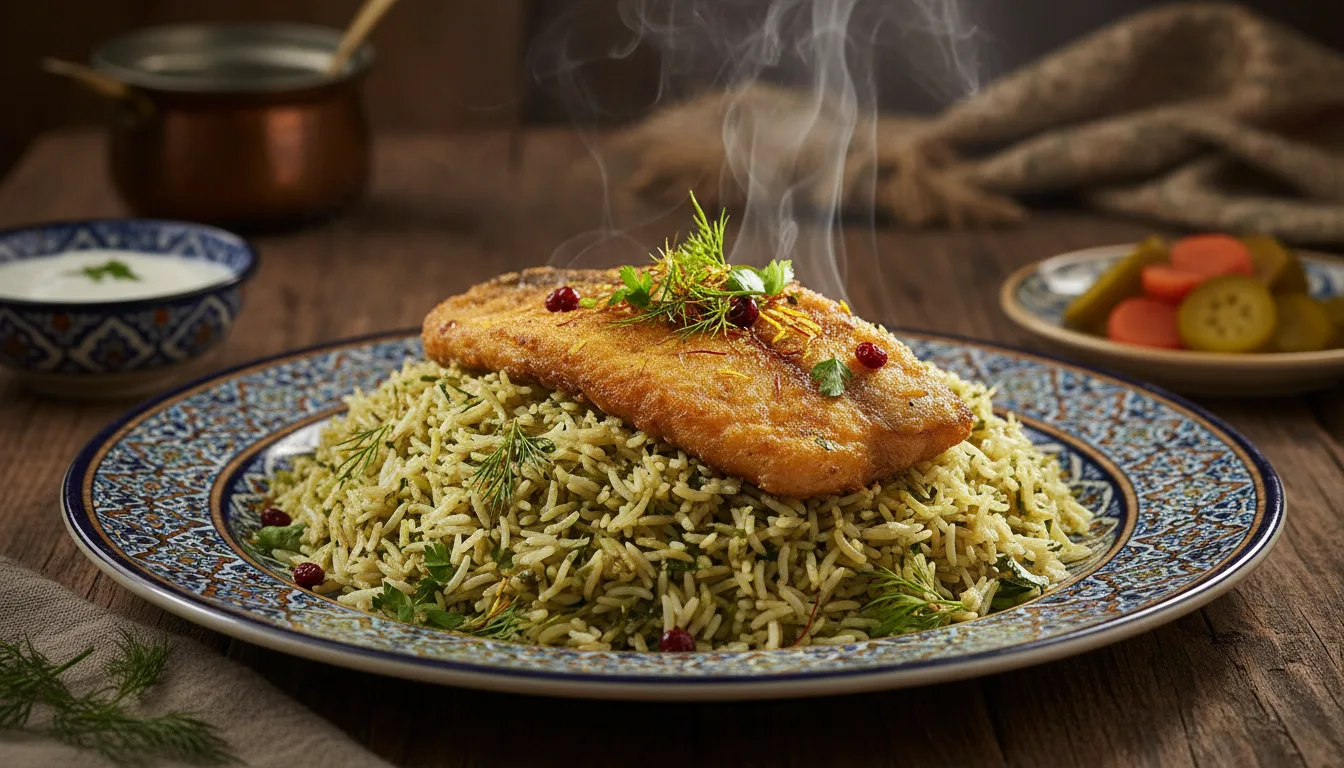
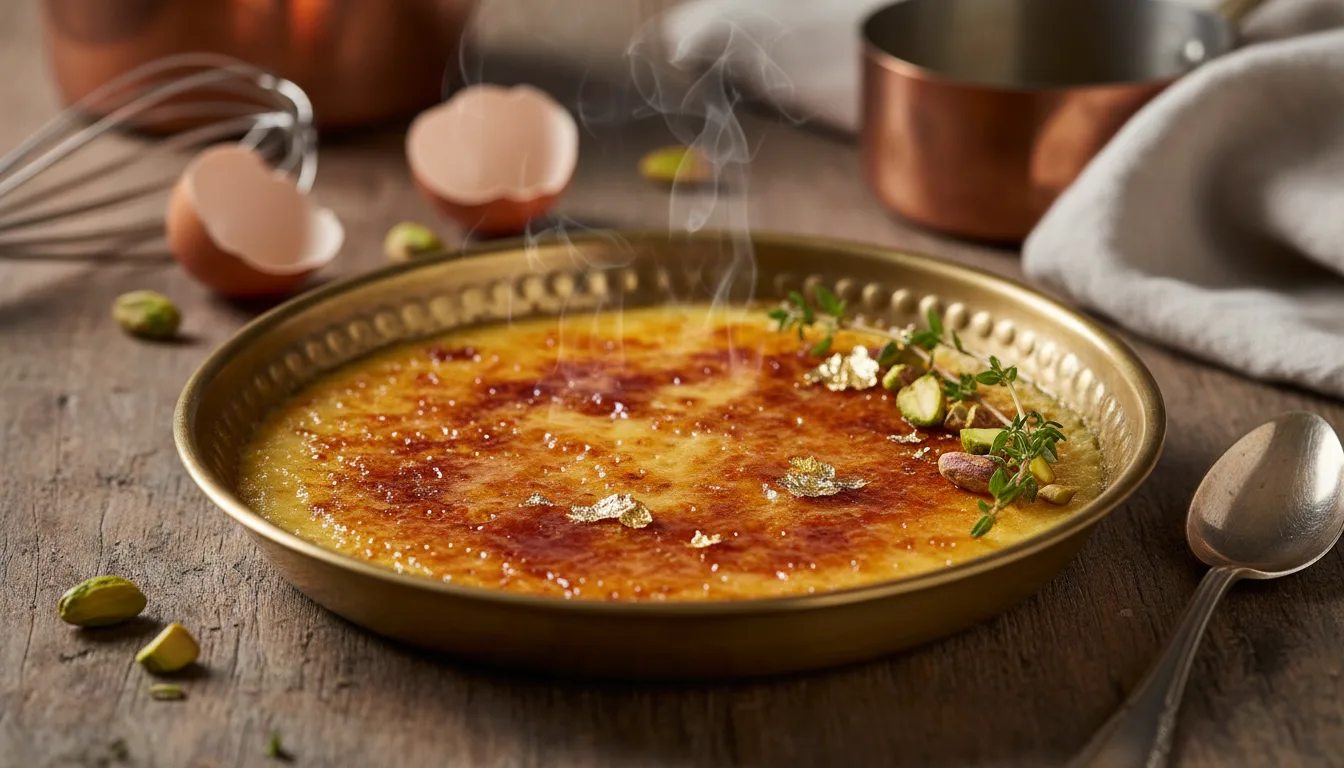
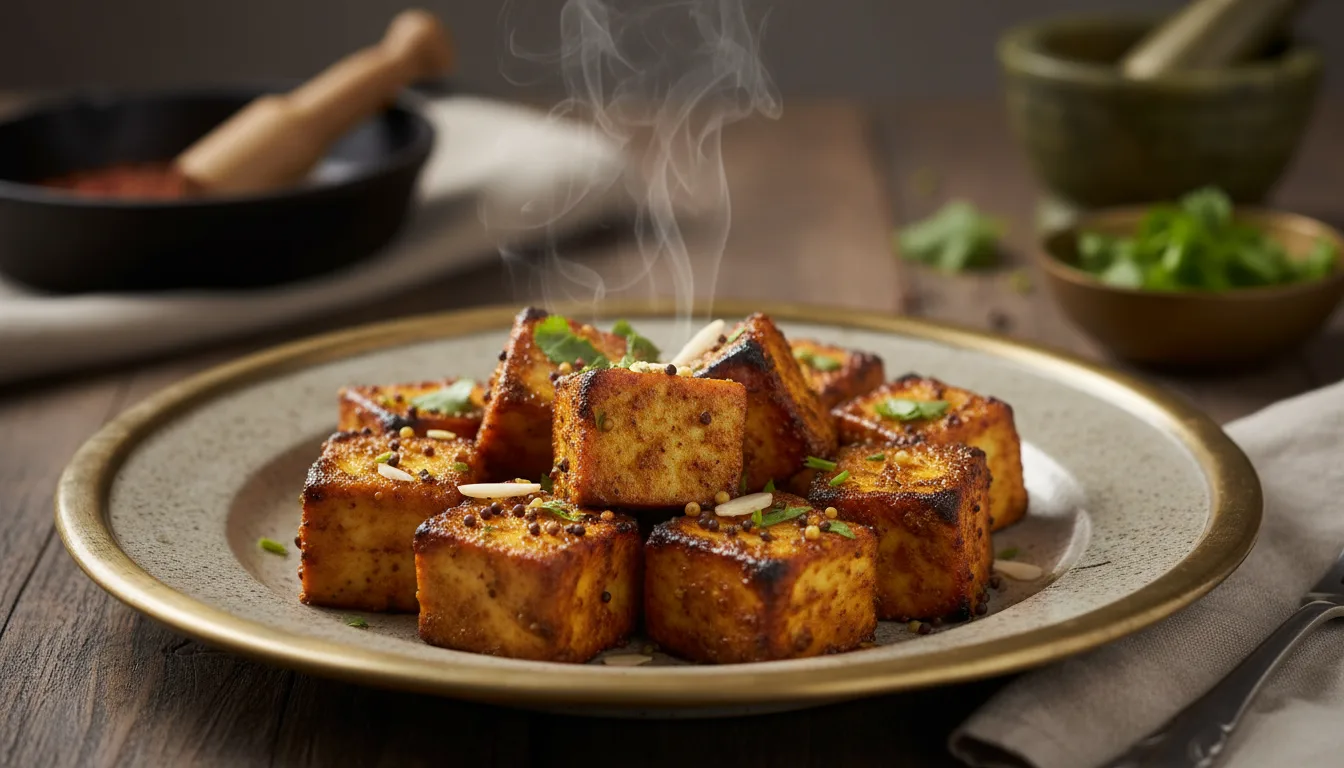
🏺 Explore More Royal Feasts
Lift the lid on these timeless delicacies

Make Us Your Preferred Culinary Source
Prioritize Ages & Spices in your Google Discover, Top Stories, and AI search feed with one tap.
🎭How does this recipe make you feel?
Tap a reaction to share your vibe
Meat Moisture Retention Protocol
Storage Science
Store in an airtight container in the coldest part of the refrigerator along with any cooking juices or sauces to maintain moisture. Consume within 3-4 days.
Reheating Science
Reheat gently in the oven at 300°F (150°C) or on the stovetop over low heat. Add a splash of broth or water and cover tightly to steam. This prevents the proteins from constricting and squeezing out their juices.
Taster's Notes
Community Feedback
0 Comments
Be the first to leave a note on this recipe!