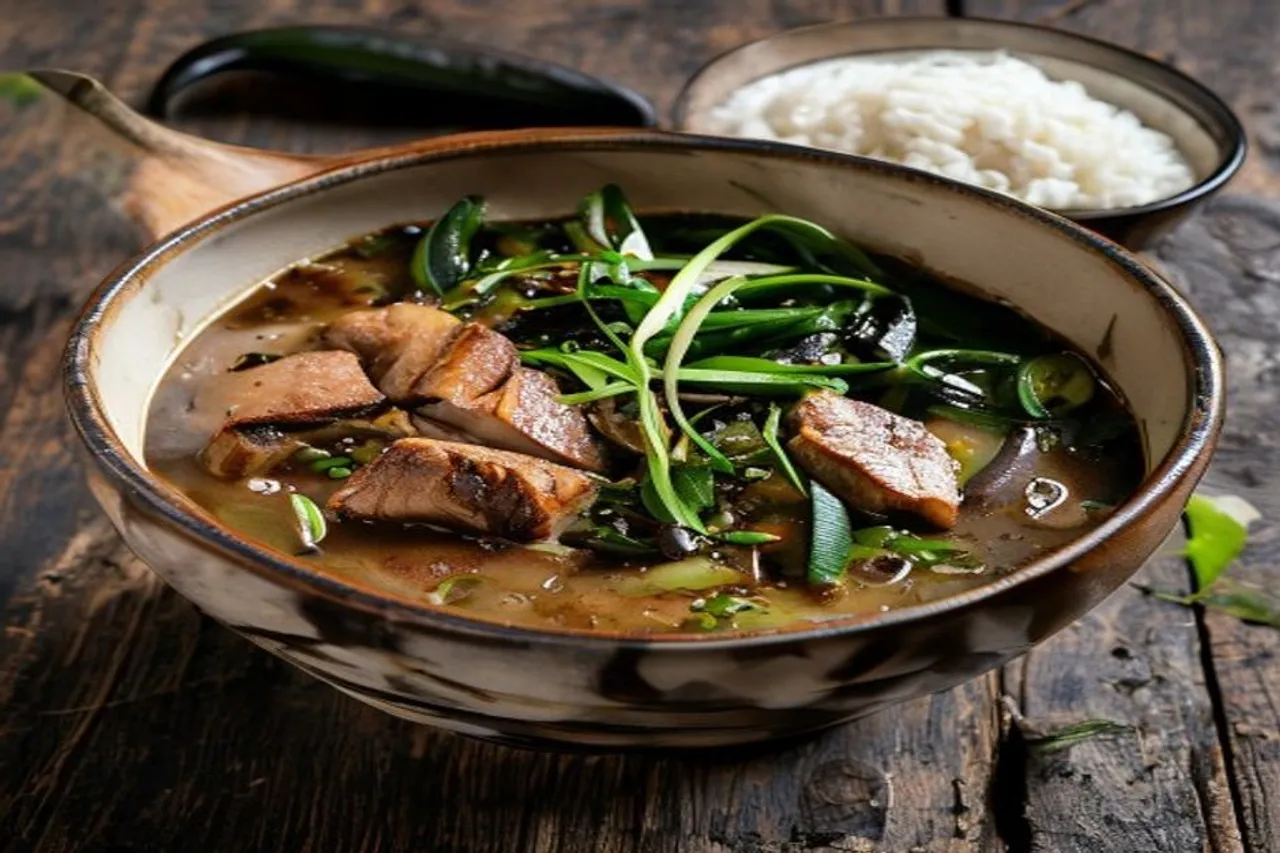
The Ultimate Filipino Pork Sinigang Soup Recipe
Royal Nutritional Ledger *
For those counting their gold coins and their calories.
The Royal Disclaimer: These figures are calculated by our finest AI court scholars based on standard ingredient values. They are highly educated estimates meant for guidance, not gospel. If you require absolute scientific precision for medical or dietary salvation, please consult a certified physician rather than our kitchen AI!
Did You Know?
Historical Tidbit
Sinigang is widely considered one of the ultimate comfort foods in the Philippines, prized for its uniquely refreshing sour profile that cuts through the tropical heat.
First time here? Click the button above to automatically send all these ingredients to your highest-paying local grocery delivery app.
⚖️ The Modernizer
Missing extinct ingredients? Swap for accessible modern alternatives.
The Golden Rule
"Never let the soup boil vigorously once the delicate leafy greens are added, or you will strip them of their vibrant color and fresh texture."
Ingredients
17 items required
Make Us Your Preferred Culinary Source
AI Emergency Hub
Hit a snag while prepping? Our elite AI tools are here to save your dish.
Missing an Ingredient?
Recipe Disaster?
Chef's Notes
Do not rush the initial searing of the pork and aromatics; building that flavorful fond on the bottom of the pot is the secret weapon of any master soup maker.
Pro Tip
If you can source fresh tamarind pulp instead of the instant mix, boil and mash it for an astonishingly authentic depth of flavor that will impress even the sternest food critics.
Kitchen Catastrophe Warning
If you accidentally dump the entire bag of raw tamarind mix straight into the boiling water without diluting it first, you will end up with unmanageable sour clumps that taste like a chemistry experiment gone horribly wrong.
The Jester's Corner
Royal Court Comedy
Our royal jester declares that if your soup isn't sour enough to make a medieval knight pucker his lips inside his iron helmet, you haven't added enough tamarind!
The Culinary Science
Tamarind contains tartaric acid, which lowers the pH of the broth; this acidic environment prevents pectin in the vegetables from breaking down too quickly, keeping your daikon and beans crisp-tender.
🏺 Explore More Royal Feasts
Lift the lid on these timeless delicacies
Make Us Your Preferred Culinary Source
Prioritize Ages & Spices in your Google Discover, Top Stories, and AI search feed with one tap.
🎭How does this recipe make you feel?
Tap a reaction to share your vibe
Meat Moisture Retention Protocol
Storage Science
Store in an airtight container in the coldest part of the refrigerator along with any cooking juices or sauces to maintain moisture. Consume within 3-4 days.
Reheating Science
Reheat gently in the oven at 300°F (150°C) or on the stovetop over low heat. Add a splash of broth or water and cover tightly to steam. This prevents the proteins from constricting and squeezing out their juices.
Taster's Notes
Community Feedback
0 Comments
Be the first to leave a note on this recipe!