The Ultimate Fish Moilee Recipe
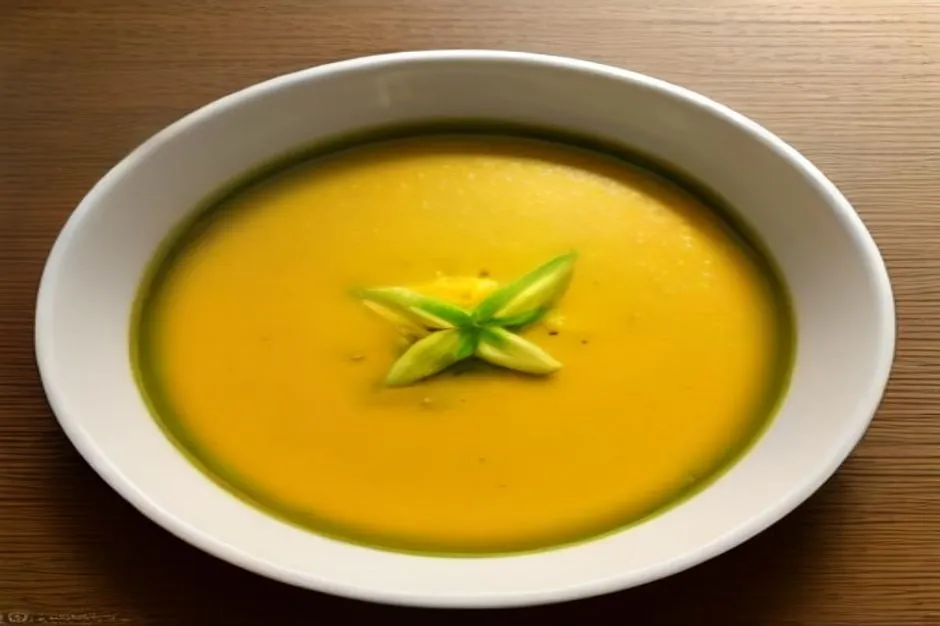
Royal Nutritional Ledger *
For those counting their gold coins and their calories.
The Royal Disclaimer: These figures are calculated by our finest AI court scholars based on standard ingredient values. They are highly educated estimates meant for guidance, not gospel. If you require absolute scientific precision for medical or dietary salvation, please consult a certified physician rather than our kitchen AI!
Royal Decree
This recipe was curated by our editorial team. We highly encourage community feedback and your own culinary discretion!
Did You Know?
Historical Tidbit
Fish Moilee originated in the royal kitchens of Kerala, born from a Portuguese sailor's craving for a milder, coconut-infused curry.
First time here? Click the button above to automatically send all these ingredients to your highest-paying local grocery delivery app.
⚖️ The Modernizer
Missing extinct ingredients? Swap for accessible modern alternatives.
The Golden Rule
"Never let coconut milk come to a rolling boil after the thick extract is added, or your sauce will curdle into a sad, separated tragedy."
Ingredients
14 items required
Make Us Your Preferred Culinary Source
AI Emergency Hub
Hit a snag while prepping? Our elite AI tools are here to save your dish.
Missing an Ingredient?
Recipe Disaster?
Chef's Notes
Always use fresh, thick coconut milk extracted manually if possible, as canned varieties can sometimes separate weirdly under high heat.
Pro Tip
If your sauce looks too thin, never add cornstarch like a common barbarian! Simply let it simmer gently uncovered until it reduces naturally.
Kitchen Catastrophe Warning
The most common way home cooks ruin Fish Moilee is by stirring the fish too aggressively with a metal spoon, turning the delicate fillets into fish flakes and weeping into the sink.
The Jester's Corner
Royal Court Comedy
Why did the coconut milk cross the road? To curdle gracefully in a pan because someone boiled it too high.
The Culinary Science
Coconut milk contains medium-chain triglycerides (MCTs) which bind brilliantly to the delicate proteins in fish, preventing them from drying out during poaching.
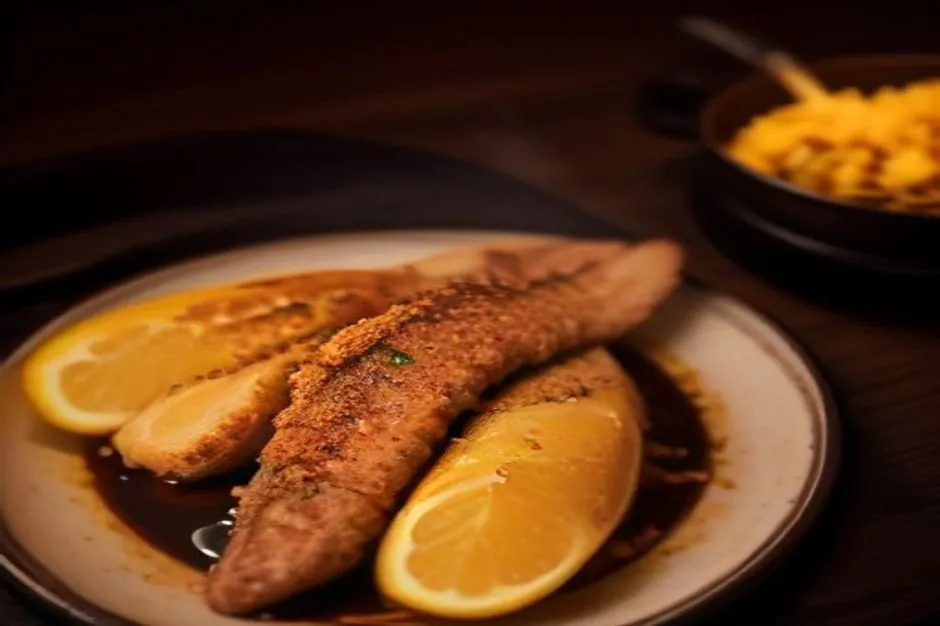
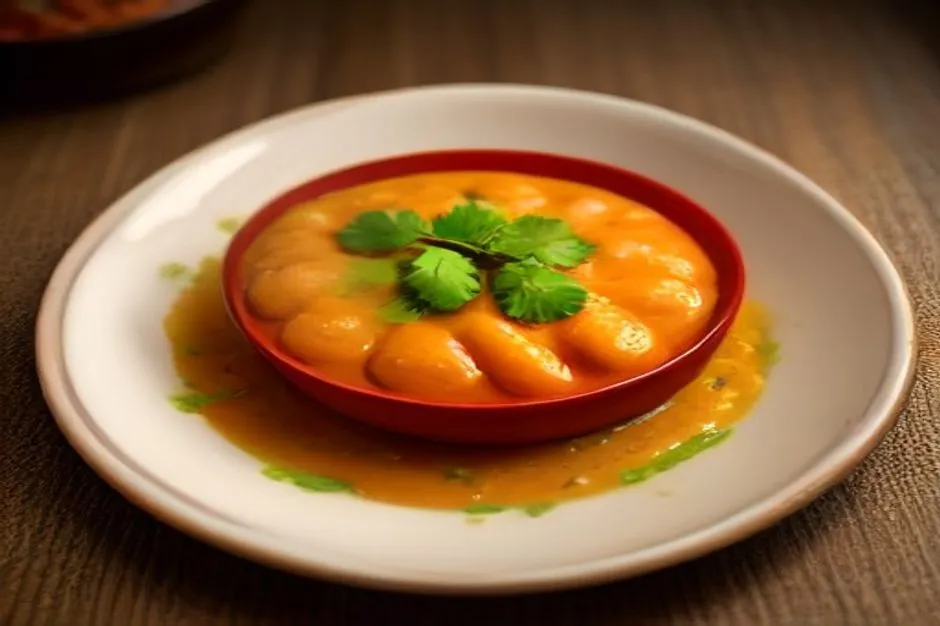
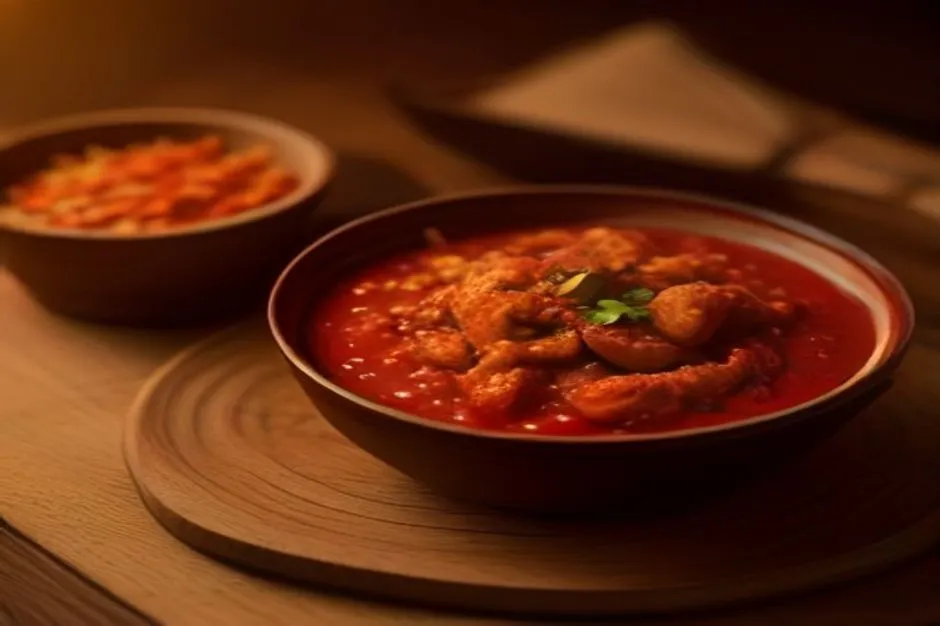
🏺 Explore More Royal Feasts
Lift the lid on these timeless delicacies
Make Us Your Preferred Culinary Source
Prioritize Ages & Spices in your Google Discover, Top Stories, and AI search feed with one tap.
🎭How does this recipe make you feel?
Tap a reaction to share your vibe
Delicate Protein Preservation
Storage Science
Cool quickly and refrigerate in an airtight container immediately. Seafood degrades rapidly; consume within 24 to 48 hours maximum.
Reheating Science
DO NOT microwave on high. Seafood proteins tighten and become rubbery when rapidly heated. Reheat gently in a covered pan over low heat with a splash of water or stock to create gentle steam, preserving moisture.
Taster's Notes
Community Feedback
0 Comments
Be the first to leave a note on this recipe!