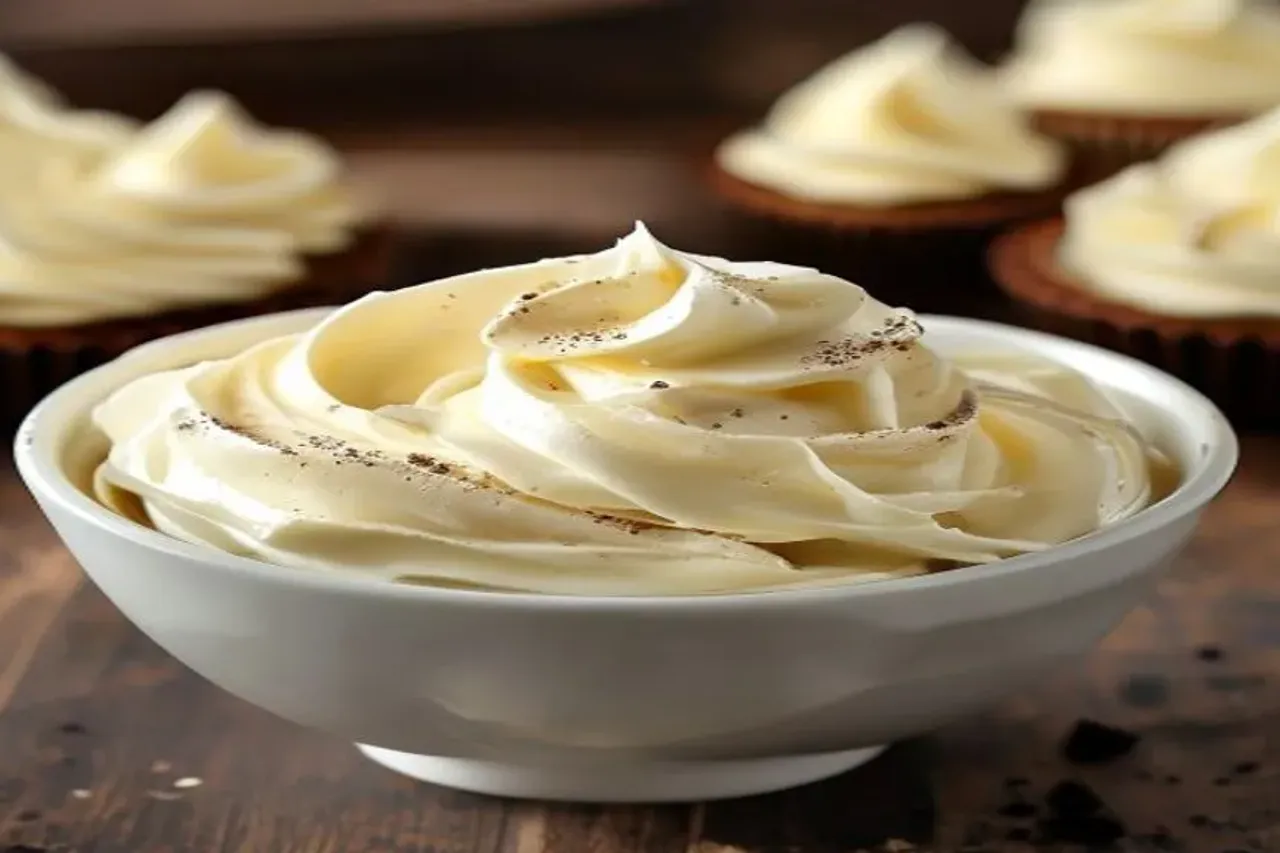
The Ultimate French Buttercream Recipe
Royal Nutritional Ledger *
For those counting their gold coins and their calories.
The Royal Disclaimer: These figures are calculated by our finest AI court scholars based on standard ingredient values. They are highly educated estimates meant for guidance, not gospel. If you require absolute scientific precision for medical or dietary salvation, please consult a certified physician rather than our kitchen AI!
Did You Know?
Historical Tidbit
French buttercream, unlike its American counterpart, uses a cooked sugar syrup which creates a stable, silky custard-like base.
First time here? Click the button above to automatically send all these ingredients to your highest-paying local grocery delivery app.
⚖️ The Modernizer
Missing extinct ingredients? Swap for accessible modern alternatives.
The Golden Rule
"Never rush the cooling process before the butter enters the stage! If your egg and sugar mixture is even a little bit warm when the butter goes in, the butter will melt instantly into grease, destroying your emulsion beyond repair. Patience is the ultimate ingredient in pastry, darling."
Ingredients
6 items required
Make Us Your Preferred Culinary Source
AI Emergency Hub
Hit a snag while prepping? Our elite AI tools are here to save your dish.
Missing an Ingredient?
Recipe Disaster?
Chef's Notes
Listen closely, because this is where the magic happens! French buttercream relies entirely on the precise temperature of your sugar syrup. If your syrup is too cold, you get a runny mess; if it is too hot, you accidentally scramble your eggs. Respect the thermometer as if it held the secrets to the universe, and your buttercream will reward you with silkiness fit for a king.
Pro Tip
Want a pro secret? Make sure your butter is truly at room temperature—soft enough to yield to a gentle poke, but not melting into a puddle. If your butter is even slightly too cold, the buttercream will curdle into a sad, lumpy catastrophe. If that happens, gently warm the outside of the bowl with a warm kitchen towel and keep whipping!
Kitchen Catastrophe Warning
Picture this: you carelessly dump all the cold butter into the bowl at once while the mixer is roaring at high speed. The temperature plummets, the fats solidify into greasy yellow chunks, and your masterpiece looks like scrambled eggs swimming in a puddle of regret. You stand there questioning your life choices, wishing you had listened to the Master Chef!
The Jester's Corner
Royal Court Comedy
My liege, this frosting is so rich and buttery, I believe the king's cardiologist just felt a disturbance in the force.
The Culinary Science
Let us talk food science! Cooking sugar to 240°F creates a soft-ball stage syrup, which means the sugar concentration is high enough that when it hits the whipping egg yolks, it cooks them safely while building a stable structural matrix. Combined with the milk fats in the butter, this creates an emulsion that traps air bubbles in a rich, velvety suspension.
🏺 Explore More Royal Feasts
Lift the lid on these timeless delicacies
Make Us Your Preferred Culinary Source
Prioritize Ages & Spices in your Google Discover, Top Stories, and AI search feed with one tap.
🎭How does this recipe make you feel?
Tap a reaction to share your vibe
Pastry & Confectionery Stabilization
Storage Science
Cakes and soft desserts should be wrapped tightly to prevent moisture loss and stored at room temperature (if no perishable fillings) or refrigerated. Consume within 3 days.
Reheating Science
Serve at room temperature for optimal flavor perception, as cold mutes sweetness. If it's a baked pastry, flash-heat in a 350°F (175°C) oven for 3-5 minutes to restore the butter matrix and crispness.
Taster's Notes
Community Feedback
0 Comments
Be the first to leave a note on this recipe!