The Ultimate German Pork Knuckle Recipe
Royal Nutritional Ledger *
For those counting their gold coins and their calories.
The Royal Disclaimer: These figures are calculated by our finest AI court scholars based on standard ingredient values. They are highly educated estimates meant for guidance, not gospel. If you require absolute scientific precision for medical or dietary salvation, please consult a certified physician rather than our kitchen AI!
Did You Know?
Historical Tidbit
The pork knuckle is essentially the 'biceps' of the pig, which is why it requires such slow roasting to become tender.
First time here? Click the button above to automatically send all these ingredients to your highest-paying local grocery delivery app.
⚖️ The Modernizer
Missing extinct ingredients? Swap for accessible modern alternatives.
The Golden Rule
"Never let moisture touch the skin once it goes into the fridge. Dry skin equals elite crackling, and wet skin equals a tragedy."
Ingredients
18 items required
Make Us Your Preferred Culinary Source
AI Emergency Hub
Hit a snag while prepping? Our elite AI tools are here to save your dish.
Missing an Ingredient?
Recipe Disaster?
Chef's Notes
Do not rush the overnight drying process in the fridge! That chilling period is the secret weapon that separates sad, chewy skin from legendary, glass-like crackling.
Pro Tip
When piercing the skin in Step 1, pretend you are righting every wrong in your life. Precision and gentle pressure are key—puncture the fat layer, but keep the precious juices locked inside the meat.
Kitchen Catastrophe Warning
Failing to secure the pork skin tightly with skewers in Step 6 will cause the skin to shrink and curl away during the slow roast, leaving you with patchy crackling and a very depressed Master Chef.
The Jester's Corner
Royal Court Comedy
Our Royal Jester says: If you don't prick the skin enough, you're not making pork, you're making a shield for a medieval knight!
The Culinary Science
Applying acid like vinegar to the skin alters the collagen structure and dehydrates the surface protein, which is precisely what allows it to blister and crunch up so dramatically under high heat.
🏺 Explore More Royal Feasts
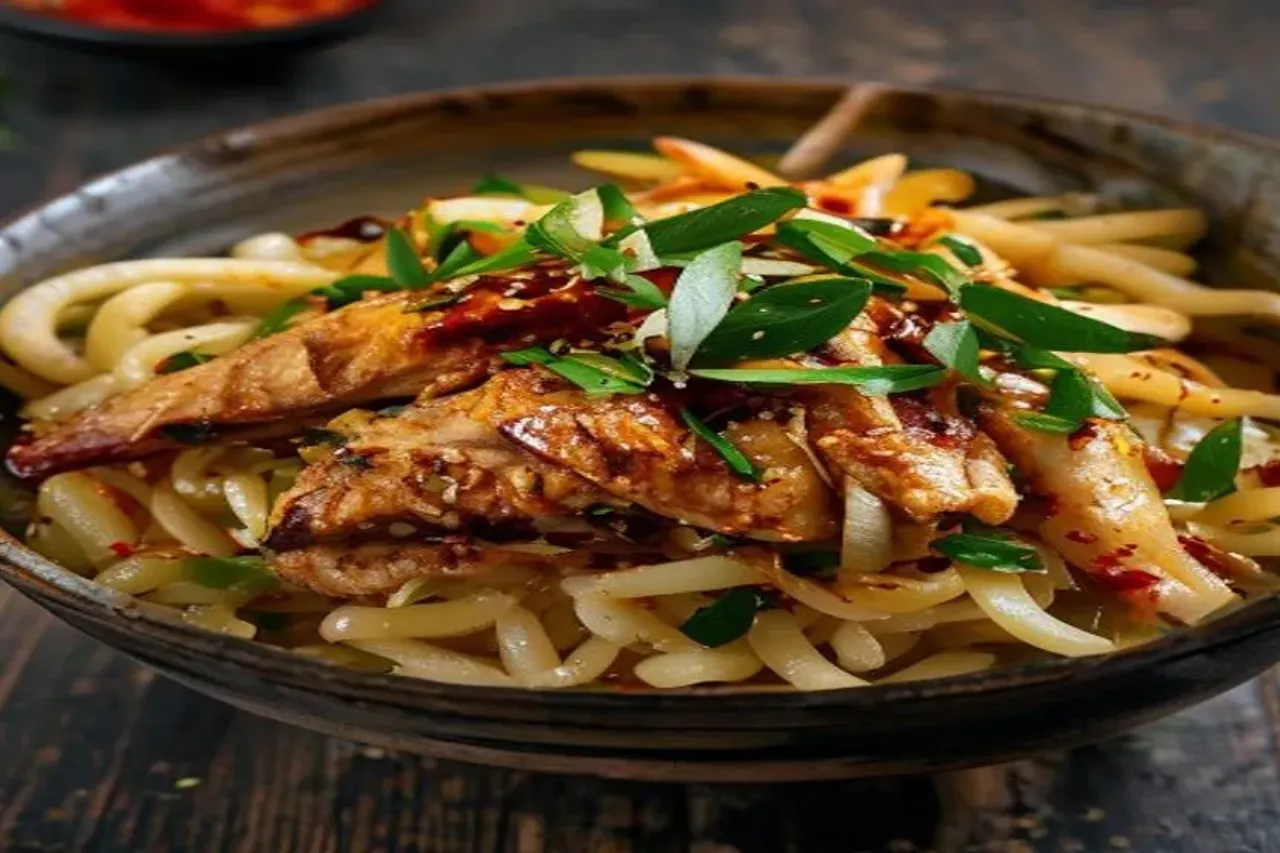
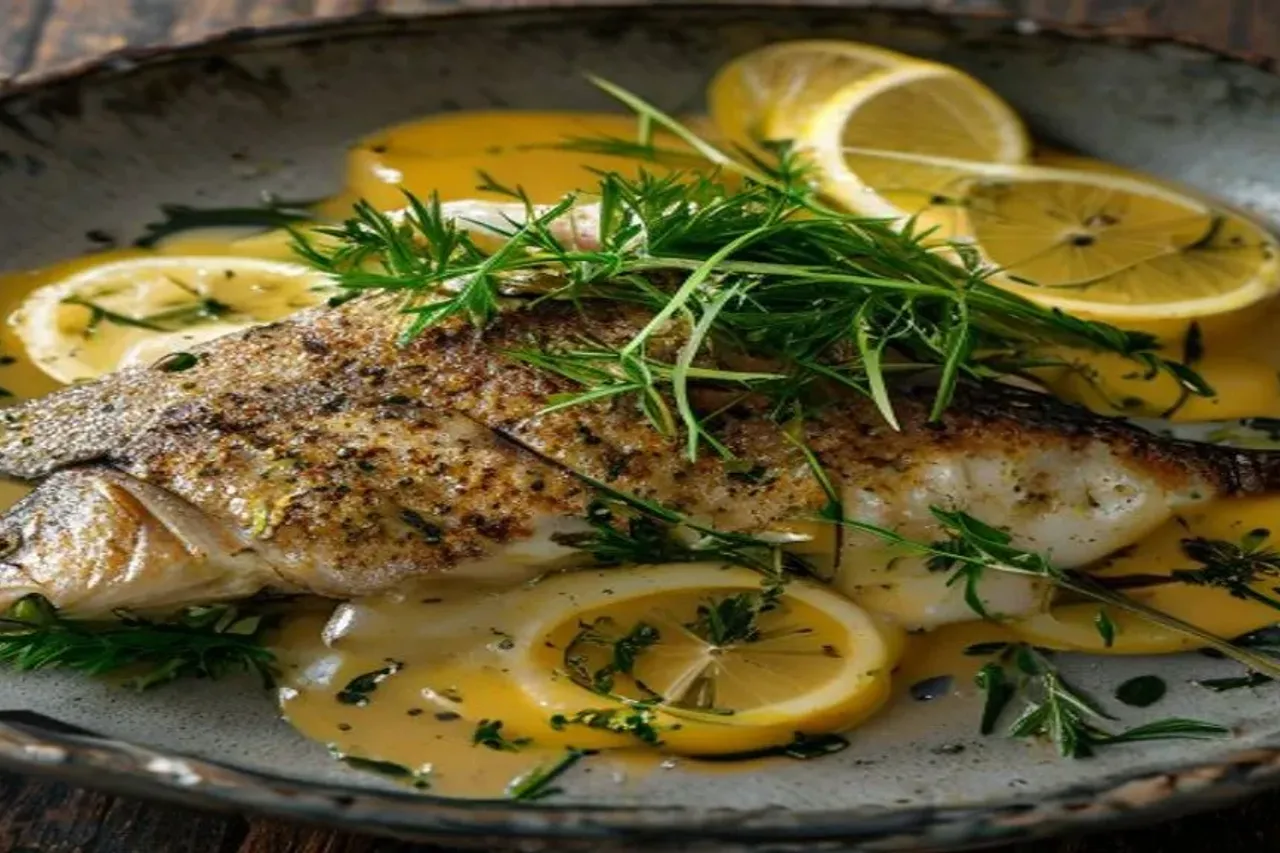
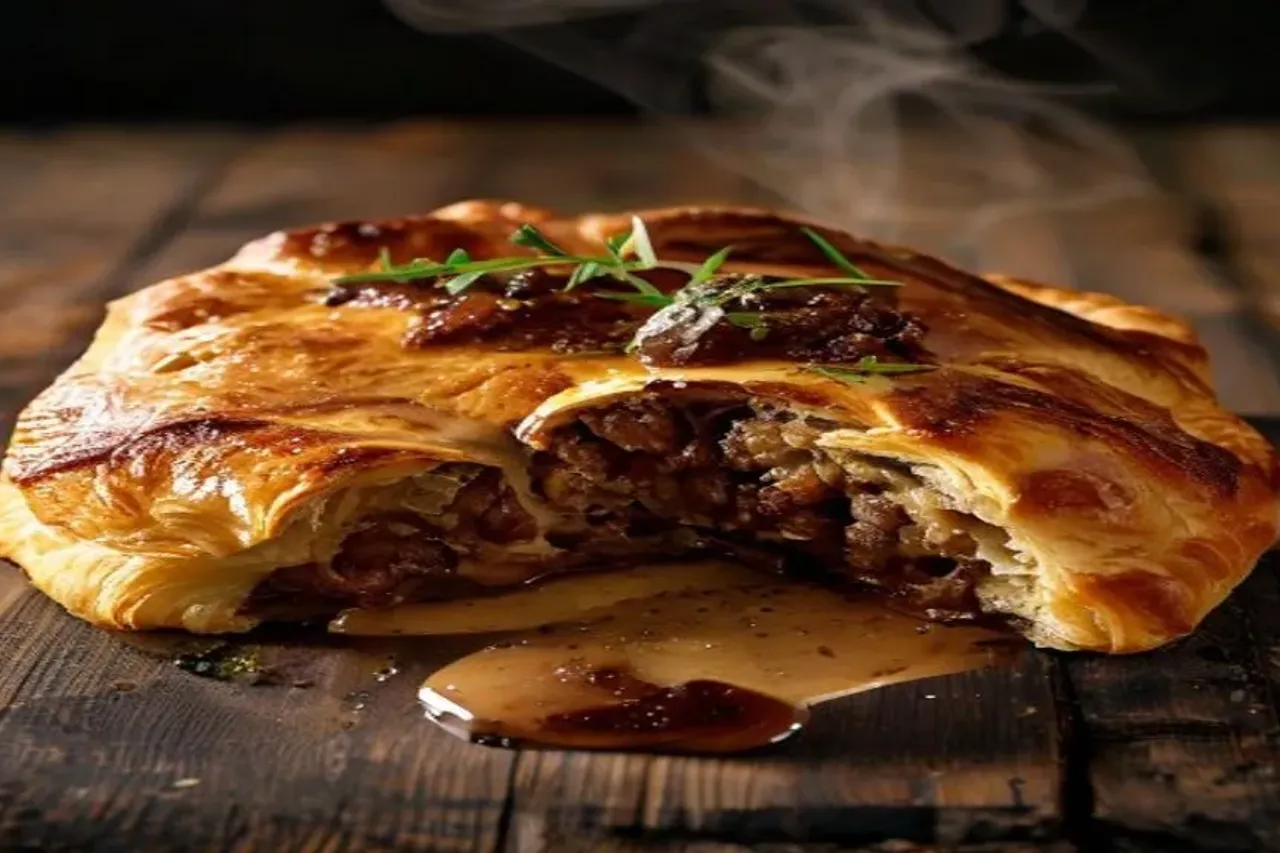
Lift the lid on these timeless delicacies


Make Us Your Preferred Culinary Source
Prioritize Ages & Spices in your Google Discover, Top Stories, and AI search feed with one tap.
🎭How does this recipe make you feel?
Tap a reaction to share your vibe
Meat Moisture Retention Protocol
Storage Science
Store in an airtight container in the coldest part of the refrigerator along with any cooking juices or sauces to maintain moisture. Consume within 3-4 days.
Reheating Science
Reheat gently in the oven at 300°F (150°C) or on the stovetop over low heat. Add a splash of broth or water and cover tightly to steam. This prevents the proteins from constricting and squeezing out their juices.
Taster's Notes
Community Feedback
0 Comments
Be the first to leave a note on this recipe!