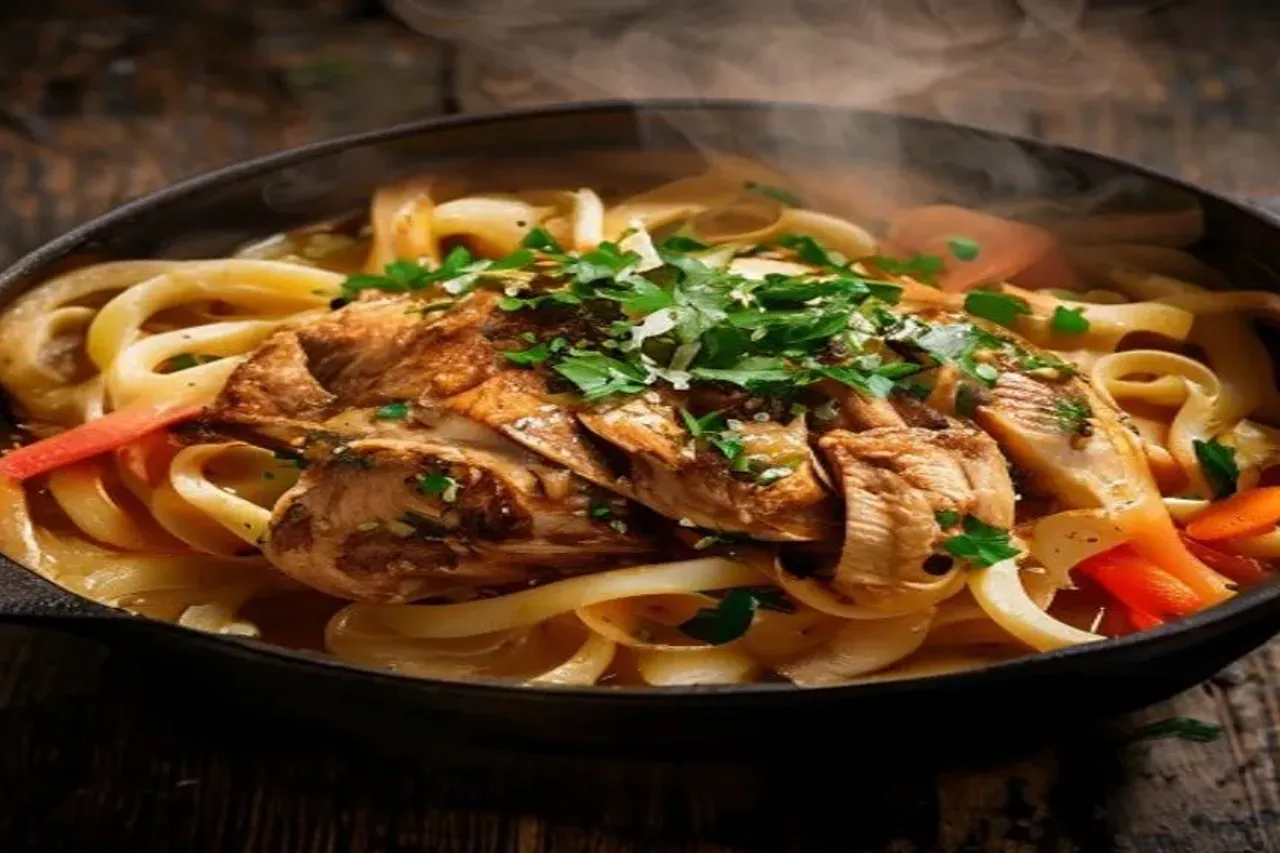
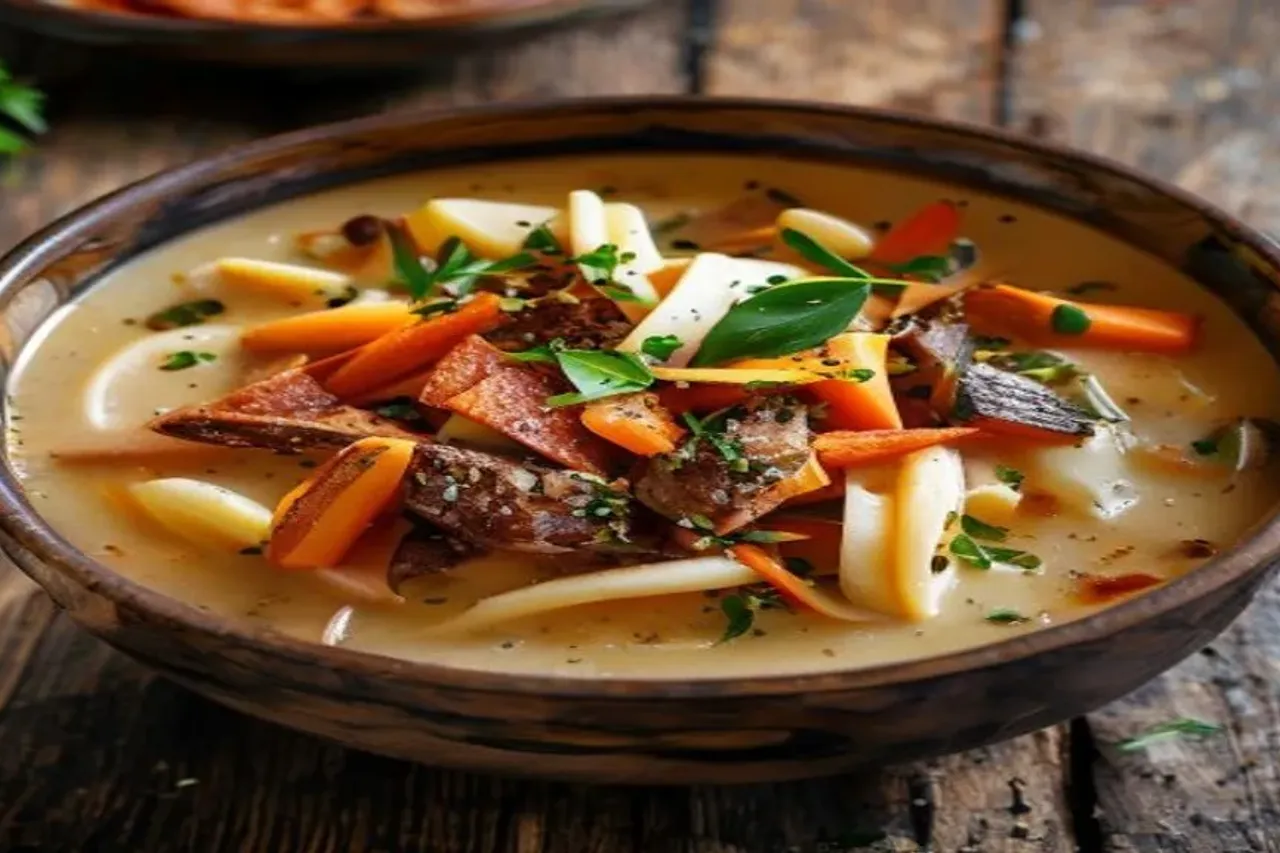
The Ultimate Homemade Chicken and Noodles Recipe
Royal Nutritional Ledger *
For those counting their gold coins and their calories.
The Royal Disclaimer: These figures are calculated by our finest AI court scholars based on standard ingredient values. They are highly educated estimates meant for guidance, not gospel. If you require absolute scientific precision for medical or dietary salvation, please consult a certified physician rather than our kitchen AI!
Did You Know?
Historical Tidbit
The tradition of chicken and noodles finds deep roots in Midwestern American cooking, often referred to as 'Amish-style' due to its prevalence in those communities.
First time here? Click the button above to automatically send all these ingredients to your highest-paying local grocery delivery app.
⚖️ The Modernizer
Missing extinct ingredients? Swap for accessible modern alternatives.
The Golden Rule
"Always salt your broth incrementally. As the water reduces during simmering, the salt concentration rises, so taste and adjust at the very end to avoid an accidental salt mine."
Ingredients
12 items required
Make Us Your Preferred Culinary Source
AI Emergency Hub
Hit a snag while prepping? Our elite AI tools are here to save your dish.
Missing an Ingredient?
Recipe Disaster?
Chef's Notes
Using bone-in chicken is non-negotiable if you want deeply flavorful broth. The bones release collagen that gives the soup its velvety texture, proving that true luxury comes from within.
Pro Tip
Never rush the simmer! A slow, gentle bubble extracts every ounce of flavor from the vegetables and chicken without turning your broth cloudy.
Kitchen Catastrophe Warning
Dropping the raw noodles into lukewarm water instead of a rolling boil, resulting in a disastrously mushy, gluey starch trap that breaks the heart of every dining guest.
The Jester's Corner
Royal Court Comedy
My grandmother insisted that a chicken breast never tasted good unless it had been interrogated in a 1950s pressure cooker for three hours.
The Culinary Science
Simmering chicken bones breaks down their connective tissue into gelatin, which thickens the broth slightly and coats your tongue, enhancing our perception of savory richness.
Make Us Your Preferred Culinary Source
Prioritize Ages & Spices in your Google Discover, Top Stories, and AI search feed with one tap.
🎭How does this recipe make you feel?
Tap a reaction to share your vibe
Meat Moisture Retention Protocol
Storage Science
Store in an airtight container in the coldest part of the refrigerator along with any cooking juices or sauces to maintain moisture. Consume within 3-4 days.
Reheating Science
Reheat gently in the oven at 300°F (150°C) or on the stovetop over low heat. Add a splash of broth or water and cover tightly to steam. This prevents the proteins from constricting and squeezing out their juices.
Taster's Notes
Community Feedback
0 Comments
Be the first to leave a note on this recipe!