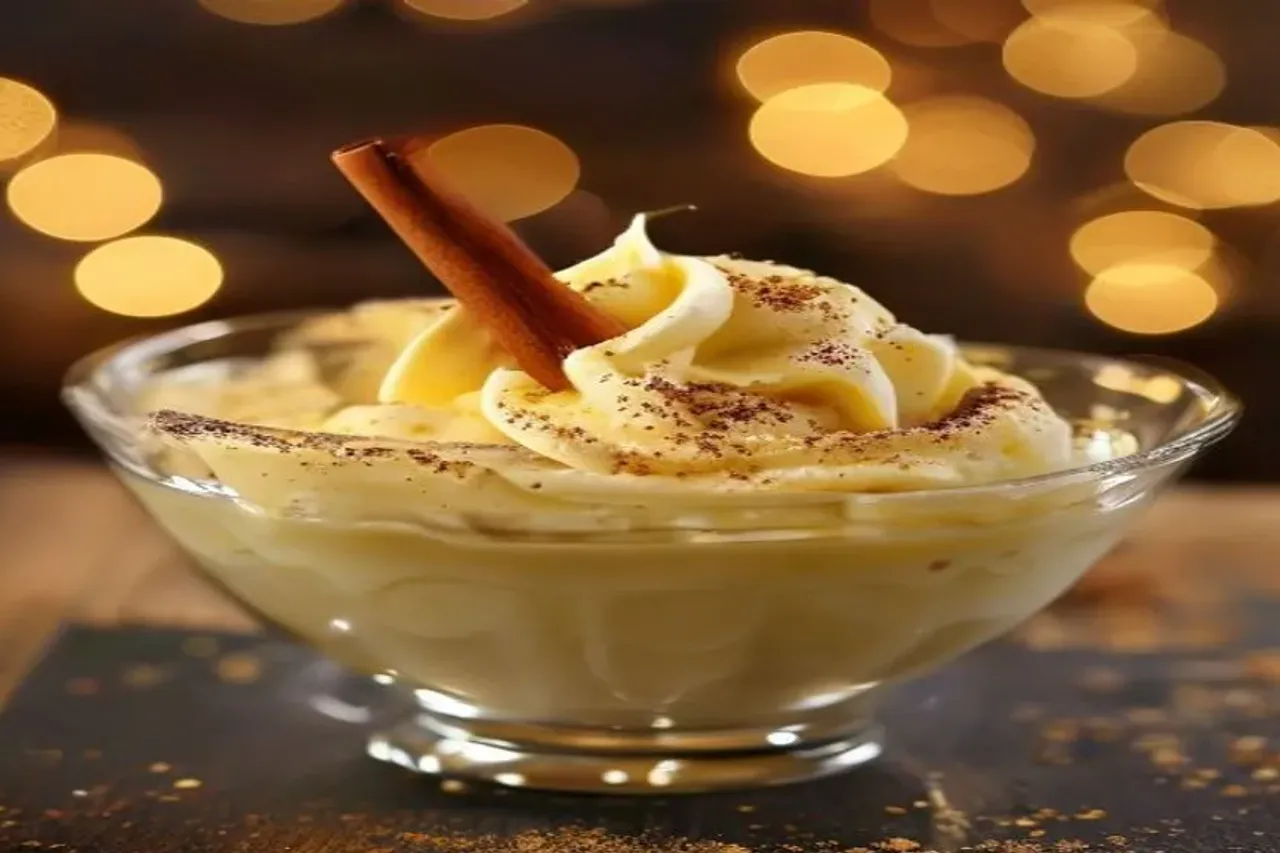
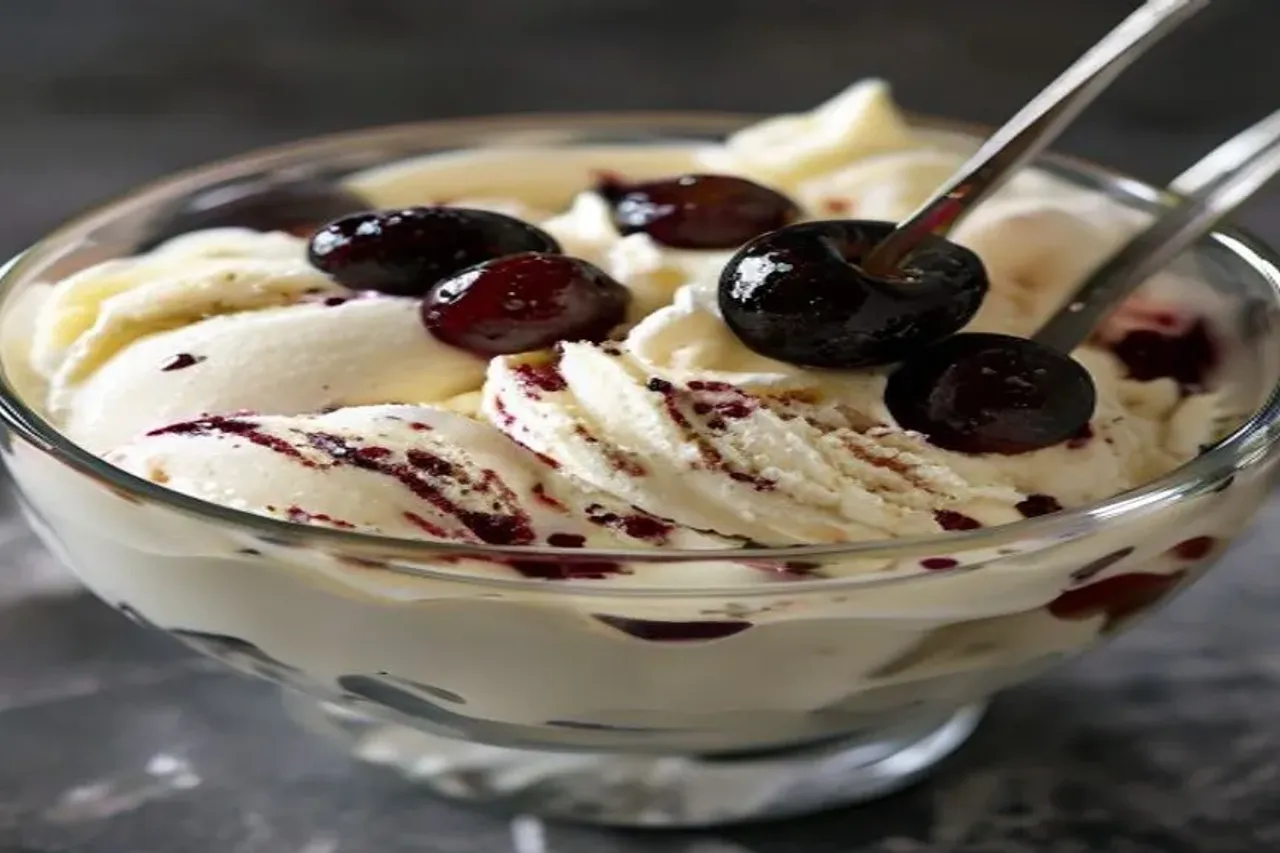
The Ultimate Homemade Eggnog Ice Cream Recipe
Royal Nutritional Ledger *
For those counting their gold coins and their calories.
The Royal Disclaimer: These figures are calculated by our finest AI court scholars based on standard ingredient values. They are highly educated estimates meant for guidance, not gospel. If you require absolute scientific precision for medical or dietary salvation, please consult a certified physician rather than our kitchen AI!
Did You Know?
Historical Tidbit
Eggnog finds its origins in the early medieval British drink 'posset', which was a hot, milky, ale-like beverage.
First time here? Click the button above to automatically send all these ingredients to your highest-paying local grocery delivery app.
⚖️ The Modernizer
Missing extinct ingredients? Swap for accessible modern alternatives.
The Golden Rule
"Always temper your egg yolks slowly, or the sudden heat will shock them into lumps."
Ingredients
10 items required
Make Us Your Preferred Culinary Source
AI Emergency Hub
Hit a snag while prepping? Our elite AI tools are here to save your dish.
Missing an Ingredient?
Recipe Disaster?
Chef's Notes
Eggnog ice cream requires absolute patience during the custard-making phase. Never rush the heat, or you will end up with sweet scrambled eggs.
Pro Tip
Chill your custard base overnight if you have the time; a colder base yields a much smoother and creamier final ice cream.
Kitchen Catastrophe Warning
Turning your back on the stove for thirty seconds while thickening the custard, resulting in a thick, eggy crust at the bottom of the pan that tastes like a burnt omelet.
The Jester's Corner
Royal Court Comedy
The King asked for ice cream, so I spent twelve hours chilling it—he ate it in thirty seconds and asked why it wasn't warm. Typical.
The Culinary Science
Alcohol lowers the freezing point of water, which is why adding a splash of rum or bourbon keeps your ice cream scoopable and prevents it from turning into a frozen brick.
Make Us Your Preferred Culinary Source
Prioritize Ages & Spices in your Google Discover, Top Stories, and AI search feed with one tap.
🎭How does this recipe make you feel?
Tap a reaction to share your vibe
Pastry & Confectionery Stabilization
Storage Science
Cakes and soft desserts should be wrapped tightly to prevent moisture loss and stored at room temperature (if no perishable fillings) or refrigerated. Consume within 3 days.
Reheating Science
Serve at room temperature for optimal flavor perception, as cold mutes sweetness. If it's a baked pastry, flash-heat in a 350°F (175°C) oven for 3-5 minutes to restore the butter matrix and crispness.
Taster's Notes
Community Feedback
0 Comments
Be the first to leave a note on this recipe!