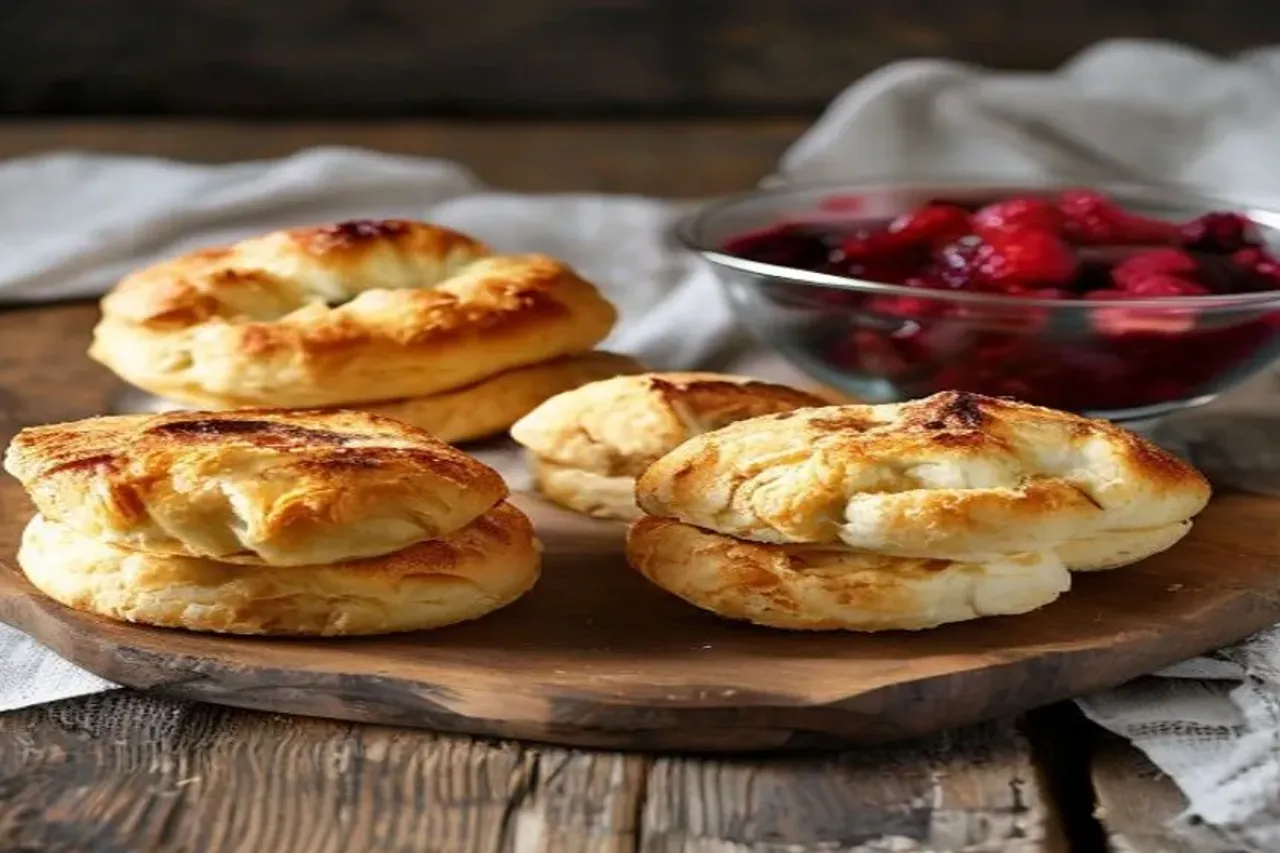
The Ultimate Homemade Scones Recipe
Royal Nutritional Ledger *
For those counting their gold coins and their calories.
The Royal Disclaimer: These figures are calculated by our finest AI court scholars based on standard ingredient values. They are highly educated estimates meant for guidance, not gospel. If you require absolute scientific precision for medical or dietary salvation, please consult a certified physician rather than our kitchen AI!
Did You Know?
Historical Tidbit
Scones were originally cooked on a griddle called a girdle in Scotland before oven baking became standard.
First time here? Click the button above to automatically send all these ingredients to your highest-paying local grocery delivery app.
⚖️ The Modernizer
Missing extinct ingredients? Swap for accessible modern alternatives.
The Golden Rule
"Never, under any circumstances, use a knife to cut your baked scone in half. Always tear it apart gently with your hands! Knives flatten the delicate crumb structure and ruin the rustic charm. Respect the crumb, and the crumb will reward you with unparalleled melt-in-your-mouth texture."
Ingredients
9 items required
Make Us Your Preferred Culinary Source
AI Emergency Hub
Hit a snag while prepping? Our elite AI tools are here to save your dish.
Missing an Ingredient?
Recipe Disaster?
Chef's Notes
Listen well, my culinary disciples! The absolute cornerstone of scone perfection lies in the temperature of your ingredients. If your butter is even slightly warm, it will melt into the flour prematurely, robbing you of those coveted flaky layers. Keep everything ice-cold, work with the speed of a striking cobra, and never—under any circumstances—twist your cutter!
Pro Tip
Want to elevate your scones from mere royalty to supreme emperors? Freeze your grated or cubed butter for 15 minutes before mixing. Also, when you stack and gently press your dough scraps for the second roll, you create vertical layers that explode upward in the oven. It is pure kitchen sorcery!
Kitchen Catastrophe Warning
Do not dare to twist your cutter when punching out those scones, or you shall seal their edges shut and watch them rise as lopsided, miserable hockey pucks instead of fluffy clouds; and for the love of all things holy, let them cool slightly before slathering them unless you enjoy eating a soup of melted cream and broken dreams.
The Jester's Corner
Royal Court Comedy
I asked the chef why the scone was so crumbly, and he told me it's because it has a fragile ego just like the Duke of Gloucester.
The Culinary Science
Let us consult the laboratory of baking physics! Self-raising flour contains baking powder, which is a chemical leavening agent. When it reacts with the liquid (milk) and is exposed to the intense heat of your oven, it releases carbon dioxide gas. This gas gets trapped inside the pockets of melted butter fat, expanding rapidly and forcing the dough layers to puff up into the sky!
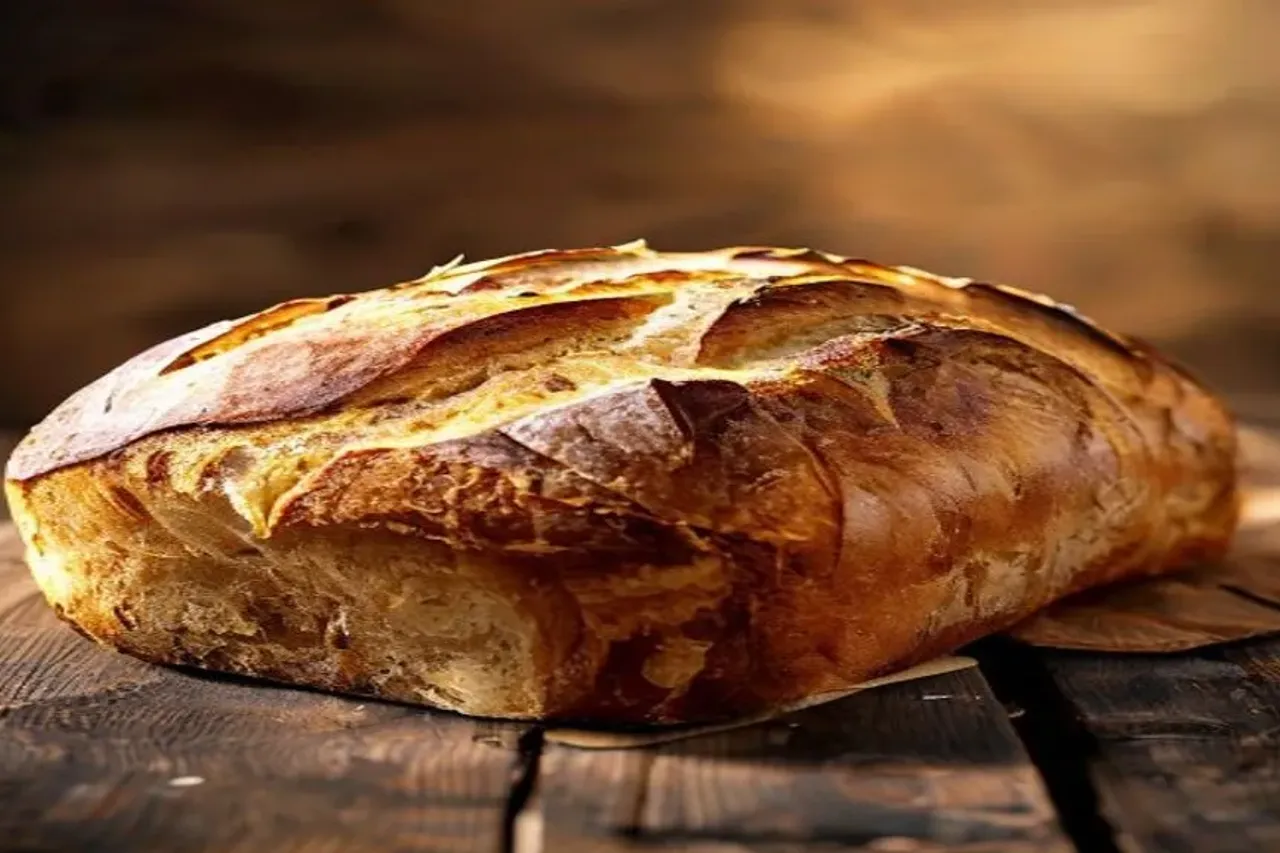
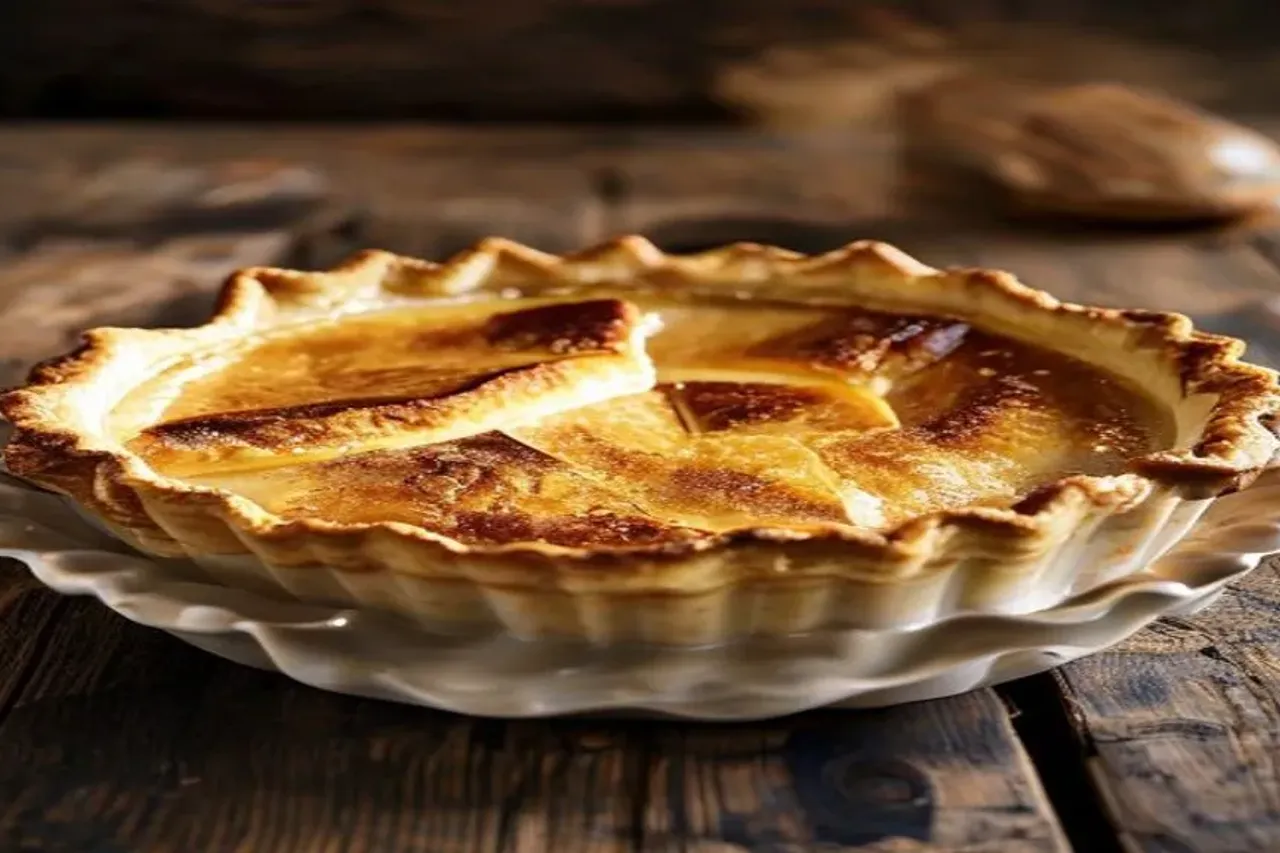
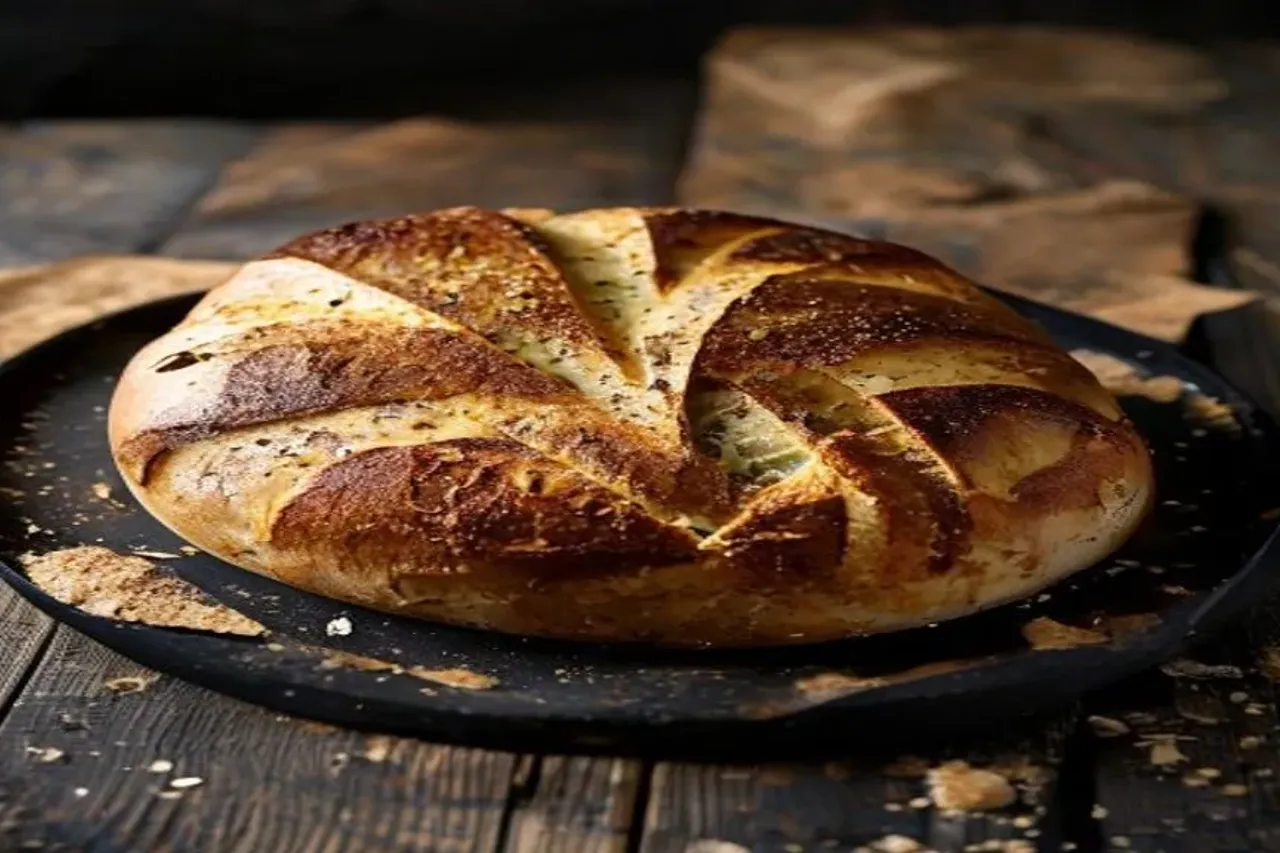
🏺 Explore More Royal Feasts
Lift the lid on these timeless delicacies

Make Us Your Preferred Culinary Source
Prioritize Ages & Spices in your Google Discover, Top Stories, and AI search feed with one tap.
🎭How does this recipe make you feel?
Tap a reaction to share your vibe
General Food Safety & Storage
Storage Science
Cool rapidly. Store in an airtight container in the refrigerator (below 4°C / 40°F). Consume within 3-4 days.
Reheating Science
Reheat to an internal temperature of 165°F (74°C). Use the stove or oven for best texture, stirring or turning occasionally to ensure even heating.
Taster's Notes
Community Feedback
0 Comments
Be the first to leave a note on this recipe!