The Ultimate How to Make a Lattice Top for a Pie Crust Recipe
Royal Nutritional Ledger *
For those counting their gold coins and their calories.
The Royal Disclaimer: These figures are calculated by our finest AI court scholars based on standard ingredient values. They are highly educated estimates meant for guidance, not gospel. If you require absolute scientific precision for medical or dietary salvation, please consult a certified physician rather than our kitchen AI!
Did You Know?
Historical Tidbit
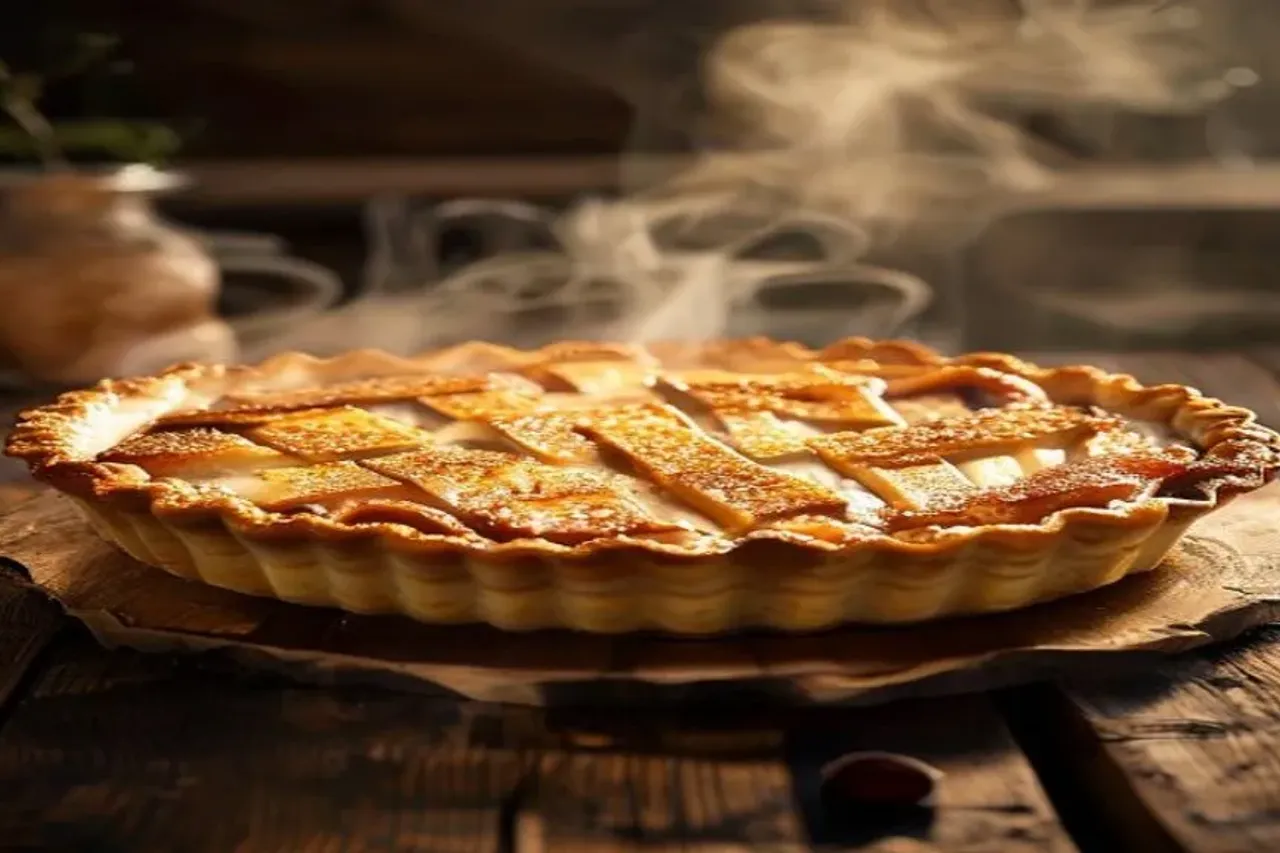
The lattice crust was traditionally used to help steam escape from fruit fillings, preventing the bottom crust from getting soggy.
First time here? Click the button above to automatically send all these ingredients to your highest-paying local grocery delivery app.
⚖️ The Modernizer
Missing extinct ingredients? Swap for accessible modern alternatives.
The Golden Rule
"Never rush the resting phase! A hot pie is a sloppy pie; let it cool so the filling can set properly before you carve into your masterpiece."
Ingredients
4 items required
Make Us Your Preferred Culinary Source
AI Emergency Hub
Hit a snag while prepping? Our elite AI tools are here to save your dish.
Missing an Ingredient?
Recipe Disaster?
Chef's Notes
Butter temperature is your best friend here! If your kitchen is warmer than a summer afternoon in the Sahara, pop your dough back into the fridge between every single step. A warm crust weeps fat and ruins the lattice structure.
Pro Tip
Keep a ruler nearby if your eyeball measurements tend to wander. Uniform strips equal even baking and an immaculate, magazine-worthy finish that will make your dinner guests weep with joy.
Kitchen Catastrophe Warning
Do not attempt to weave your lattice while your kitchen resembles a sauna, or you will find yourself wrestling with a lukewarm, sticky sheet of architectural despair that melts into a tragic dough blanket before you reach the second row.
The Jester's Corner
Royal Court Comedy
Why did the pie go to the royal therapist? It was feeling all filled up and needed to express its inner crust.
The Culinary Science
When the cold water in your pie dough turns to steam in the hot oven, it creates pockets of air that push against the gluten network, resulting in those wonderfully flaky, melt-in-your-mouth layers we all adore.
Make Us Your Preferred Culinary Source
Prioritize Ages & Spices in your Google Discover, Top Stories, and AI search feed with one tap.
🎭How does this recipe make you feel?
Tap a reaction to share your vibe
Pastry & Confectionery Stabilization
Storage Science
Cakes and soft desserts should be wrapped tightly to prevent moisture loss and stored at room temperature (if no perishable fillings) or refrigerated. Consume within 3 days.
Reheating Science
Serve at room temperature for optimal flavor perception, as cold mutes sweetness. If it's a baked pastry, flash-heat in a 350°F (175°C) oven for 3-5 minutes to restore the butter matrix and crispness.
Taster's Notes
Community Feedback
0 Comments
Be the first to leave a note on this recipe!