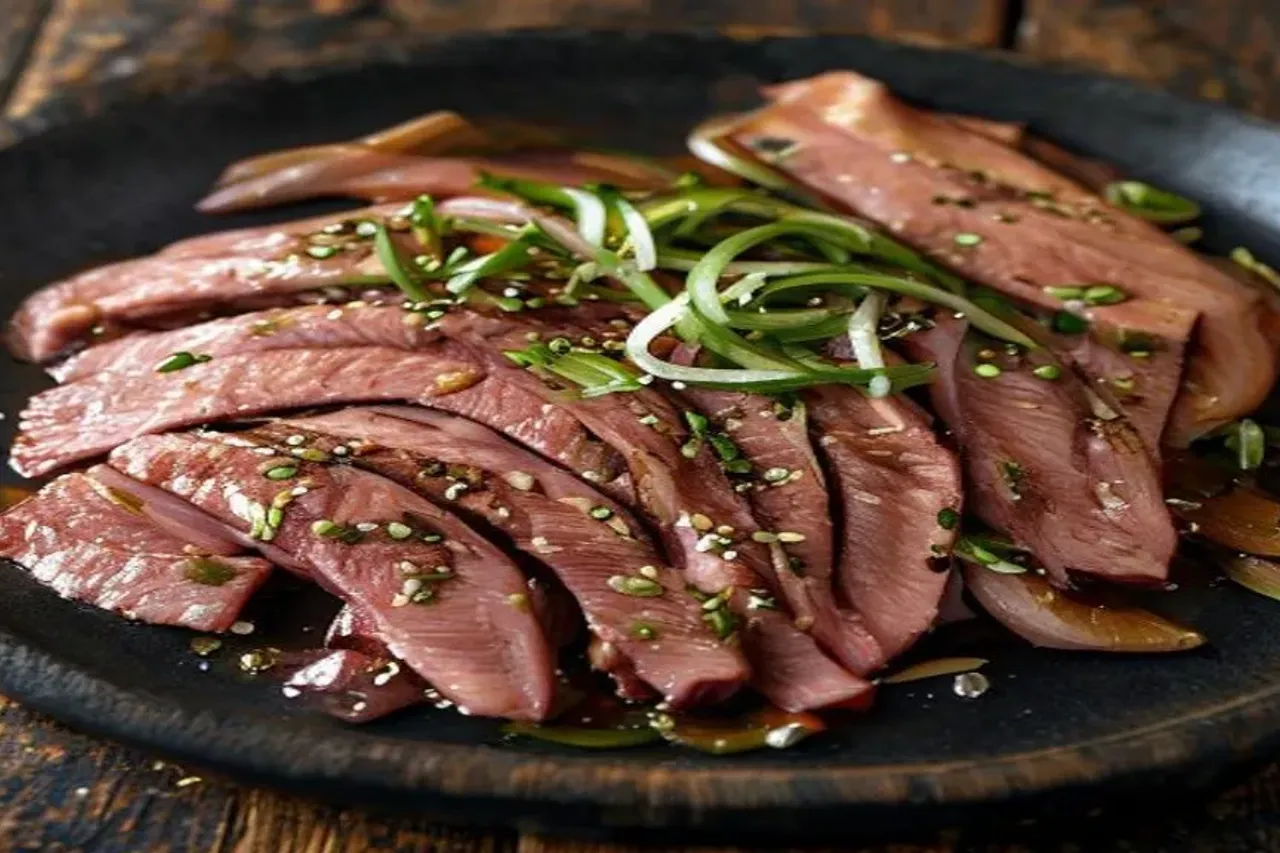
The Ultimate How to Make Classic Velveting Beef Recipe
Royal Nutritional Ledger *
For those counting their gold coins and their calories.
The Royal Disclaimer: These figures are calculated by our finest AI court scholars based on standard ingredient values. They are highly educated estimates meant for guidance, not gospel. If you require absolute scientific precision for medical or dietary salvation, please consult a certified physician rather than our kitchen AI!
Did You Know?
Historical Tidbit
The 'velveting' technique originated in Chinese cuisine as a way to ensure that lean, tougher cuts of meat remained succulent during the high-heat, rapid cooking of a traditional wok stir-fry.
First time here? Click the button above to automatically send all these ingredients to your highest-paying local grocery delivery app.
⚖️ The Modernizer
Missing extinct ingredients? Swap for accessible modern alternatives.
The Golden Rule
"Never, under any circumstances, skip the resting phase in the refrigerator, for time is the secret ingredient that allows the magic to truly penetrate the soul of the meat!"
Ingredients
2 items required
Make Us Your Preferred Culinary Source
AI Emergency Hub
Hit a snag while prepping? Our elite AI tools are here to save your dish.
Missing an Ingredient?
Recipe Disaster?
Chef's Notes
Listen well to the whispers of culinary wisdom, my friends! When handling economical cuts of beef, never underestimate the sheer transformative power of alkaline agents like baking soda. It is not mere chemistry; it is the great equalizer of the kitchen, turning humble ingredients into bites fit for a coronation.
Pro Tip
Gather round and heed this golden nugget of advice! When rinsing your beef after its refrigerator nap, ensure the water is genuinely cold to stop any accidental cooking in its tracks, and pat those strips as dry as a desert wind so your final searing gets that magnificent, glorious crust!
Kitchen Catastrophe Warning
If you dare skip the cold rinse and leave the baking soda clinging to the meat, your grand feast shall taste less like a royal velvet-textured masterpiece and more like a soapy, metallic disaster fit only for the castle dungeon!
The Jester's Corner
Royal Court Comedy
I asked the court butcher why my meat was so tough, and he suggested I stop trying to chew the ceramic plates instead of the beef.
The Culinary Science
Prepare to have your culinary minds thoroughly dazzled! Baking soda raises the pH surface of the meat, making it far more difficult for the protein fibers to bind tightly together when heated; this brilliant biochemical wizardry locks in the natural juices and guarantees a velvety-soft texture that defies the toughness of cheap cuts.
🏺 Explore More Royal Feasts
Lift the lid on these timeless delicacies

Make Us Your Preferred Culinary Source
Prioritize Ages & Spices in your Google Discover, Top Stories, and AI search feed with one tap.
🎭How does this recipe make you feel?
Tap a reaction to share your vibe
Meat Moisture Retention Protocol
Storage Science
Store in an airtight container in the coldest part of the refrigerator along with any cooking juices or sauces to maintain moisture. Consume within 3-4 days.
Reheating Science
Reheat gently in the oven at 300°F (150°C) or on the stovetop over low heat. Add a splash of broth or water and cover tightly to steam. This prevents the proteins from constricting and squeezing out their juices.
Taster's Notes
Community Feedback
0 Comments
Be the first to leave a note on this recipe!