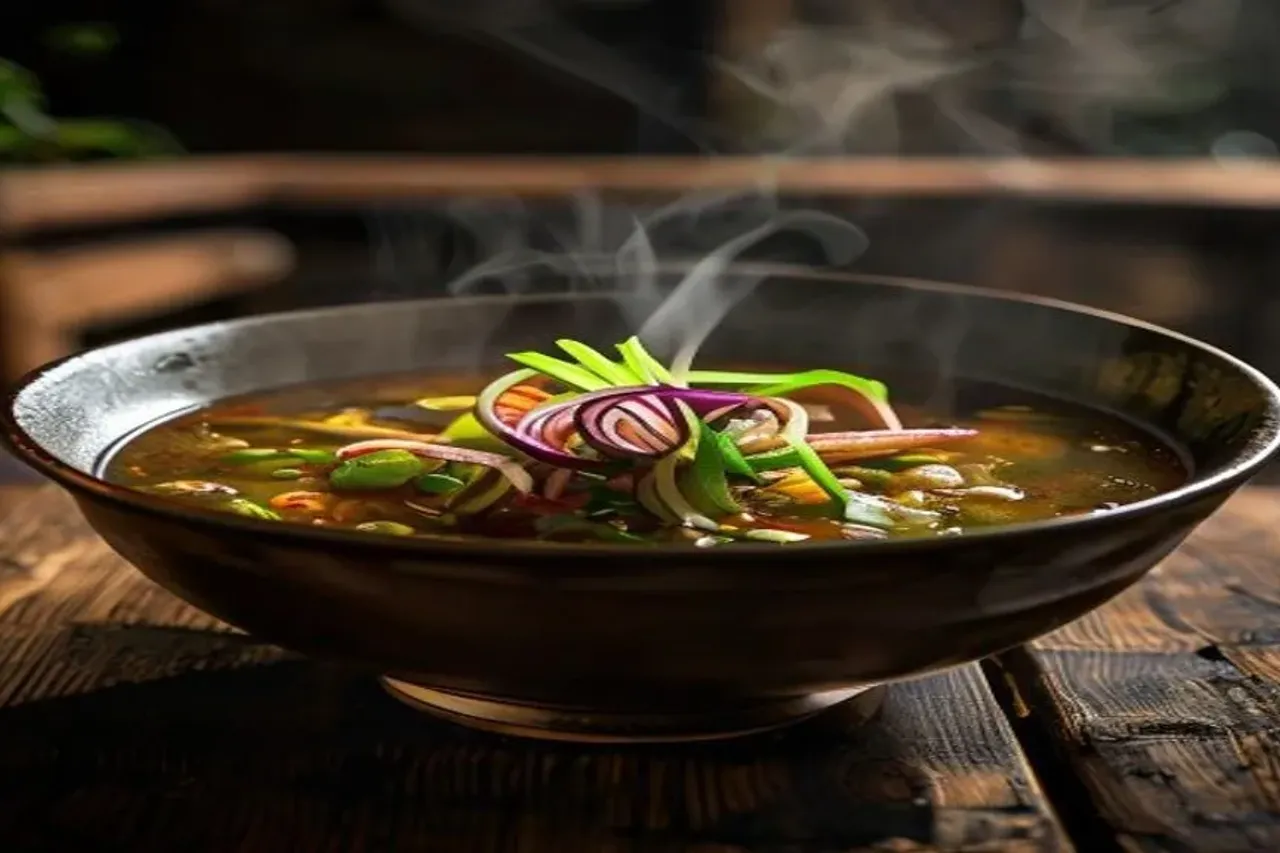
The Ultimate Indo-Chinese Vegetable Soup Recipe
Royal Nutritional Ledger *
For those counting their gold coins and their calories.
The Royal Disclaimer: These figures are calculated by our finest AI court scholars based on standard ingredient values. They are highly educated estimates meant for guidance, not gospel. If you require absolute scientific precision for medical or dietary salvation, please consult a certified physician rather than our kitchen AI!
Did You Know?
Historical Tidbit
Vegetable soup traces its origins to ancient times when herbalists boiled roots to create healing broths.
First time here? Click the button above to automatically send all these ingredients to your highest-paying local grocery delivery app.
⚖️ The Modernizer
Missing extinct ingredients? Swap for accessible modern alternatives.
The Golden Rule
"Never dump your corn flour slurry directly into boiling soup without cold water mixing first, unless you enjoy chewing on gelatinous, gluey yellow lumps of sadness."
Ingredients
19 items required
Make Us Your Preferred Culinary Source
AI Emergency Hub
Hit a snag while prepping? Our elite AI tools are here to save your dish.
Missing an Ingredient?
Recipe Disaster?
Chef's Notes
Balance is everything in Indo-Chinese cuisine. Do not rush the aromatics in the first step; letting the garlic and ginger sweat properly forms the indispensable foundation of this magnificent broth.
Pro Tip
Chop your vegetables to a uniform, tiny dice. Not only does this ensure they cook at the exact same lightning-fast speed, but it also gives every single spoonful a delightful, balanced crunch.
Kitchen Catastrophe Warning
Dropping the raw corn flour straight into the boiling soup without premixing it in cold water, instantly turning your delicate broth into lumpy, wallpaper-paste disaster zones that even your hungriest guard dog would reject.
The Jester's Corner
Royal Court Comedy
The Jester says: 'I told the chef the soup was too healthy, and he threatened to replace the vegetables with nothing but royal decrees!'
The Culinary Science
Corn starch contains long-chain carbohydrates called amylose and amylopectin. When heated with water, these molecules swell and burst, trapping liquid and creating the gorgeous, glossy thickening effect in your soup.
🏺 Explore More Royal Feasts
Lift the lid on these timeless delicacies
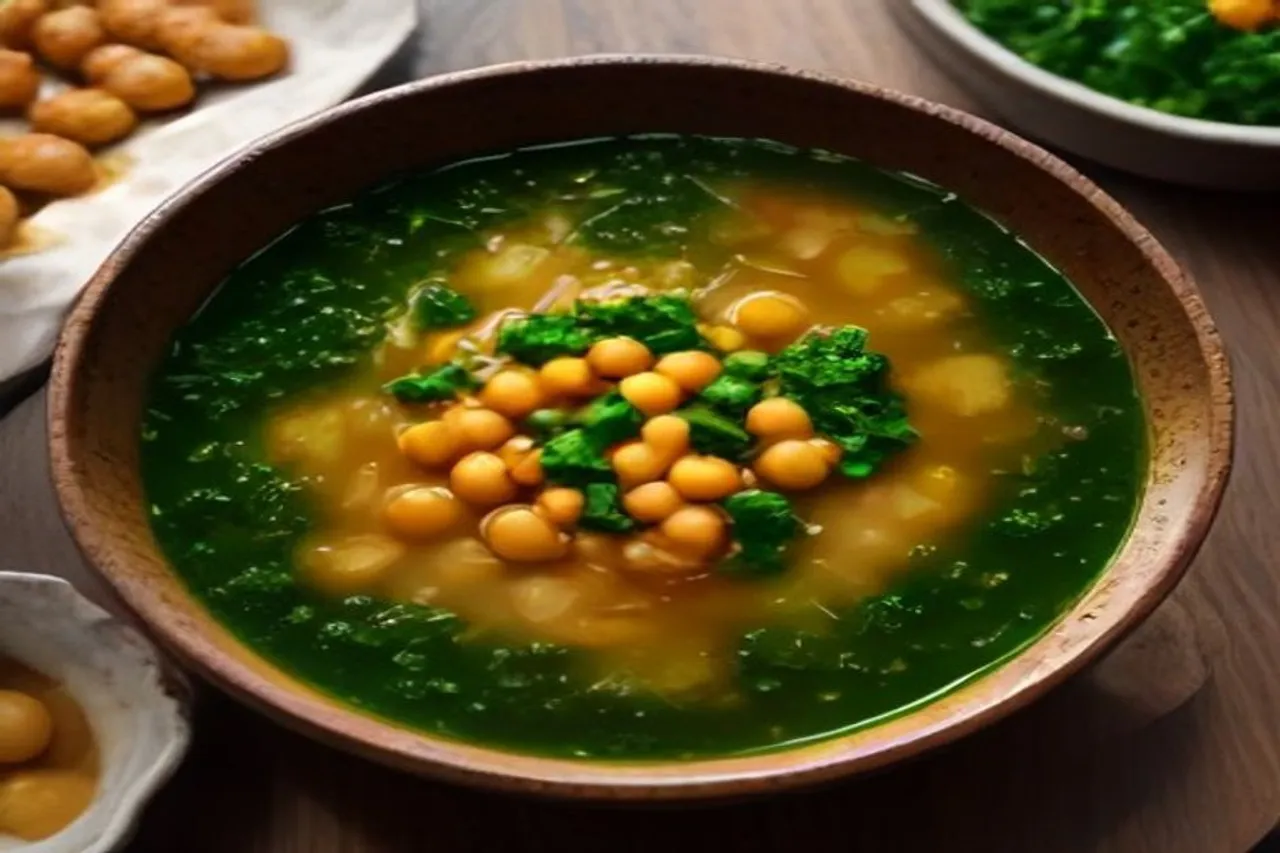
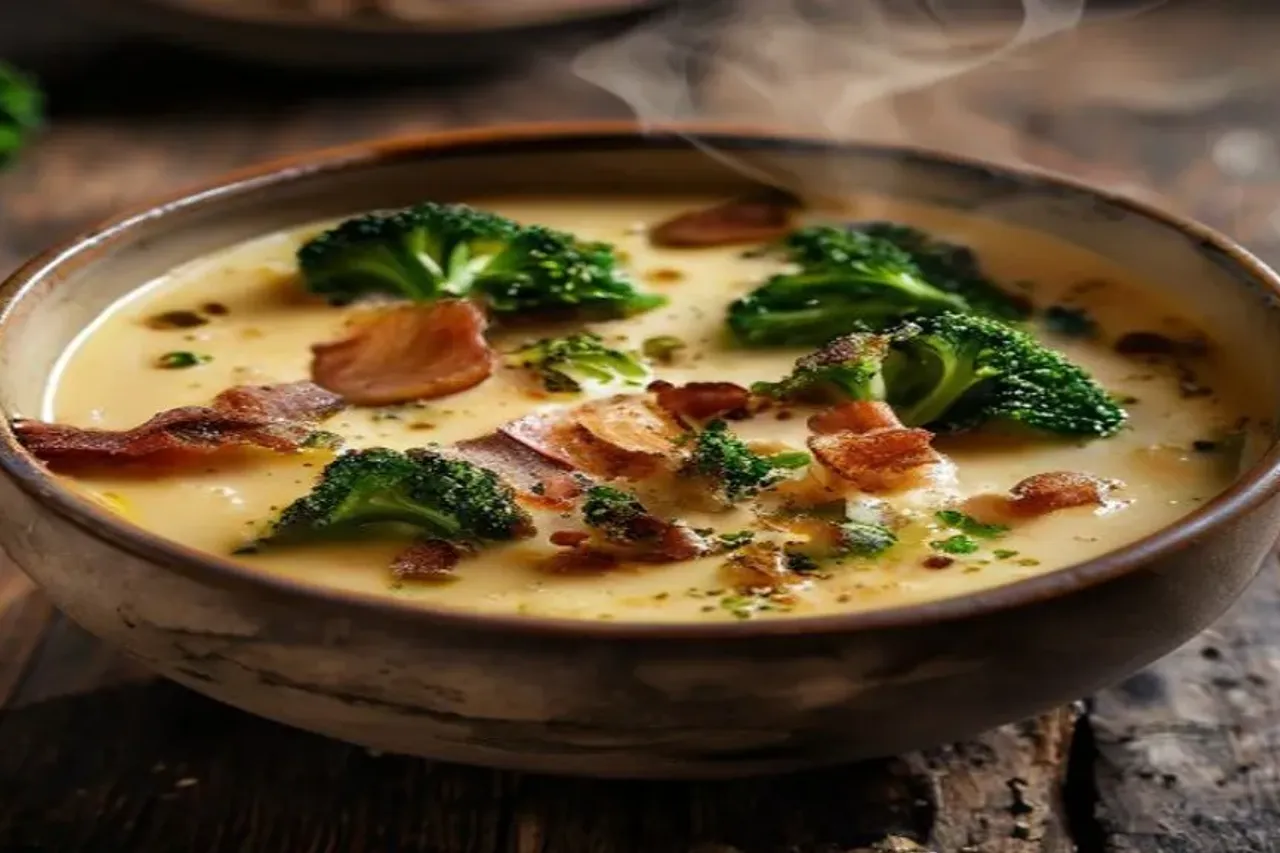
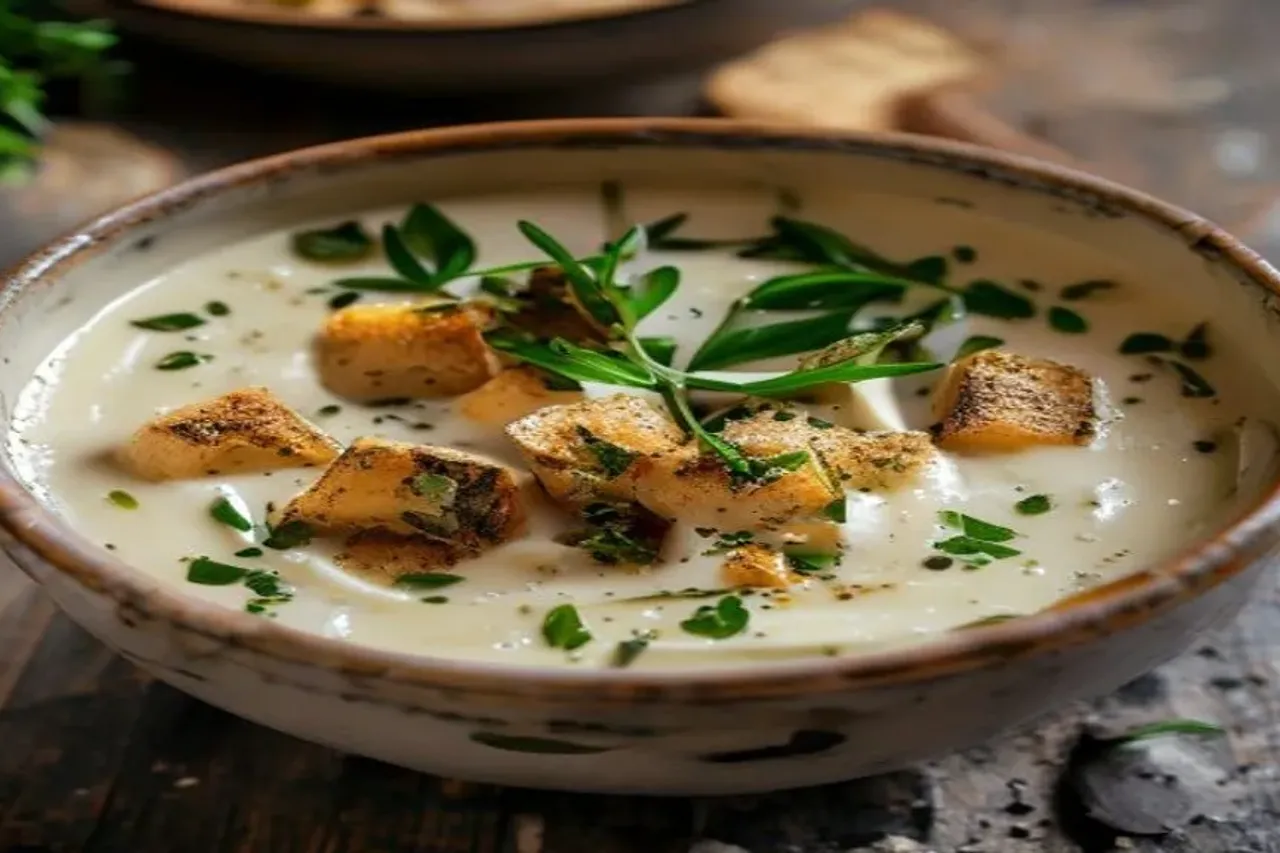
Make Us Your Preferred Culinary Source
Prioritize Ages & Spices in your Google Discover, Top Stories, and AI search feed with one tap.
🎭How does this recipe make you feel?
Tap a reaction to share your vibe
Flavor Maturation & Emulsion Protection
Storage Science
Cool rapidly in a shallow container before refrigerating. Curries and stews often taste better on day two as aromatic compounds continue to bloom and mingle in the fat matrix. Consume within 4 days.
Reheating Science
Reheat slowly on the stovetop over medium-low heat, stirring gently. If the fat has separated (broken emulsion), add a tablespoon of boiling water and whisk vigorously to re-emulsify before serving.
Taster's Notes
Community Feedback
0 Comments
Be the first to leave a note on this recipe!