The Ultimate Kal Dosa Recipe
Royal Nutritional Ledger *
For those counting their gold coins and their calories.
The Royal Disclaimer: These figures are calculated by our finest AI court scholars based on standard ingredient values. They are highly educated estimates meant for guidance, not gospel. If you require absolute scientific precision for medical or dietary salvation, please consult a certified physician rather than our kitchen AI!
Part of our South Indian Breakfast Master Index
Did You Know?
Historical Tidbit
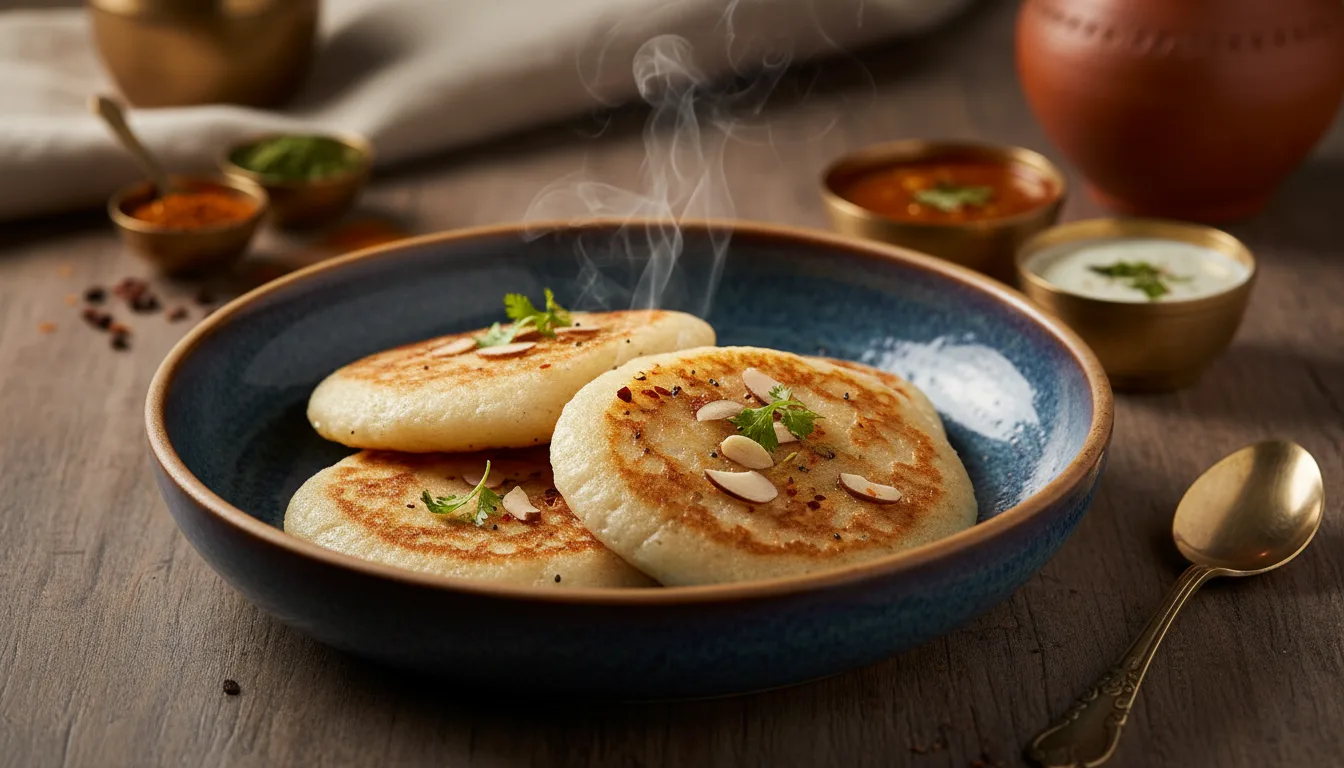
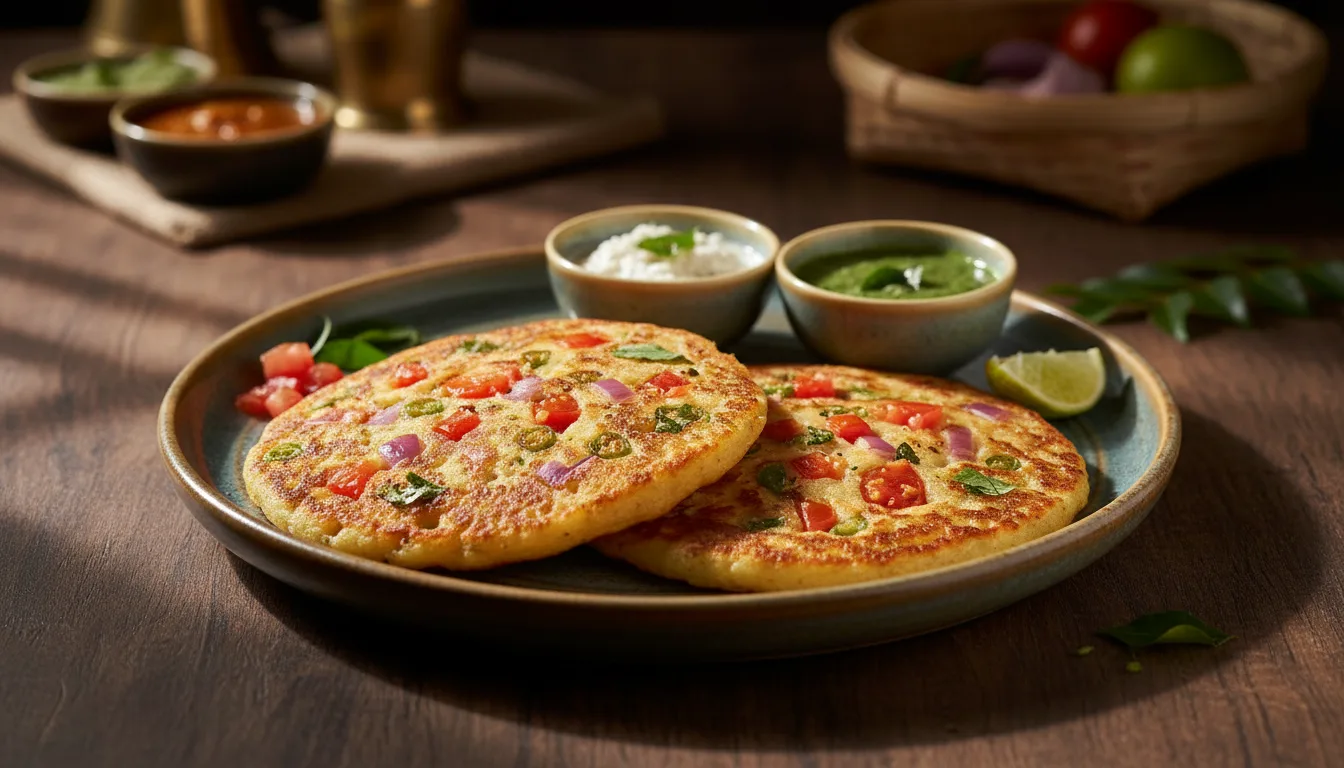
Kal Dosa, also known as 'stone dosa,' earned its name because it was traditionally cooked on a heavy stone griddle which retained heat exceptionally well.
First time here? Click the button above to automatically send all these ingredients to your highest-paying local grocery delivery app.
⚖️ The Modernizer
Missing extinct ingredients? Swap for accessible modern alternatives.
The Golden Rule
"Never rush the fermentation process. If your kitchen is colder than a winter morning, find a cozy spot inside your unheated oven with the light turned on to give your microbial workforce the tropical spa treatment they deserve."
Ingredients
7 items required
Make Us Your Preferred Culinary Source
AI Emergency Hub
Hit a snag while prepping? Our elite AI tools are here to save your dish.
Missing an Ingredient?
Recipe Disaster?
Chef's Notes
Listen closely, culinary adventurer! Kal dosa is not your average paper-thin crepe; it is delightfully spongy on top and crisp on the bottom. Treat your batter like delicate royalty—no aggressive whisking after fermentation, or you will banish all those beautiful air pockets straight to the shadow realm.
Pro Tip
Want the fluffiest results known to humanity? Ensure your grinding water is cool, especially if your machine runs hot. Heat is the ultimate enemy of a good lentil batter because it prematurely exhausts your yeast before the grand party even starts!
Kitchen Catastrophe Warning
Beware the dreaded over-fermentation disaster! If you forget your batter on the counter for 18 hours, it will turn into a bubbling, acidic volcano that smells like a chemistry lab explosion and tastes like regret. Keep an eye on the clock!
The Jester's Corner
Royal Court Comedy
I asked the chef why the dosa was thick and he told me it was 'diet-conscious'—turns out he just forgot to add enough water.
The Culinary Science
Wild lactic acid bacteria and natural yeasts are throwing a rave in your mixing bowl! As they consume the starches, they release carbon dioxide gas, which gets trapped by the sticky gluten networks of the urad dal, causing your batter to rise like magic.
Make Us Your Preferred Culinary Source
Prioritize Ages & Spices in your Google Discover, Top Stories, and AI search feed with one tap.
🎭How does this recipe make you feel?
Tap a reaction to share your vibe
General Food Safety & Storage
Storage Science
Cool rapidly. Store in an airtight container in the refrigerator (below 4°C / 40°F). Consume within 3-4 days.
Reheating Science
Reheat to an internal temperature of 165°F (74°C). Use the stove or oven for best texture, stirring or turning occasionally to ensure even heating.
Taster's Notes
Community Feedback
0 Comments
Be the first to leave a note on this recipe!