The Ultimate Kappamaki Recipe
Royal Nutritional Ledger *
For those counting their gold coins and their calories.
The Royal Disclaimer: These figures are calculated by our finest AI court scholars based on standard ingredient values. They are highly educated estimates meant for guidance, not gospel. If you require absolute scientific precision for medical or dietary salvation, please consult a certified physician rather than our kitchen AI!
Part of our Traditional Japanese Sushi, Ramen, and Snacks Master Index
Did You Know?
Historical Tidbit
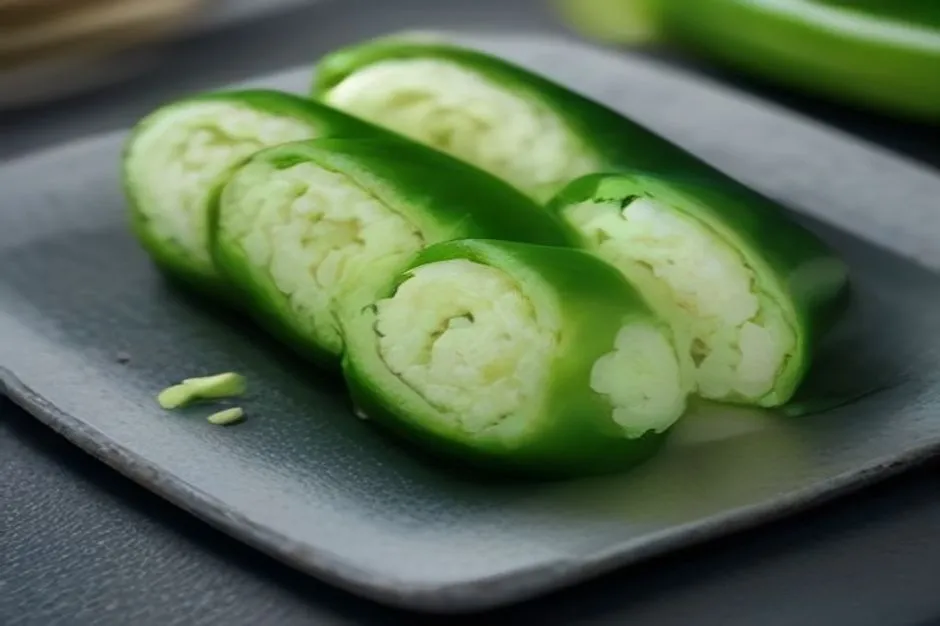
Kappamaki is named after the mythical Japanese water-imp known as the Kappa, whose absolute favorite food in folklore is none other than the humble cucumber.
First time here? Click the button above to automatically send all these ingredients to your highest-paying local grocery delivery app.
⚖️ The Modernizer
Missing extinct ingredients? Swap for accessible modern alternatives.
The Golden Rule
"Never squish the rice! Treat it like a gentle cloud, not a brick in a fortress wall."
Ingredients
11 items required
Make Us Your Preferred Culinary Source
AI Emergency Hub
Hit a snag while prepping? Our elite AI tools are here to save your dish.
Missing an Ingredient?
Recipe Disaster?
Chef's Notes
Do not refrigerate your rice unless you want it to transform into ancient driveway gravel. Freshly cooked, gently cooled rice is the ultimate secret to sushi success.
Pro Tip
Keep a small bowl of water mixed with a splash of rice vinegar nearby to dip your fingers into. It stops the sticky rice from claiming your hands as its permanent home.
Kitchen Catastrophe Warning
Beware of applying the rice too thick and heavy, turning your delicate cucumber roll into a massive, choking log of starchy despair that collapses upon the very first slice.
The Jester's Corner
Royal Court Comedy
Why did the cucumber roll break up with the soy sauce? Because it felt things were getting a little too salty.
The Culinary Science
Short-grain Japanese rice contains a high amount of amylopectin, a sticky starch molecule that gives the grain its cohesive, gelatinous texture when cooked.
Make Us Your Preferred Culinary Source
Prioritize Ages & Spices in your Google Discover, Top Stories, and AI search feed with one tap.
🎭How does this recipe make you feel?
Tap a reaction to share your vibe
General Food Safety & Storage
Storage Science
Cool rapidly. Store in an airtight container in the refrigerator (below 4°C / 40°F). Consume within 3-4 days.
Reheating Science
Reheat to an internal temperature of 165°F (74°C). Use the stove or oven for best texture, stirring or turning occasionally to ensure even heating.

Taster's Notes
Community Feedback
0 Comments
Be the first to leave a note on this recipe!