The Ultimate Lime and Herb Masala Chicken Recipe
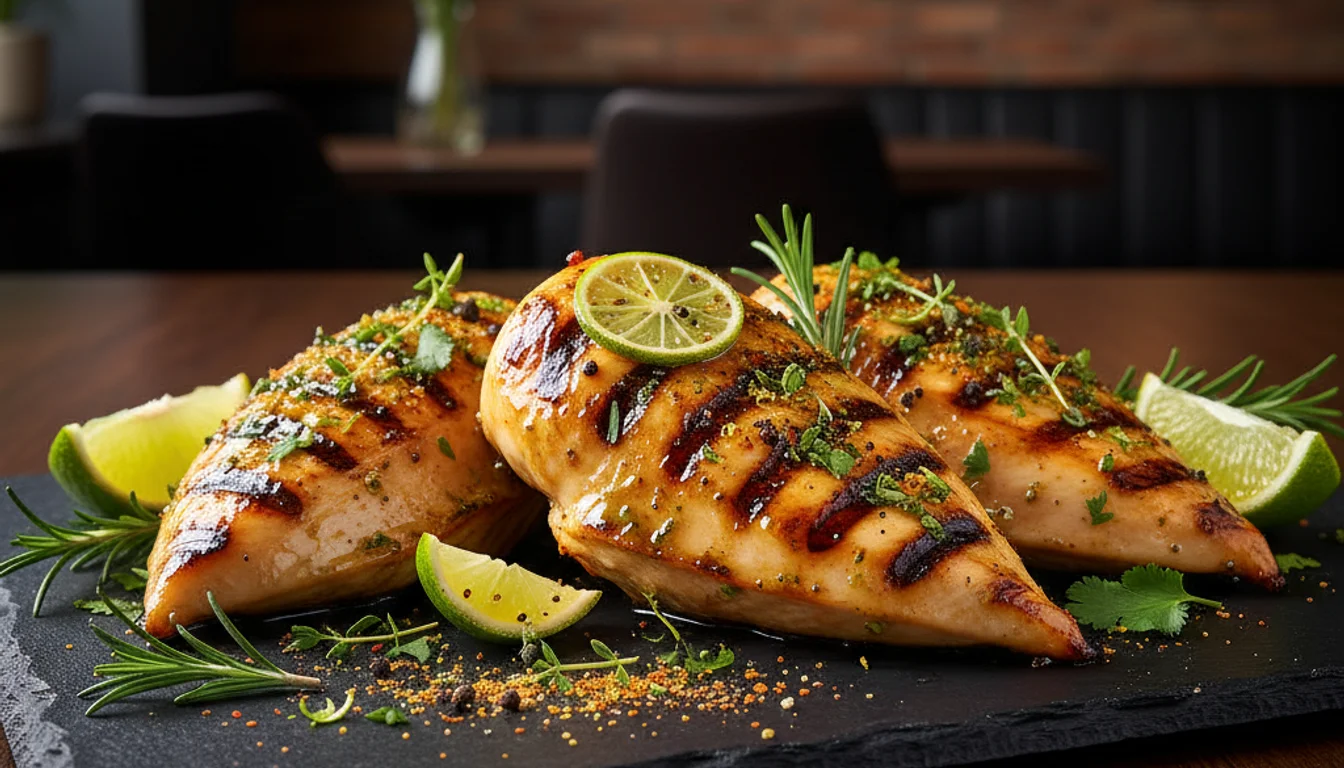
Royal Nutritional Ledger *
For those counting their gold coins and their calories.
The Royal Disclaimer: These figures are calculated by our finest AI court scholars based on standard ingredient values. They are highly educated estimates meant for guidance, not gospel. If you require absolute scientific precision for medical or dietary salvation, please consult a certified physician rather than our kitchen AI!
The Viral Kitchen Phenomenon: Internet-Famous Recipes Mastered by Science
Did You Know?
Historical Tidbit
The fusion of citrus marinades with Indian tandoori spices dates back to ancient coastal trade routes, where Persian travelers brought lime-marinated skewered meats (*Joojeh Kabab*) to Indian ports, where local chefs coated them in crushed coriander, mint, and ginger-garlic.
First time here? Click the button above to automatically send all these ingredients to your highest-paying local grocery delivery app.
⚖️ The Modernizer
Missing extinct ingredients? Swap for accessible modern alternatives.
The Golden Rule
"Zest the limes before juicing, and rest the chicken for 5 minutes after searing to preserve internal moisture."
Ingredients
20 items required
The Chicken Core:
The Bright Lime & Fresh Herb Marinade:
The Dry Warm Masala Spices:
The Skillet Sear & Pan Sauce:
Make Us Your Preferred Culinary Source
AI Emergency Hub
Hit a snag while prepping? Our elite AI tools are here to save your dish.
Missing an Ingredient?
Recipe Disaster?
Chef's Notes
**Why Lime Zest Is Superior to Lime Juice Alone**: Lime juice provides *citric acid*, which chemically tenderizes protein, but prolonged soaking can turn chicken mushy. Lime zest contains *limonene* essential oils stored in microscopic oil glands on the peel. These oils survive high-heat skillet searing, releasing intense, floral citrus aroma that juice alone cannot deliver. **Coarsely Crushed Coriander Seeds**: Do not use fine coriander powder alone. Coarsely cracking whole coriander seeds between a rolling pin creates crunchy, toasted citrus bursts on the chicken crust during high-heat pan searing.
Pro Tip
1. **Pound for Uniform Thickness**: An uneven chicken breast will result in dry, overcooked thin edges while the thick center remains raw. Pounding to a uniform 1.5 cm ensures every bite is juicy. 2. **Never Move the Chicken Early**: When you place chicken into the hot skillet, leave it untouched for 4 minutes. The meat naturally releases from the metal once the Maillard crust forms. 3. **Air Fryer Alternative**: Air fry marinated cutlets at 200°C (400°F) for 10 to 12 minutes, flipping halfway, for a zero-splatter weeknight dinner!
Kitchen Catastrophe Warning
**Disaster — The Chicken Released Too Much Liquid and Began Steaming Instead of Searing**: The skillet was overcrowded or wasn't hot enough. **The Rescue**: Immediately transfer half the chicken to a warm plate and crank the burner to maximum heat. The excess skillet liquid will rapidly evaporate in 90 seconds, allowing the pan surface to dry out and ignite the golden Maillard crust. Sear the remaining pieces in a second batch.
The Jester's Corner
Royal Court Comedy
If your fitness meal prep consists of boiled chicken breast seasoned with tap water and despair, you need to confess your sins to the spice cabinet immediately. The smell of bubbling lime-herb butter searing on a hot cast-iron skillet has been proven to summon neighbors within a 50-meter radius. Our Royal Chef insists that any chicken breast cooked without lime zest is merely a missed opportunity for greatness.
The Culinary Science
**Citric Acid & Protein Denaturation Dynamics**: Lime juice has a $pH \approx 2.2$. When applied to chicken breast, the hydrogen ions ($H^+$) disrupt weak hydrogen and ionic bonds stabilizing the quaternary and tertiary protein structures of *myosin* and *actin*. A short 15-minute marination slightly loosens the protein fibers, allowing moisture and lipophilic aromatics (*limonene* and *menthol*) to penetrate deeply, without denaturing the proteins so heavily that they squeeze out water and turn rubbery.
Featured in Master Menu Collections
Calibrated by culinary science for foolproof execution and maximum flavor.
🏺 Explore More Royal Feasts
Lift the lid on these timeless delicacies
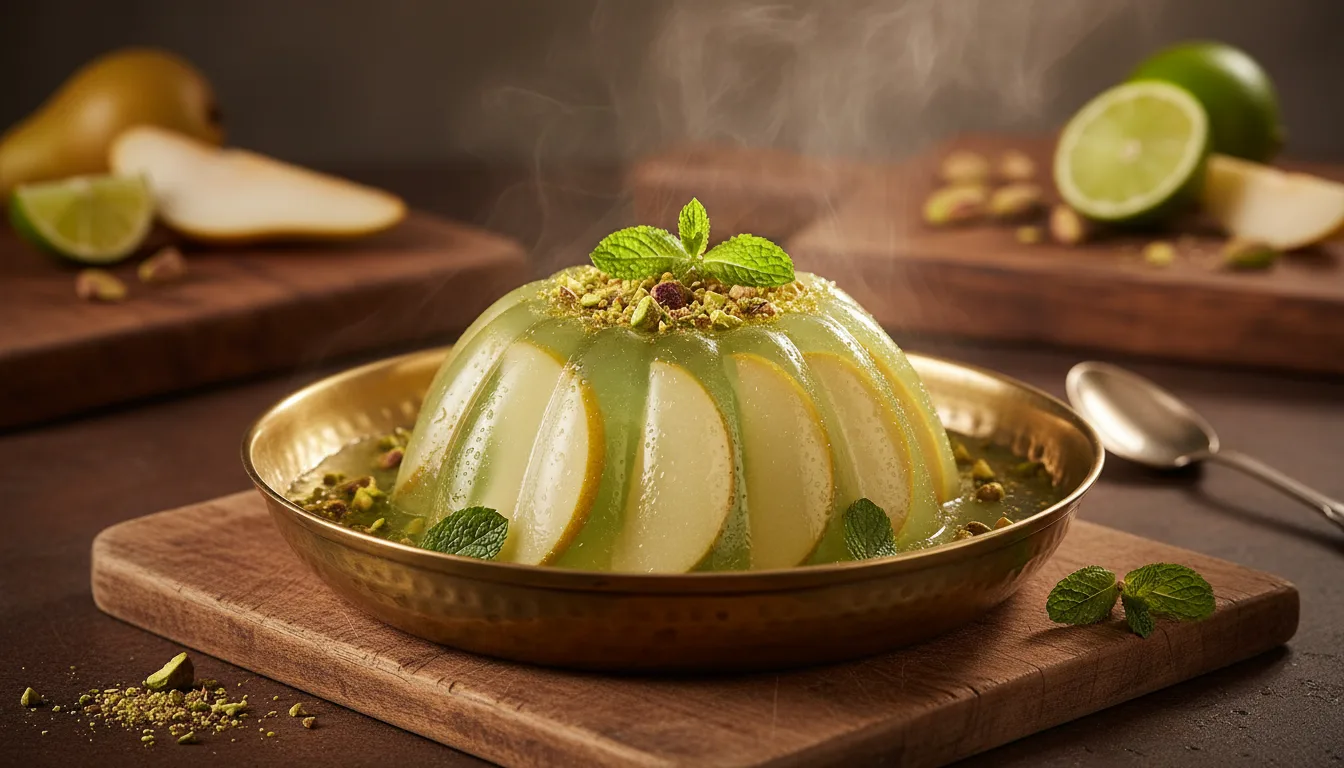
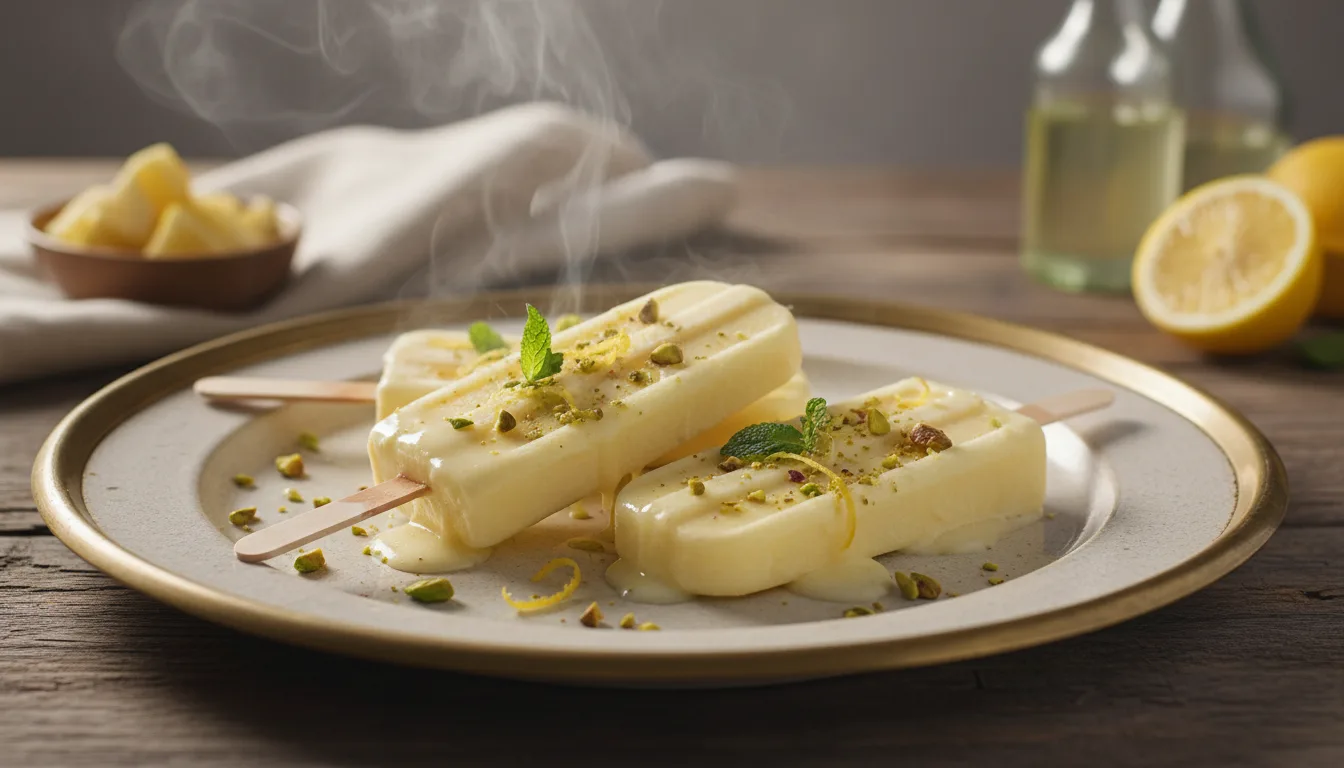
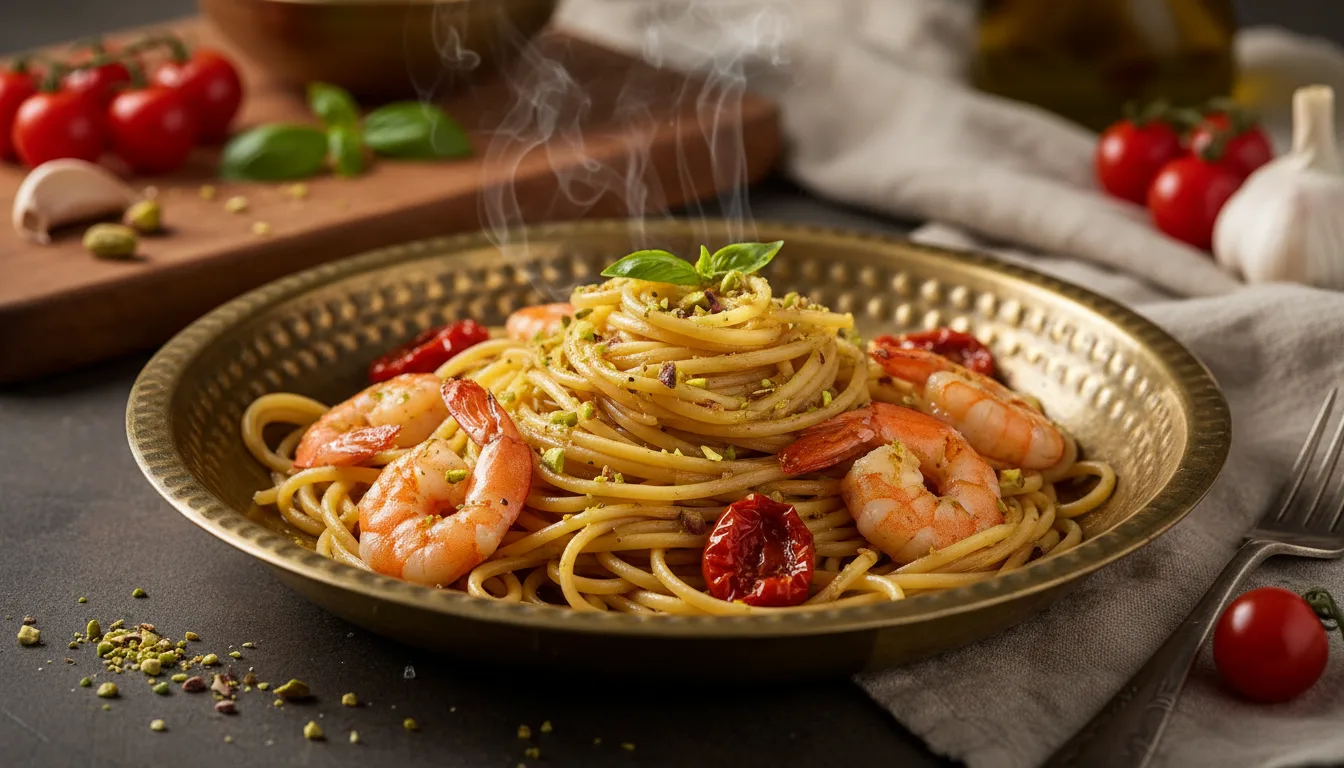
Make Us Your Preferred Culinary Source
Prioritize Ages & Spices in your Google Discover, Top Stories, and AI search feed with one tap.
🎭How does this recipe make you feel?
Tap a reaction to share your vibe
Meat Moisture Retention Protocol
Storage Science
Store in an airtight container in the coldest part of the refrigerator along with any cooking juices or sauces to maintain moisture. Consume within 3-4 days.
Reheating Science
Reheat gently in the oven at 300°F (150°C) or on the stovetop over low heat. Add a splash of broth or water and cover tightly to steam. This prevents the proteins from constricting and squeezing out their juices.
Taster's Notes
Community Feedback
0 Comments
Be the first to leave a note on this recipe!