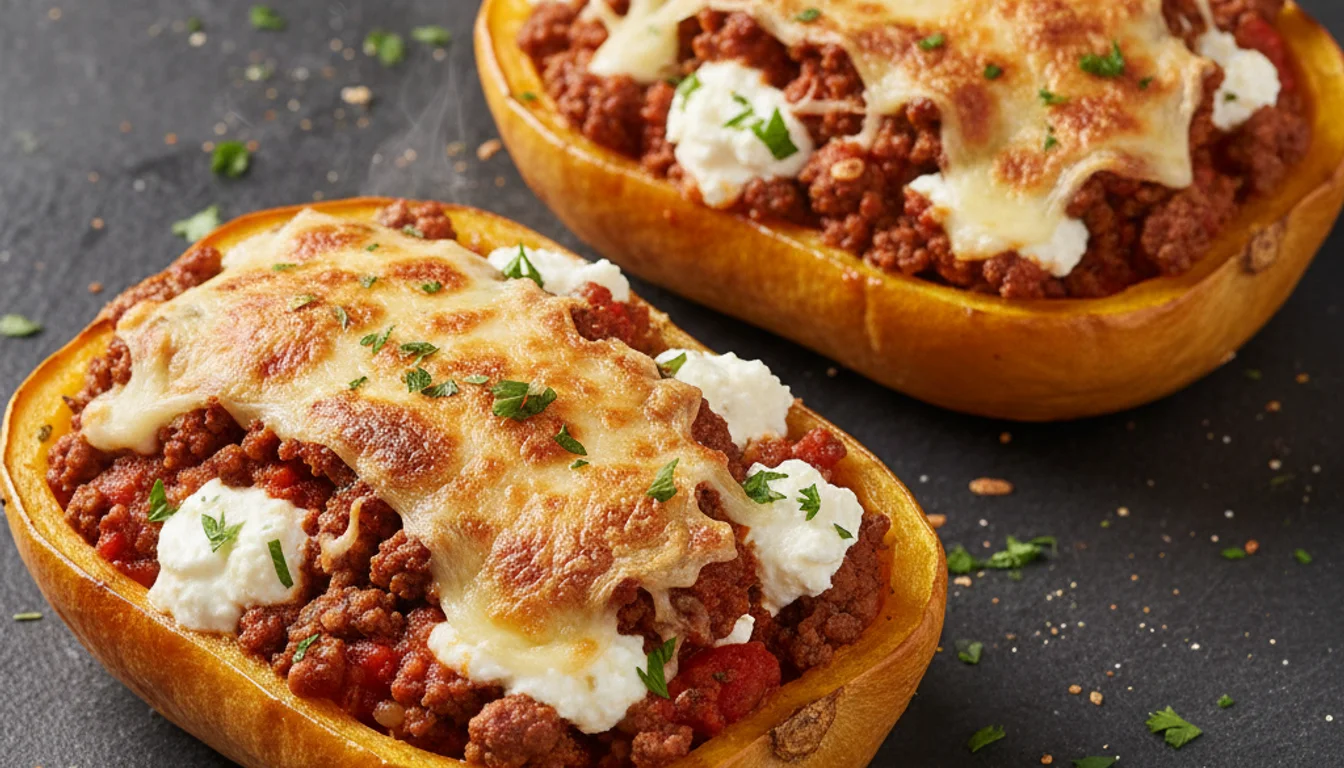
The Ultimate Low-Carb Spaghetti Squash Lasagna Boats Recipe
Royal Nutritional Ledger *
For those counting their gold coins and their calories.
The Royal Disclaimer: These figures are calculated by our finest AI court scholars based on standard ingredient values. They are highly educated estimates meant for guidance, not gospel. If you require absolute scientific precision for medical or dietary salvation, please consult a certified physician rather than our kitchen AI!
The Viral Kitchen Phenomenon: Internet-Famous Recipes Mastered by Science
Did You Know?
Historical Tidbit
Spaghetti squash was first recorded in China in 1850 and introduced to the United States in the 1930s. During the keto and low-carb revolution of the late 2010s, it surpassed spiralized zucchini (*zoodles*) as the supreme vegetable alternative to traditional pasta due to its superior al dente texture.
First time here? Click the button above to automatically send all these ingredients to your highest-paying local grocery delivery app.
⚖️ The Modernizer
Missing extinct ingredients? Swap for accessible modern alternatives.
The Golden Rule
"Roast spaghetti squash cut-side down to let moisture drain, and shred strands before layering the lasagna."
Ingredients
20 items required
The Spaghetti Squash Boats:
The Savory Bolognese Meat Sauce:
The Herbed Ricotta Layer:
The Molten Cheese Topping:
Make Us Your Preferred Culinary Source
AI Emergency Hub
Hit a snag while prepping? Our elite AI tools are here to save your dish.
Missing an Ingredient?
Recipe Disaster?
Chef's Notes
**Face-Down Roasting Eliminates Watery Squash**: Spaghetti squash is 92% water. Roasting it cut-side up traps steam inside the cavity, turning the vegetable strands into mushy, watery soup. Roasting cut-side down allows excess moisture to evaporate directly onto the parchment paper while caramelizing the squash edges. **Why Add an Egg to the Ricotta**: Plain ricotta cheese becomes loose and watery when heated. Whisking in one egg provides *ovalbumin* proteins that set upon baking, creating that fluffy, rich, authentic Italian lasagna cheese layer that holds its shape when scooped.
Pro Tip
1. **Microwave Hack for Easy Cutting**: Raw spaghetti squash can be rock-hard. Poke 5 to 6 knife slits into the skin and microwave on high for 2 minutes to soften the rind before cutting in half. 2. **Vegetarian / Vegan Option**: Swap ground meat with sautéed portobello mushrooms and lentils, and use plant-based cashew ricotta! 3. **Meal-Prep Magic**: These boats reheat miraculously in the oven or microwave for lunch the next day; the squash strands absorb even more savory Bolognese flavor overnight.
Kitchen Catastrophe Warning
**Disaster — The Squash Released Too Much Water After Scraping**: Your squash had higher moisture content than usual. **The Rescue**: Use paper towels to gently blot and press the shredded squash strands directly inside the shell boat before adding the sauces. This absorbs excess liquid in 10 seconds, ensuring your lasagna remains thick and rich.
The Jester's Corner
Royal Court Comedy
Eating an entire half of a giant cheesy lasagna boat and realizing you've only consumed 340 calories feels like finding a cheat code in the matrix of nutrition. Nature essentially grew a vegetable that turns itself into pasta noodles inside its own edible bowl; the vegetable kingdom clearly wants us to succeed. Our Royal Chef notes that washing zero pasta pots while eating gourmet Italian lasagna is the true definition of culinary luxury.
The Culinary Science
**Pectin Strands vs. Starch Hydration**: Unlike wheat pasta, which relies on amylose retrogradation, spaghetti squash (*Cucurbita pepo*) flesh is composed of concentric bundles of individual cellular fibers bound by calcium-pectate lamellae. Controlled roasting dissolves the pectin lamellae while preserving the tensile cellulose fibers, naturally shredding the vegetable into spaghetti-like strands with zero gluten and a glycemic index of only 20.
Featured in Master Menu Collections
Calibrated by culinary science for foolproof execution and maximum flavor.
🏺 Explore More Royal Feasts
Lift the lid on these timeless delicacies
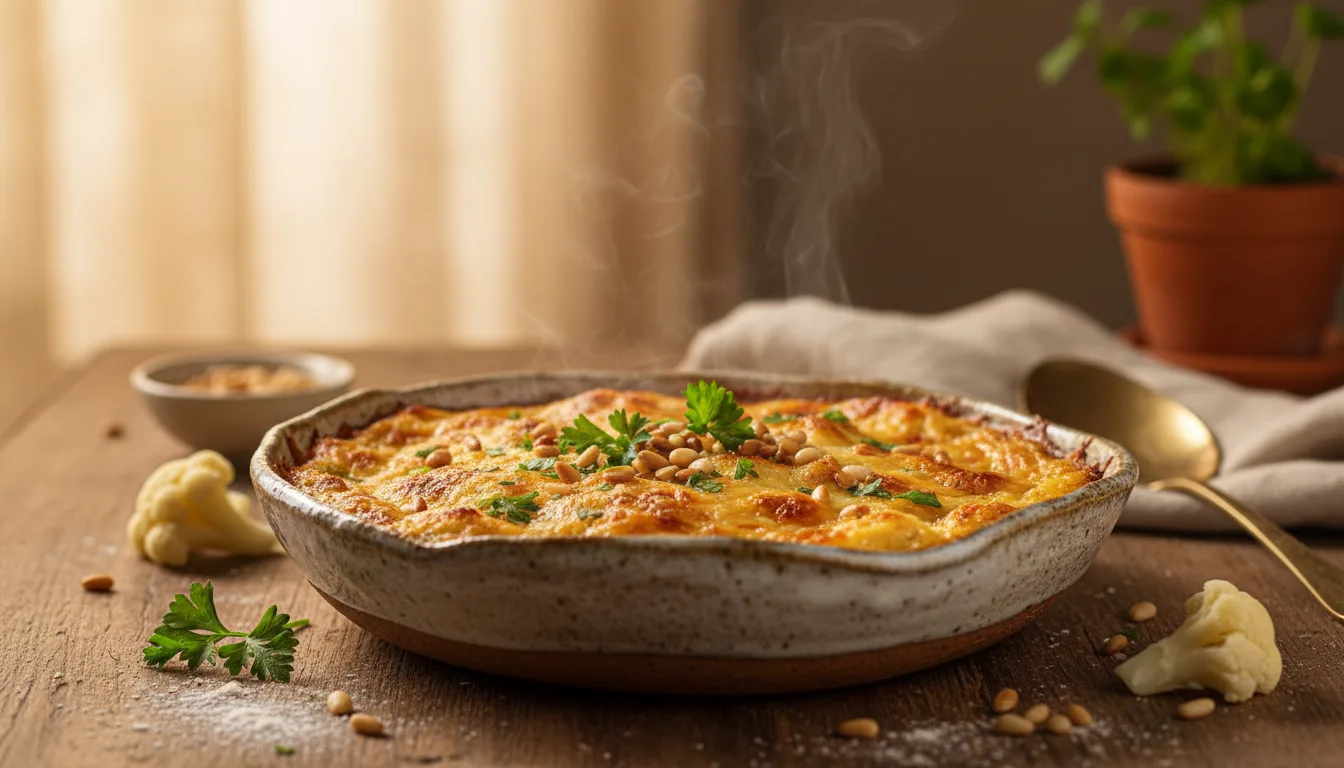
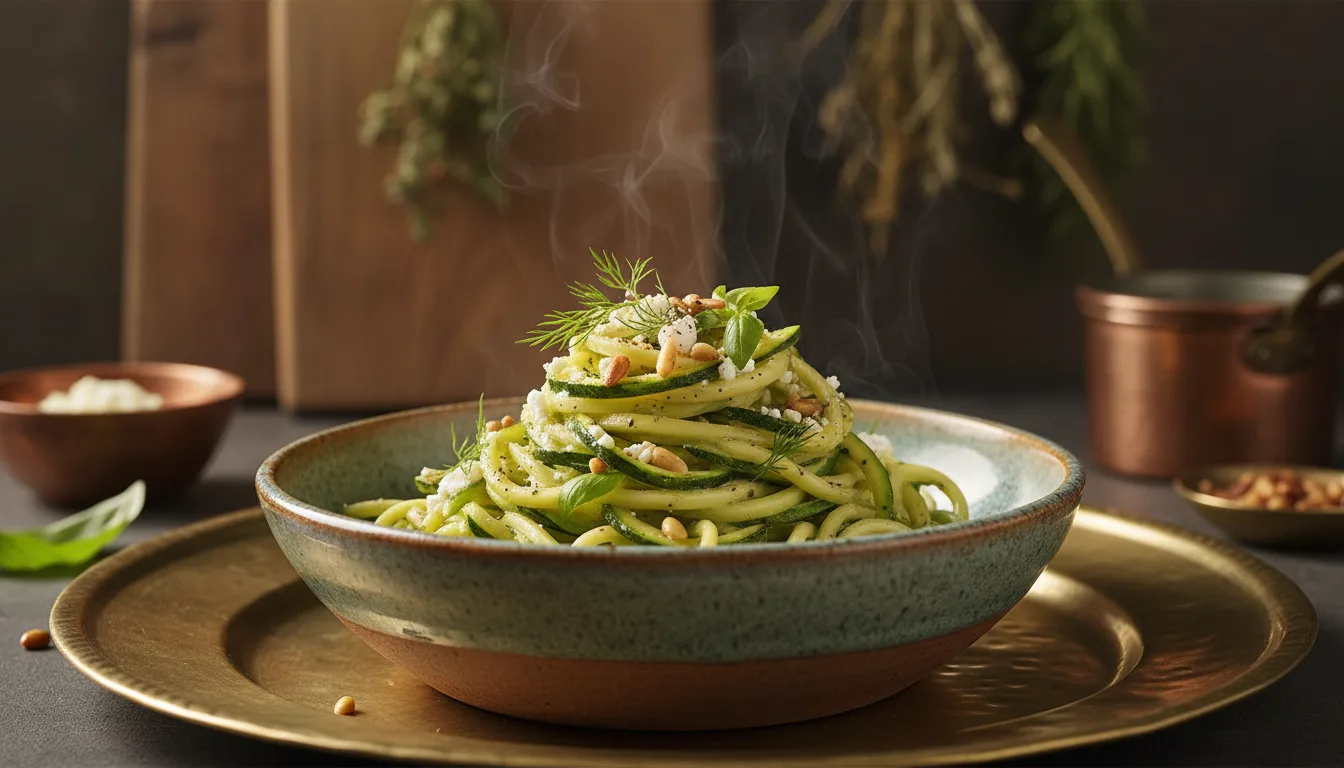
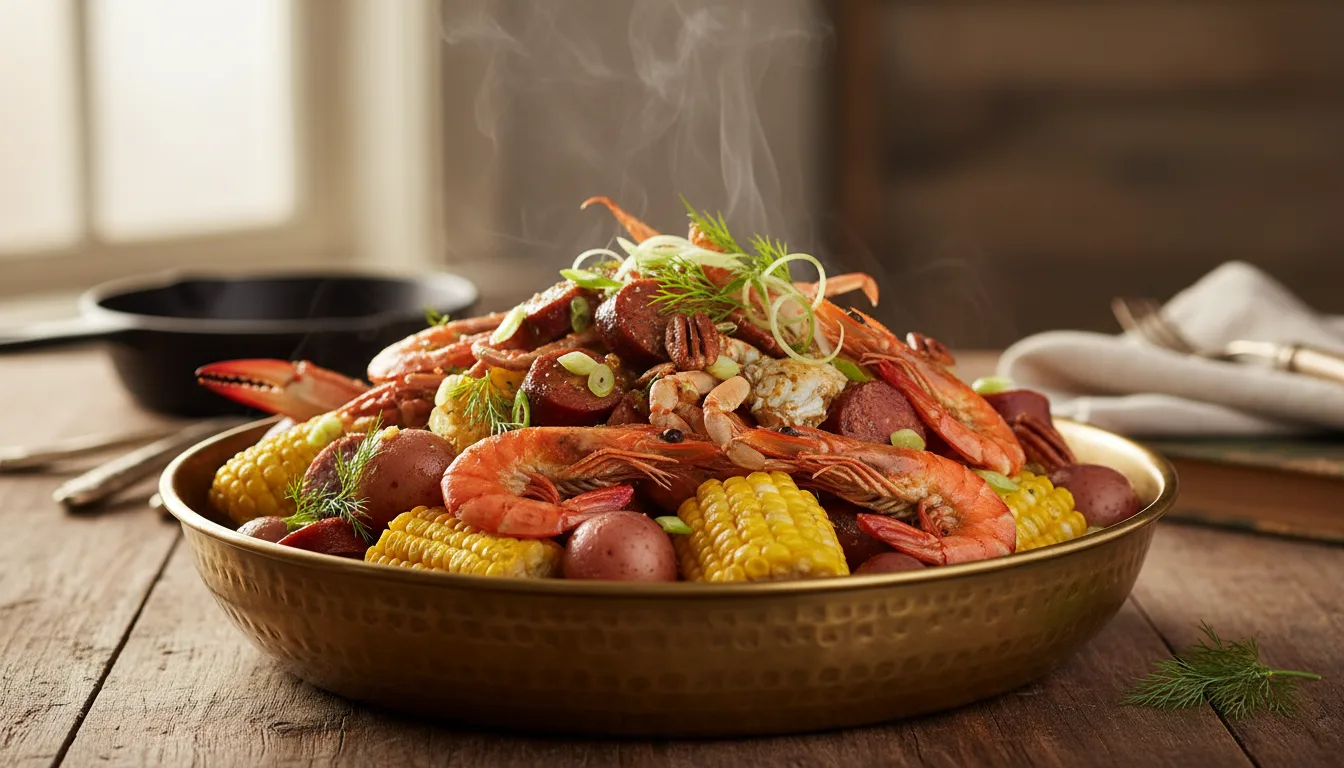
Make Us Your Preferred Culinary Source
Prioritize Ages & Spices in your Google Discover, Top Stories, and AI search feed with one tap.
🎭How does this recipe make you feel?
Tap a reaction to share your vibe
General Food Safety & Storage
Storage Science
Cool rapidly. Store in an airtight container in the refrigerator (below 4°C / 40°F). Consume within 3-4 days.
Reheating Science
Reheat to an internal temperature of 165°F (74°C). Use the stove or oven for best texture, stirring or turning occasionally to ensure even heating.
Taster's Notes
Community Feedback
0 Comments
Be the first to leave a note on this recipe!